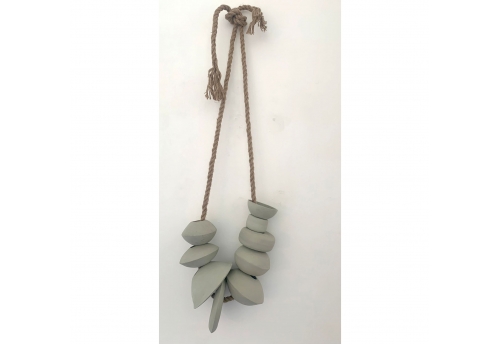
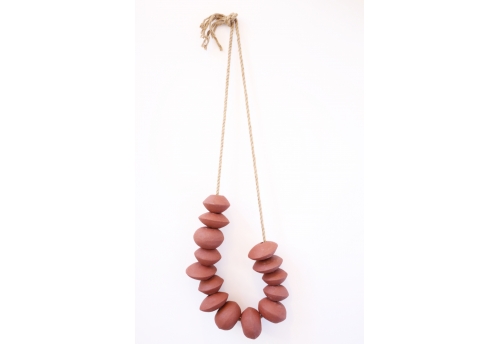
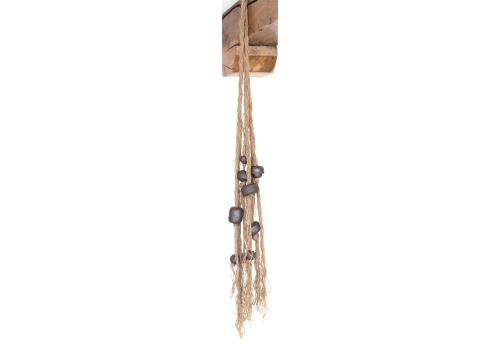
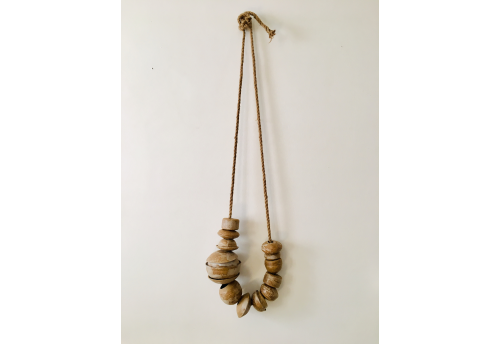
“The earth—I love to lose myself in it.” The ambivalence of Lili Delaroque’s works lies right there. Works made of earth that evoke the sea. “Earth is the beginning of the story,” the artist adds, for whom this “powerful encounter with the material” is experienced as “a letting go and a presence in the world unlike any other.” For the quintessence of ceramics rests in this return to origins—to nature, to childhood, and thus to the past. A return to ancestral know-how, a tribute to craftsmanship, “to the beautiful object that never dies.”
From this tumultuous landscape there often emerges an oceanic feeling of serenity and fullness. “I want my installations to take place in spaces in order to bring a sense of calm, of serenity. I like this idea of delicate objects that suspend time and soothe.”
While the relationship to nature is unmistakable in her work, Lili Delaroque transcends it by bringing in a refinement and spirituality inspired by Japanese culture. A multifaceted artist who has worked in photography, film, and painting, she seems to have found her path: that of an art “far removed from the noise of the world and its anxiety-inducing modernity.” An art in which the works constitute “an invitation to a true journey—the kind that is inward, dreamlike, and maritime.”
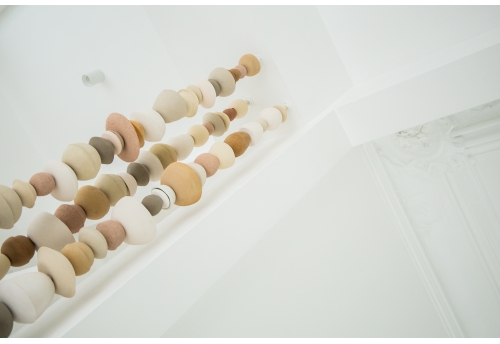
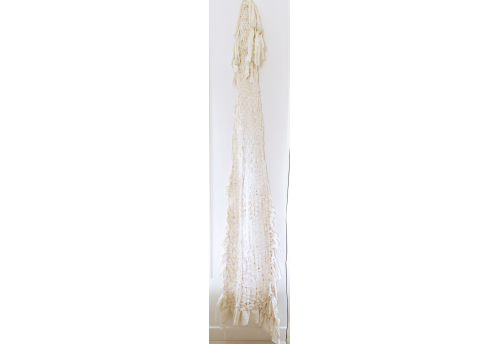
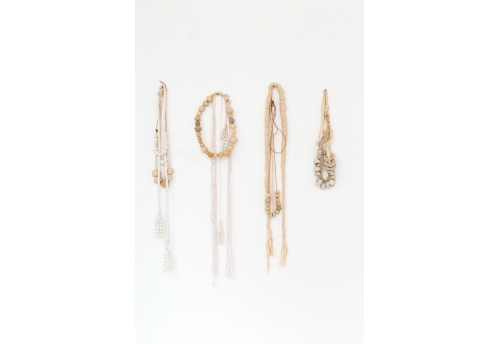
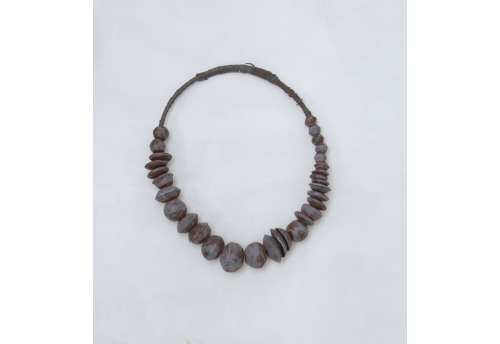
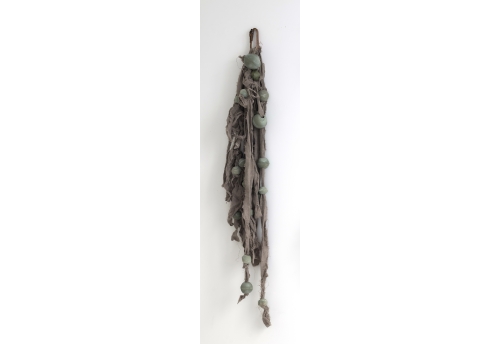
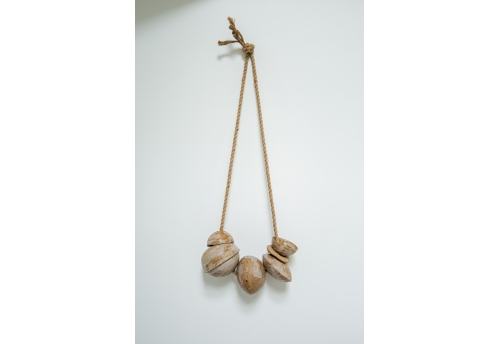
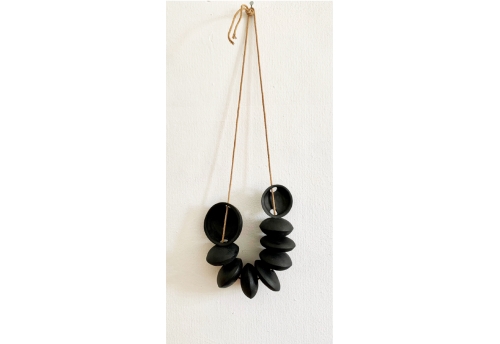
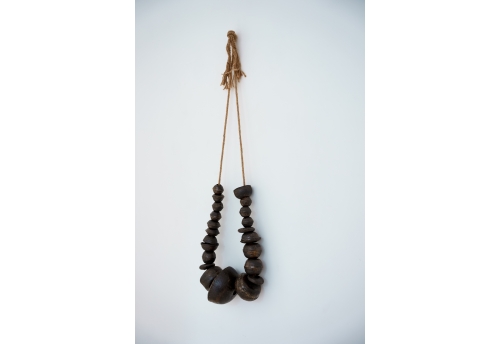
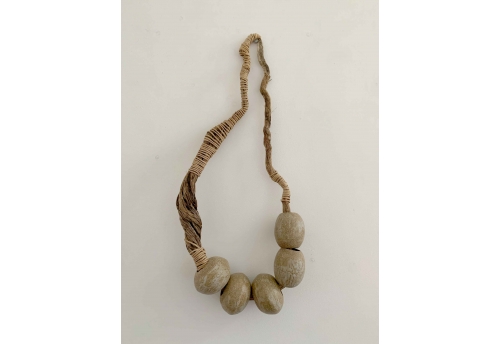
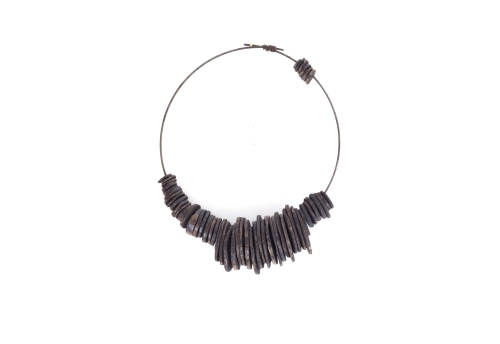
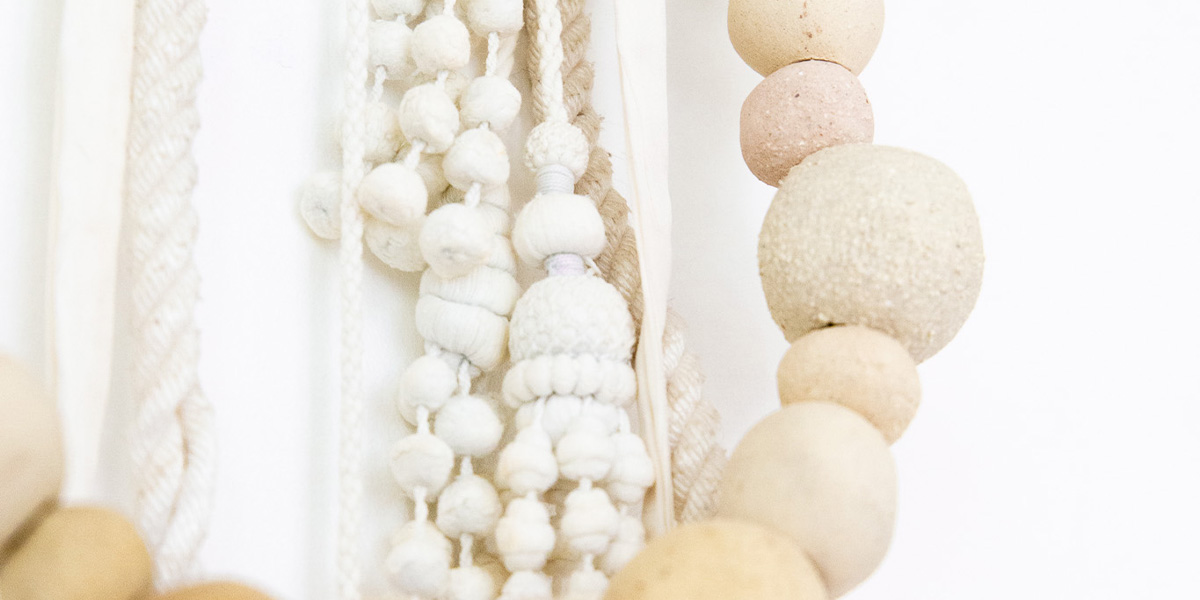
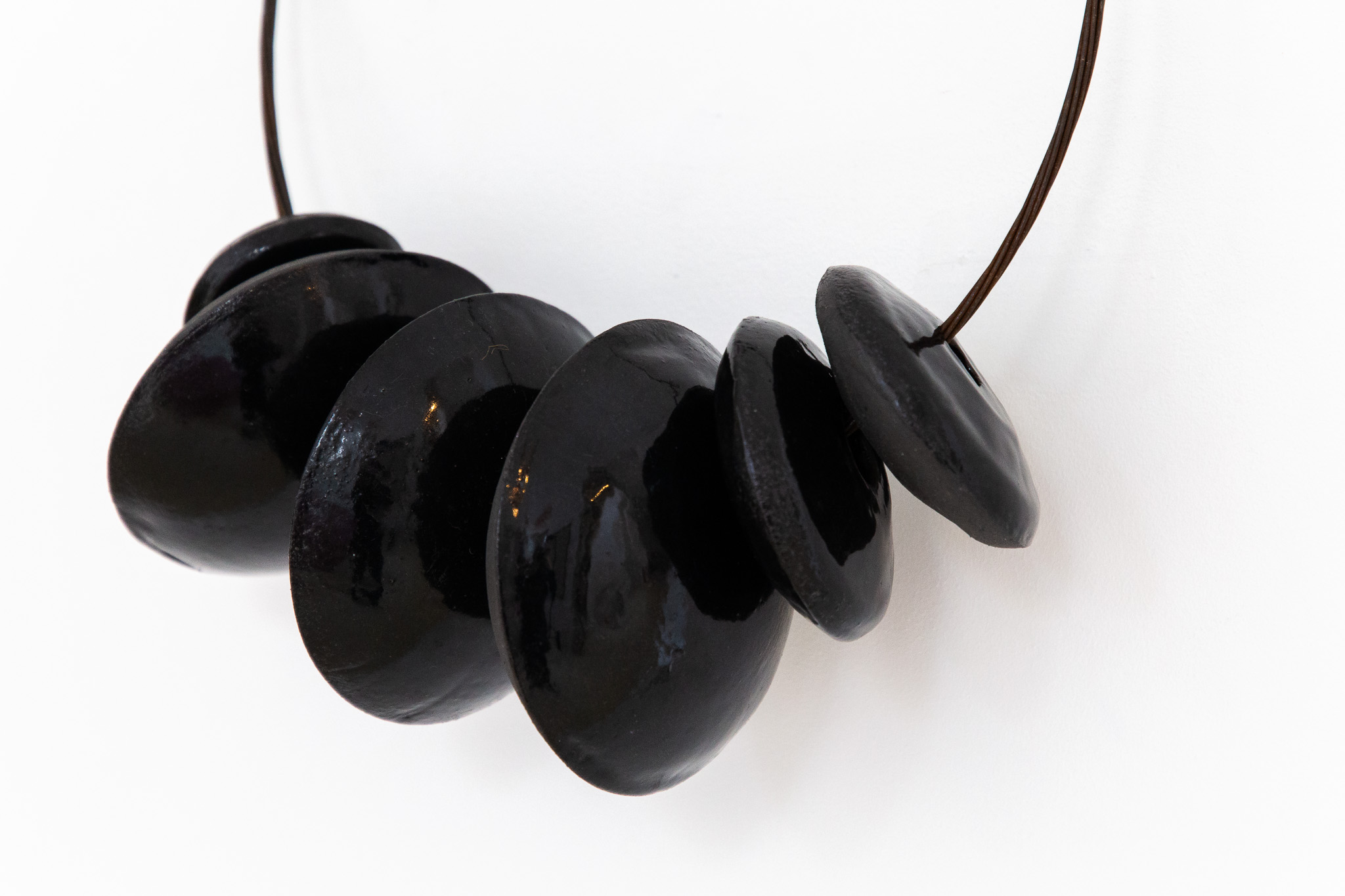
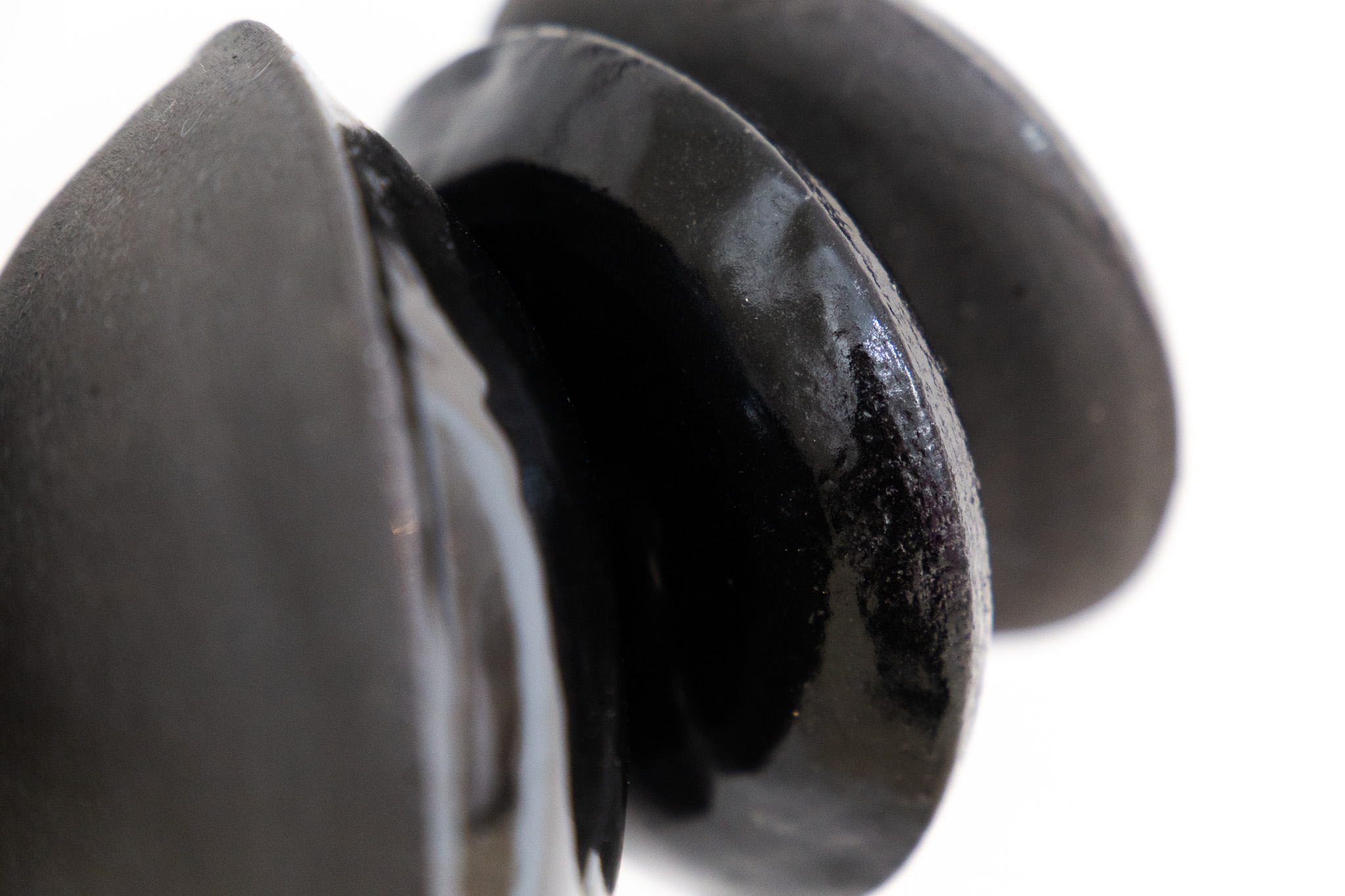
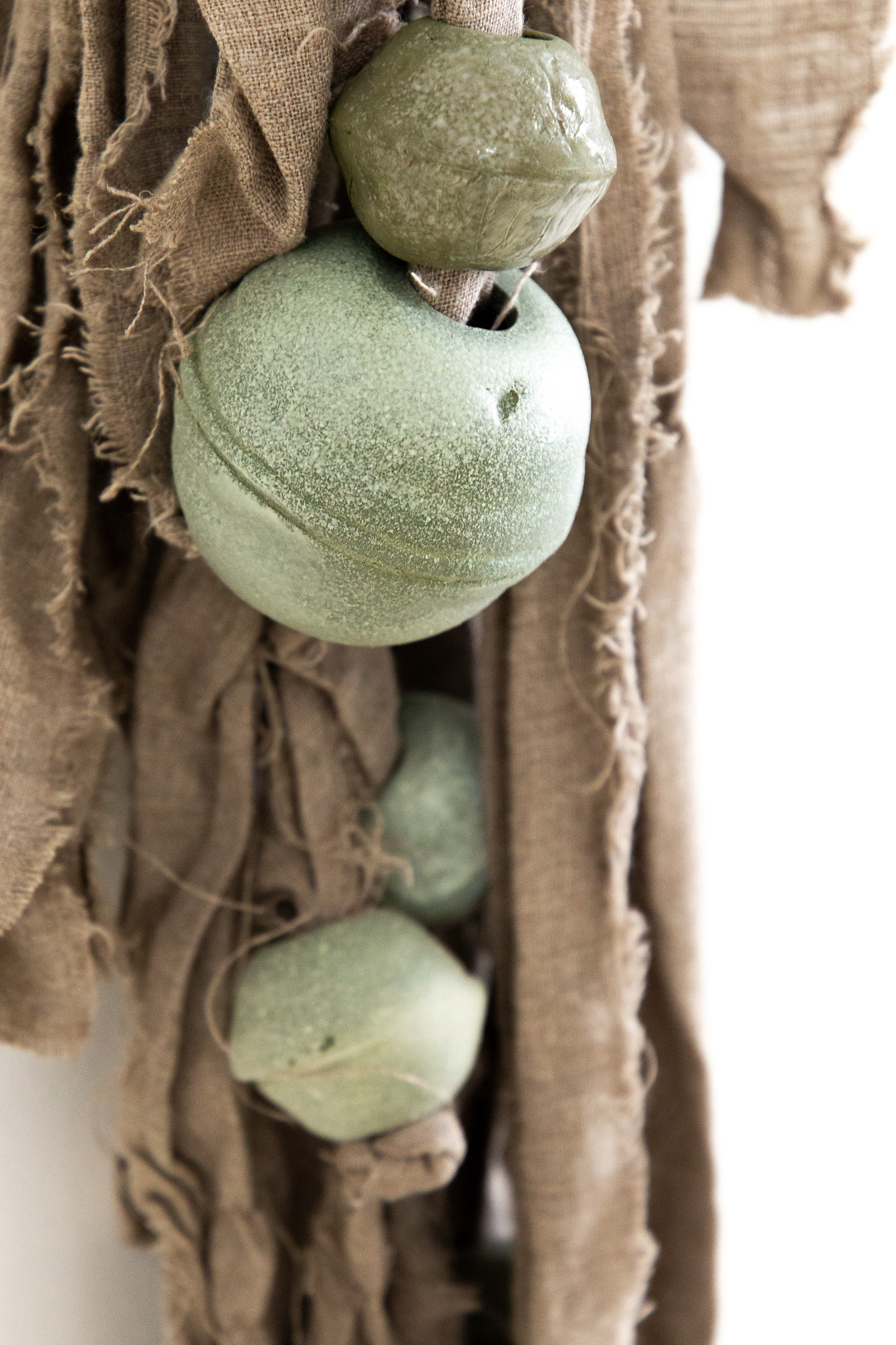
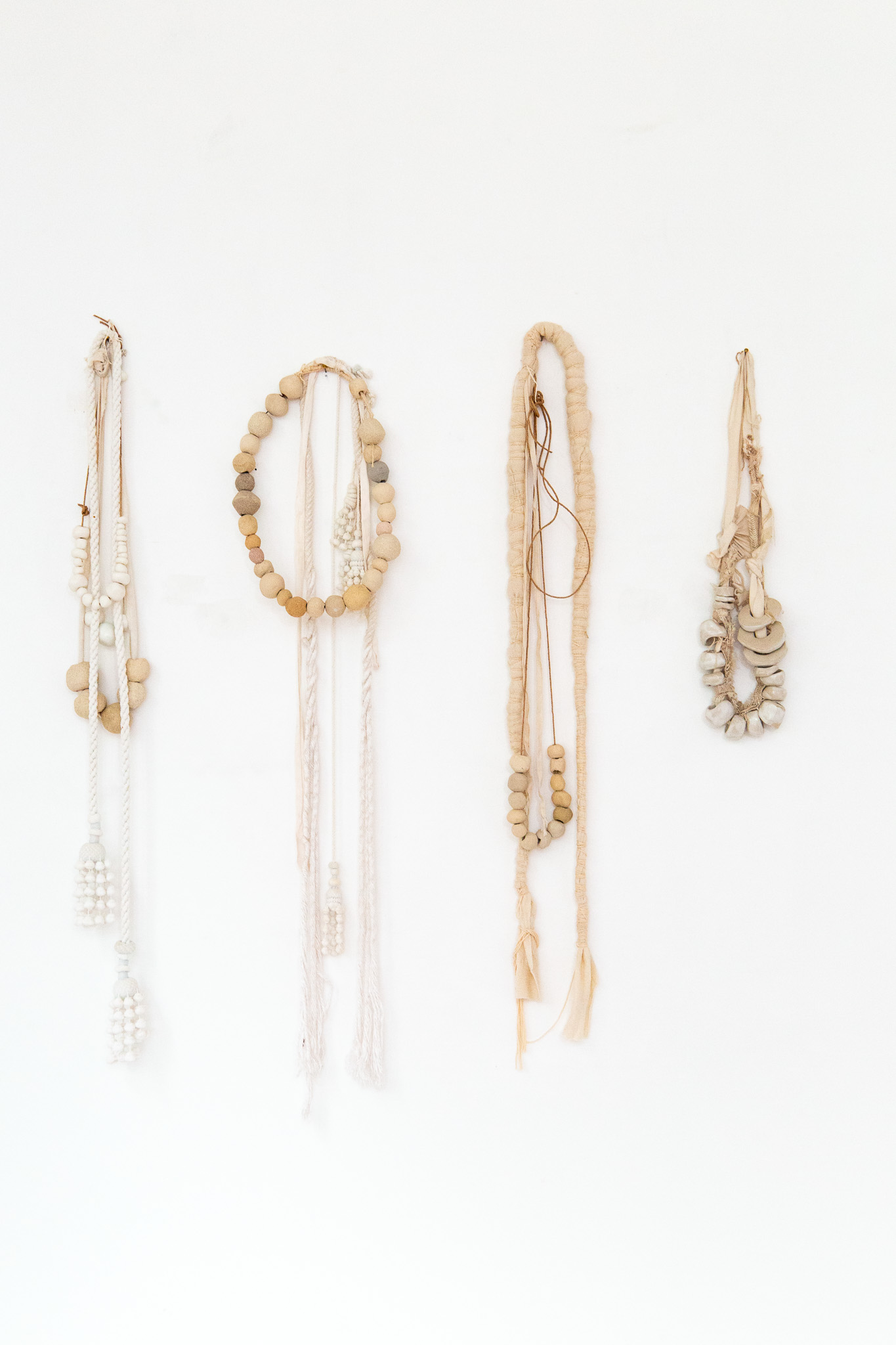
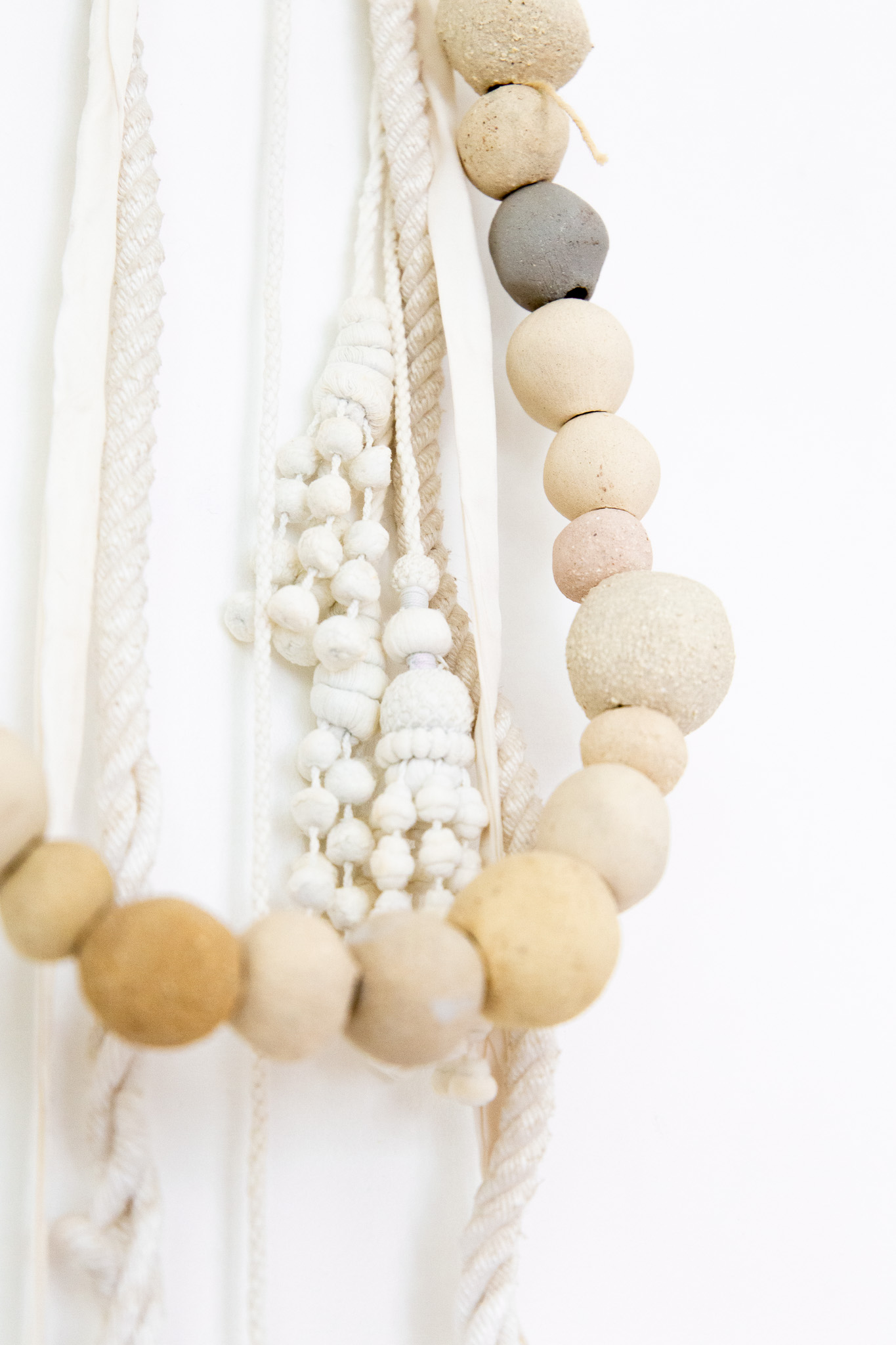
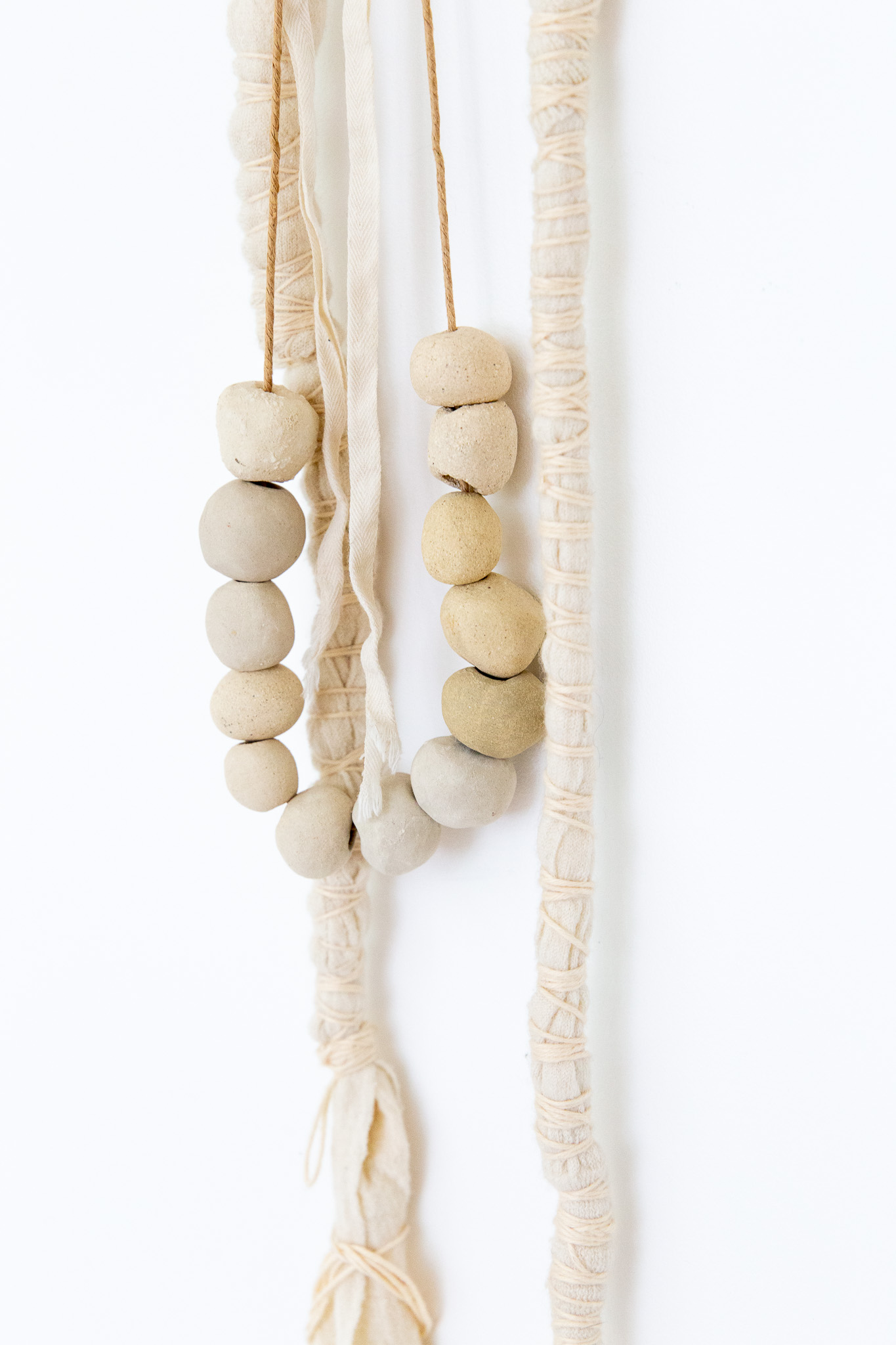
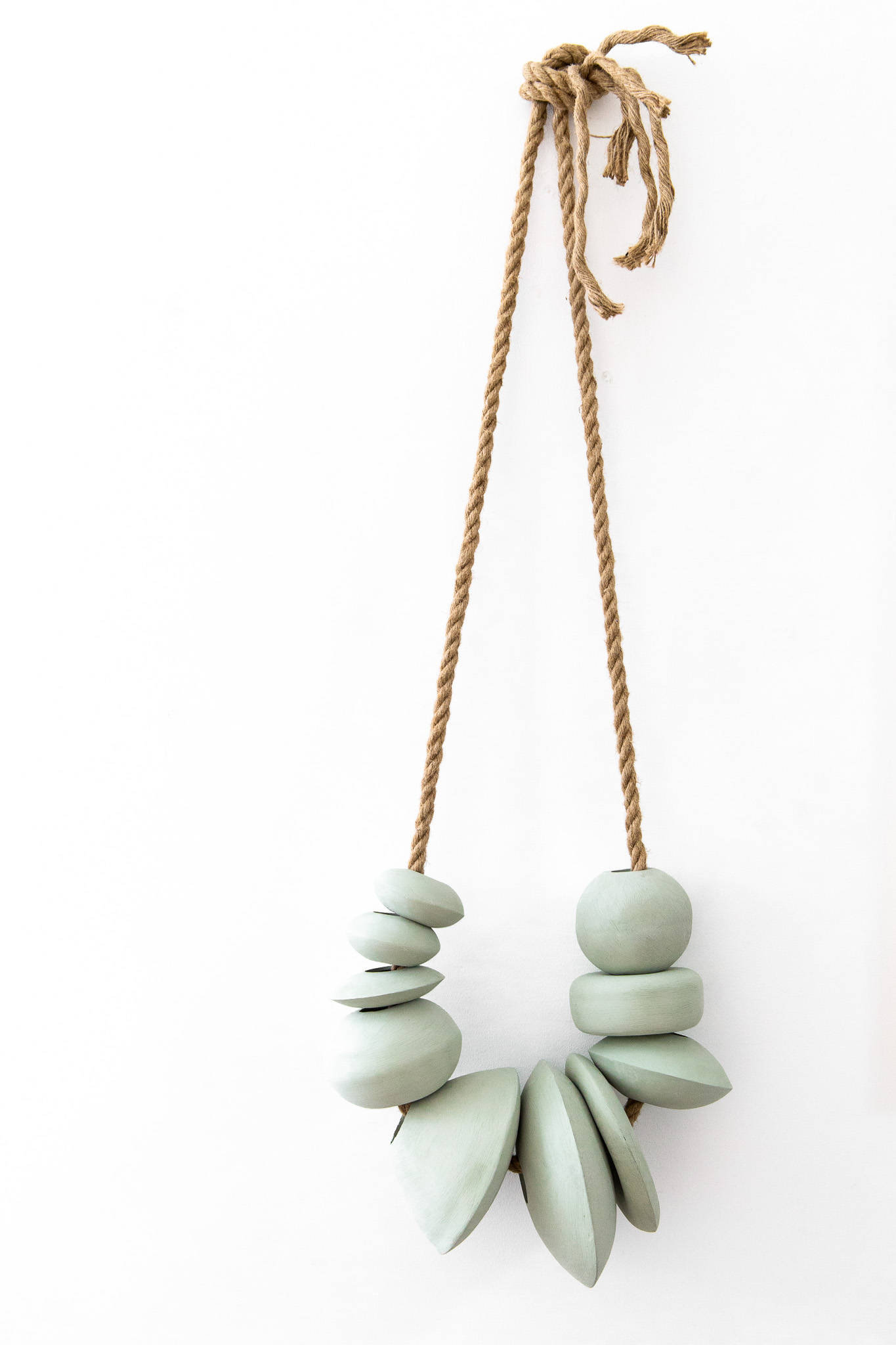
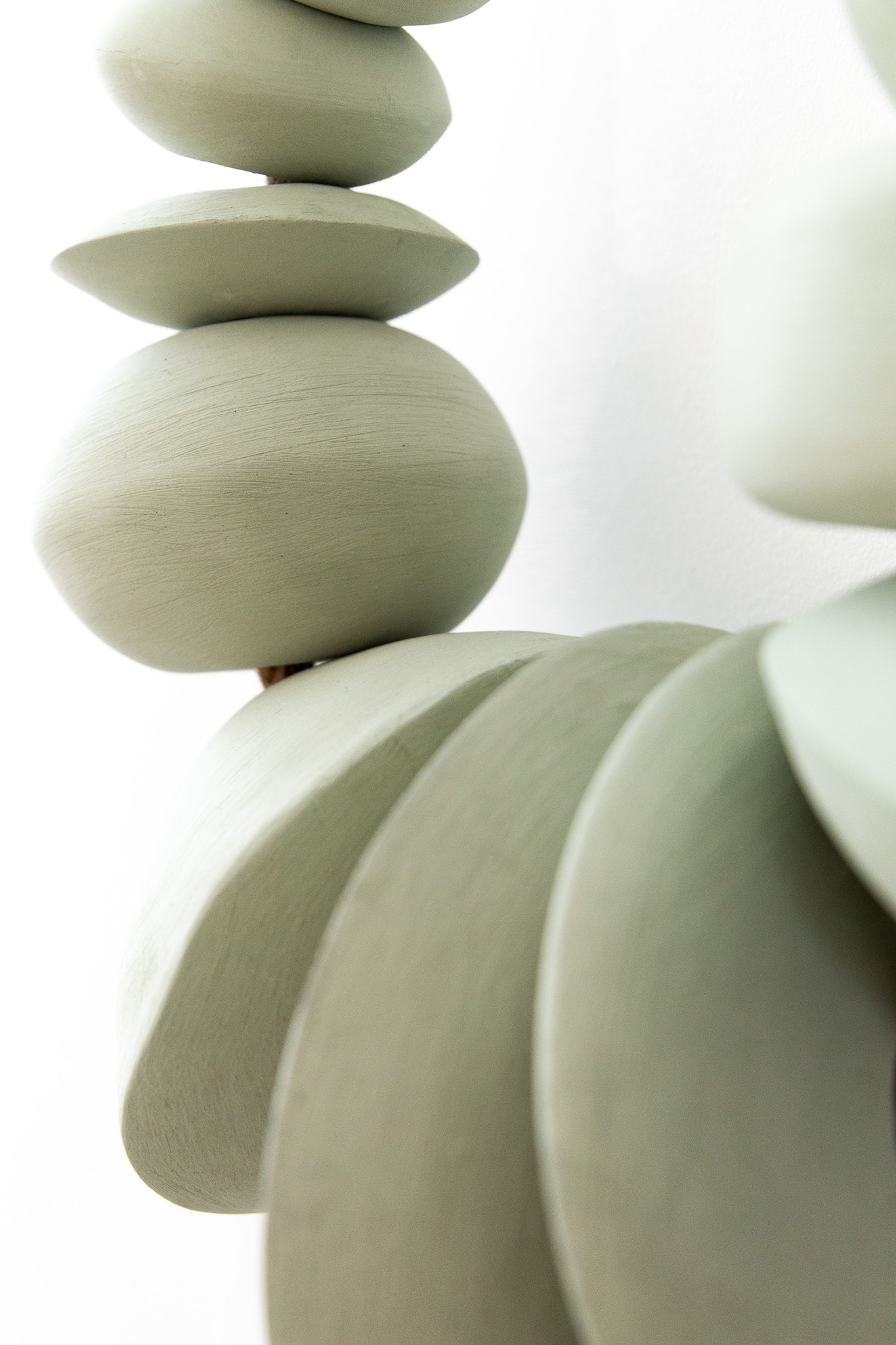
Into the clay, only her hands plunge, but her whole being drowns. The catch is often good. For Lili Delaroque draws up in her nets pearls by the thousand. Pale or brown, sand- or seaweed-colored, these matte ceramic corollas seem to have come from the depths of the sea. Each has its fragile shape, its smooth curves, as if polished by the backwash—perfectly imperfect. She embraces accident: alive, her raw material pushes back—docile when she is at peace, rebellious when her mind wanders and her gestures grow clumsy. So she strives to maintain balance, that inner peace without which nothing happens.
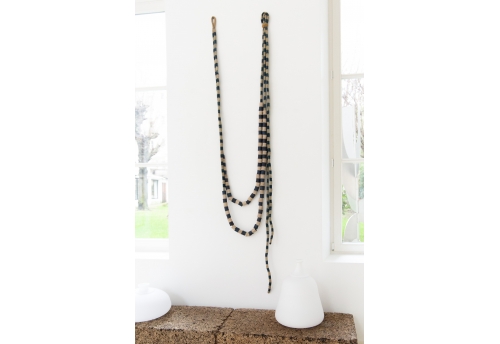
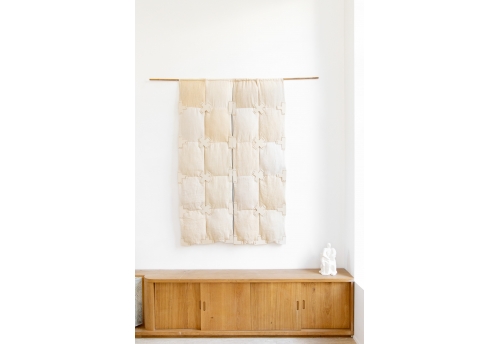
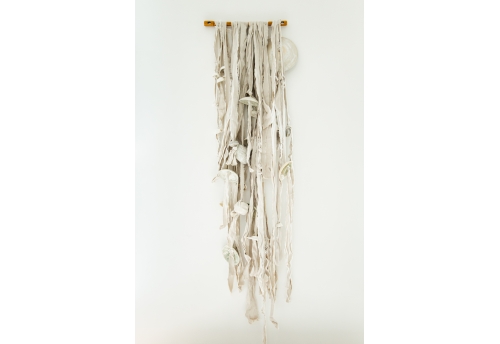
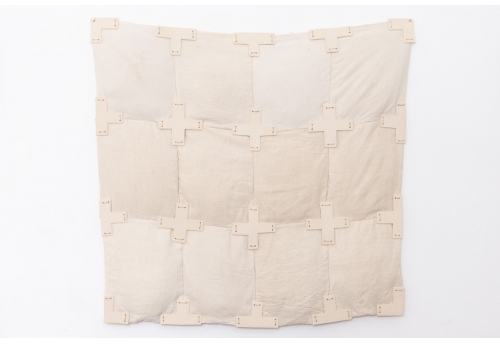
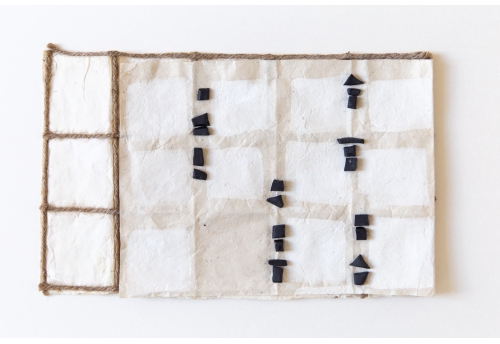
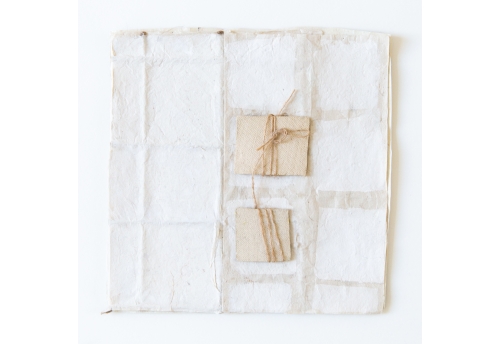
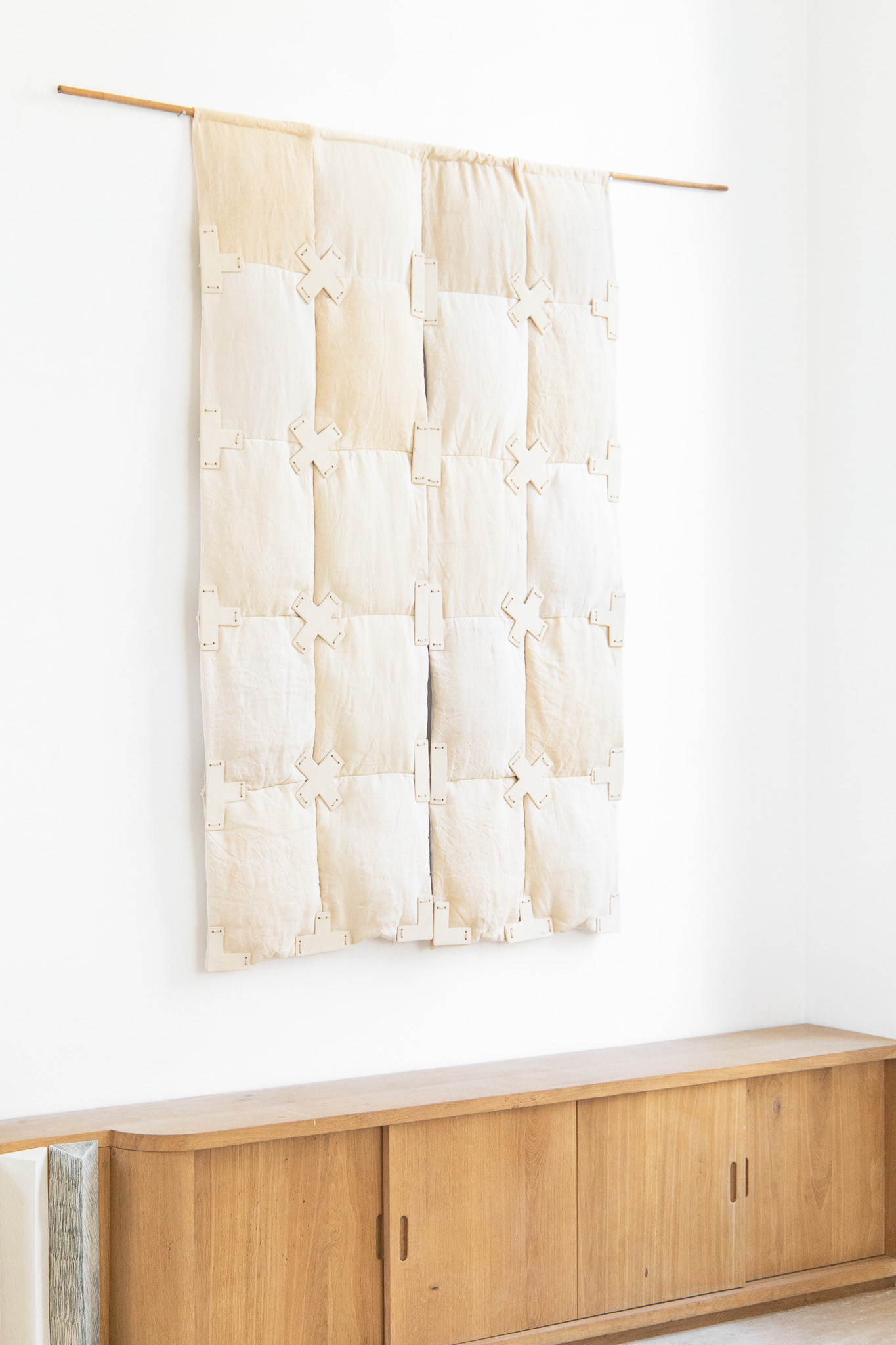
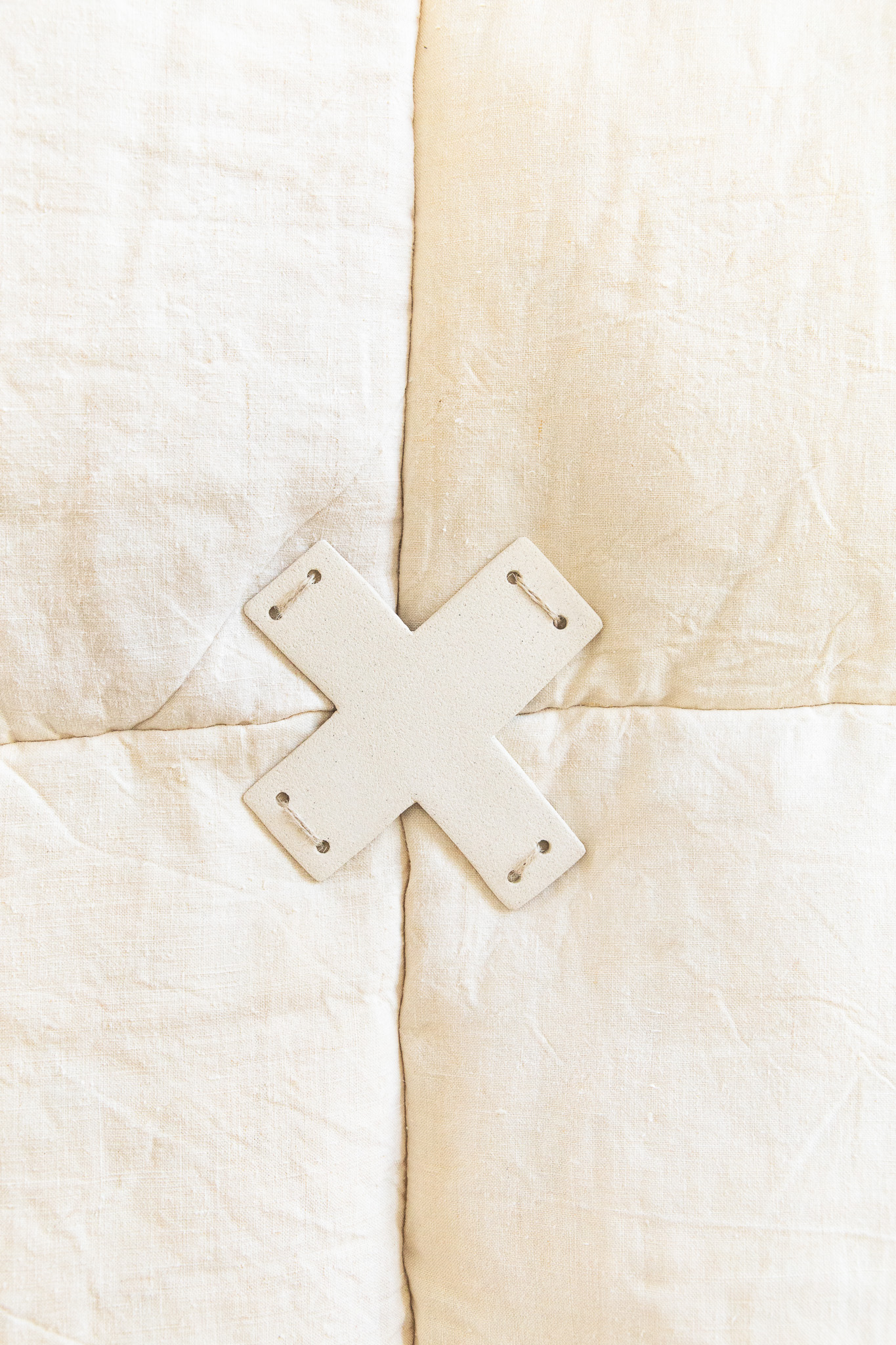
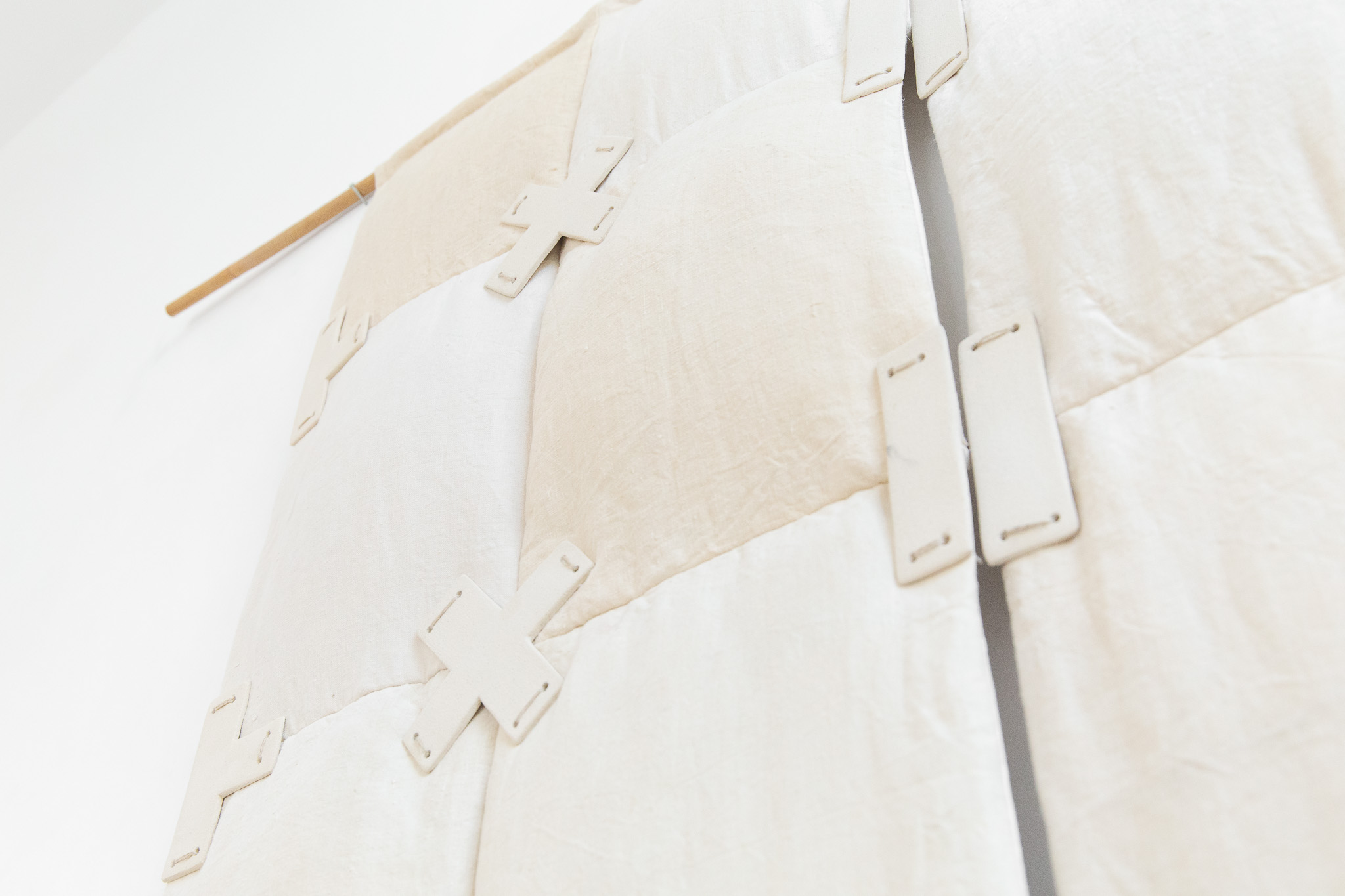
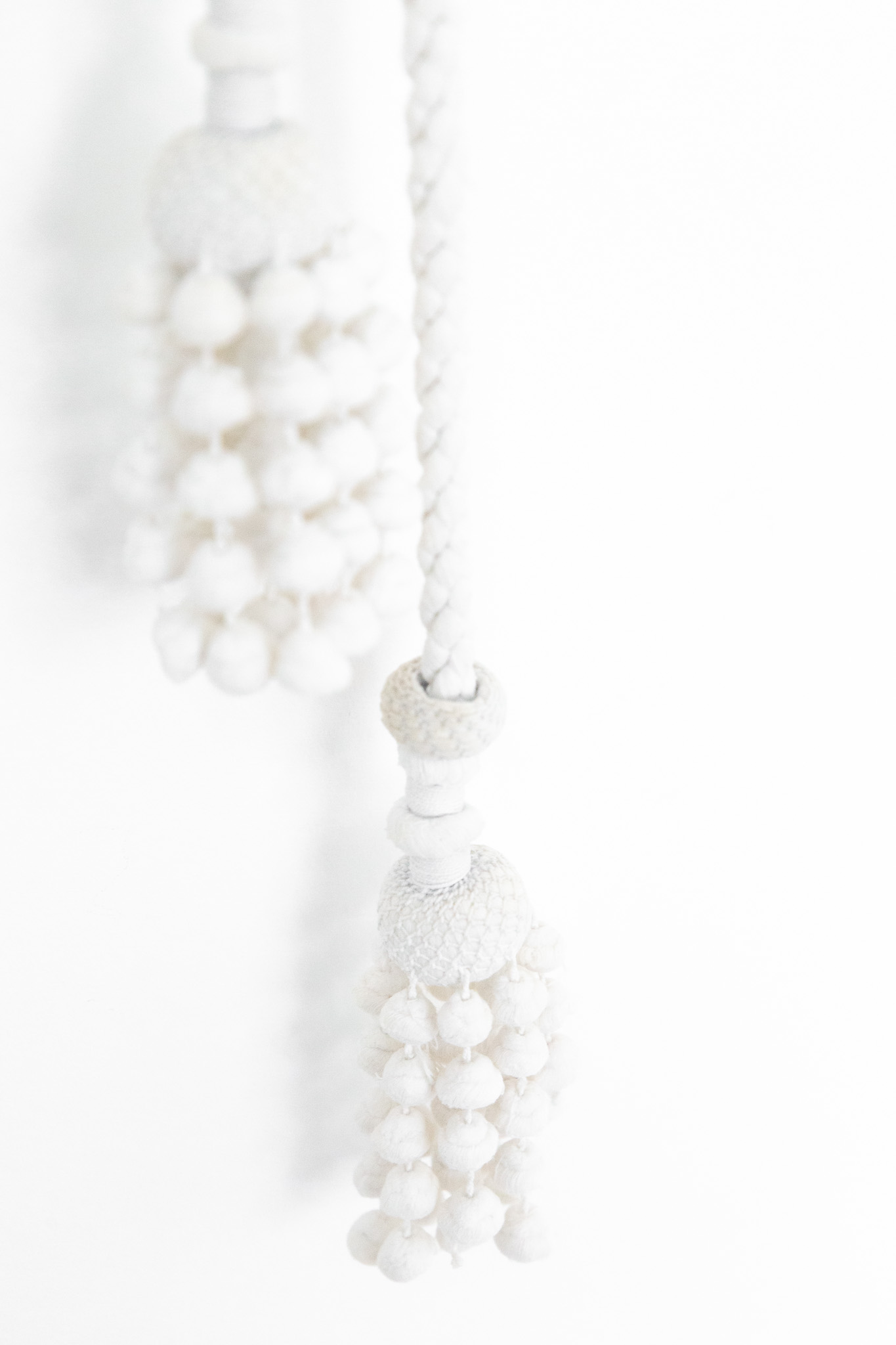
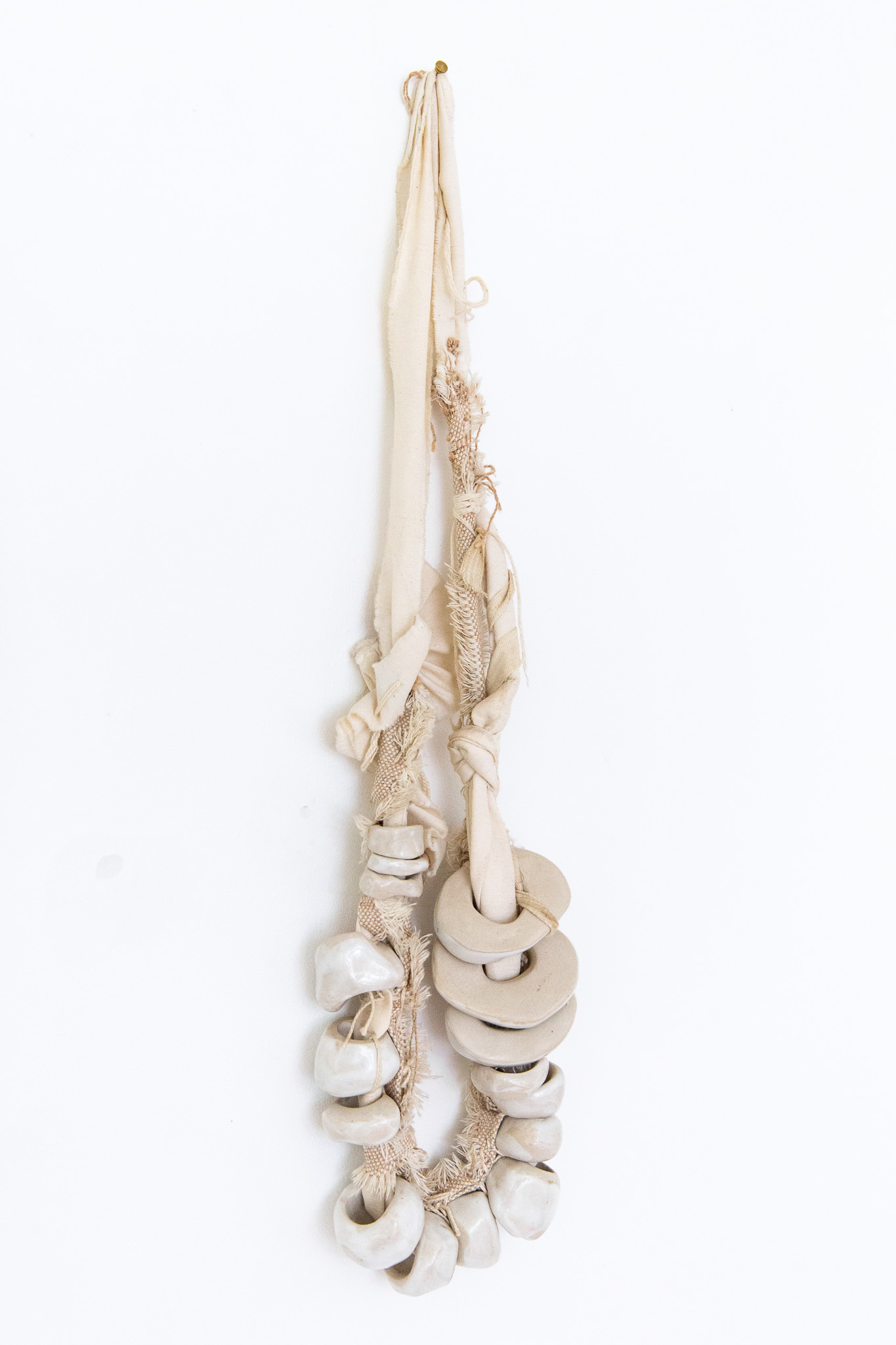
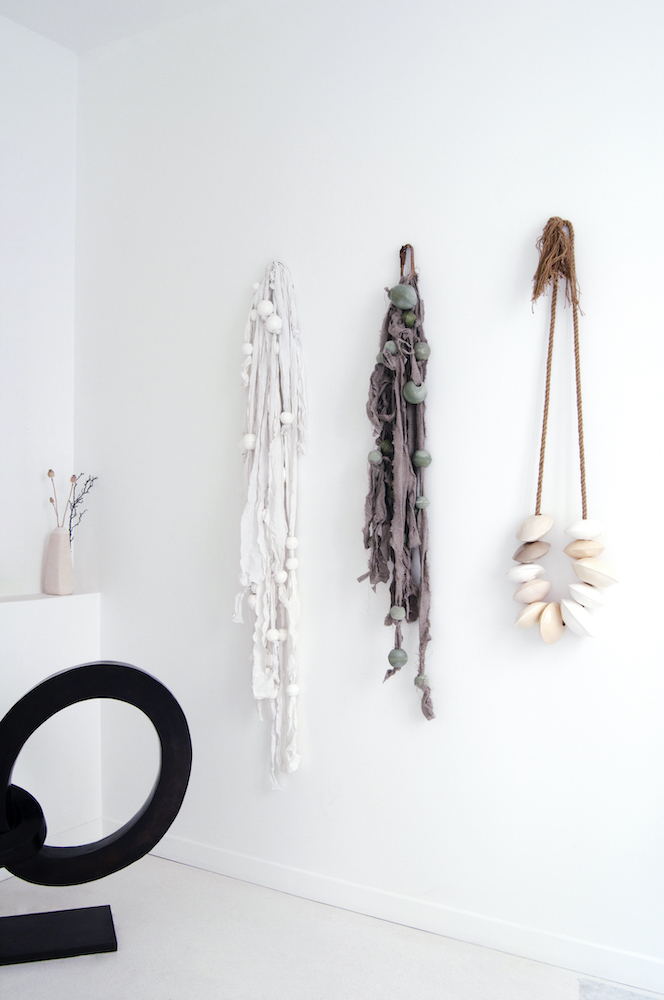
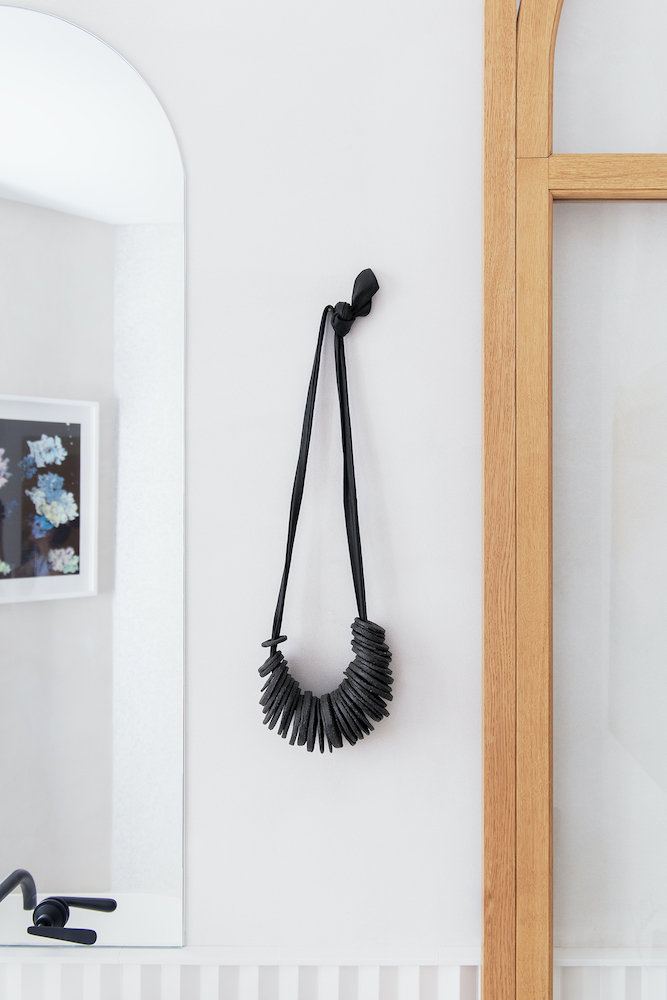
Devoted to Japan, a long-standing passion that has never faded, she says she “honors” the clay, watching it rise and dry before threading it onto hemp strings, rusted metal, old linens—any number of found, natural, humble objects. Such as that Japanese rope streaked with beige stoneware and cobalt blue, twisted on the wall like a snake’s slough. Or that makeshift noren, fashioned from worn cushions—cream-colored “pucks” puffed up with a palette knife, linked together by “pluses,” profane crosses stitched at regular intervals. Traps or necklaces, these antiquities cultivate the art of the hand—an insular, nourishing art, that of origins. And they invite an immobile journey, memories of some ritual, foretastes of a possible departure.
Virginie Huet