



Interventions
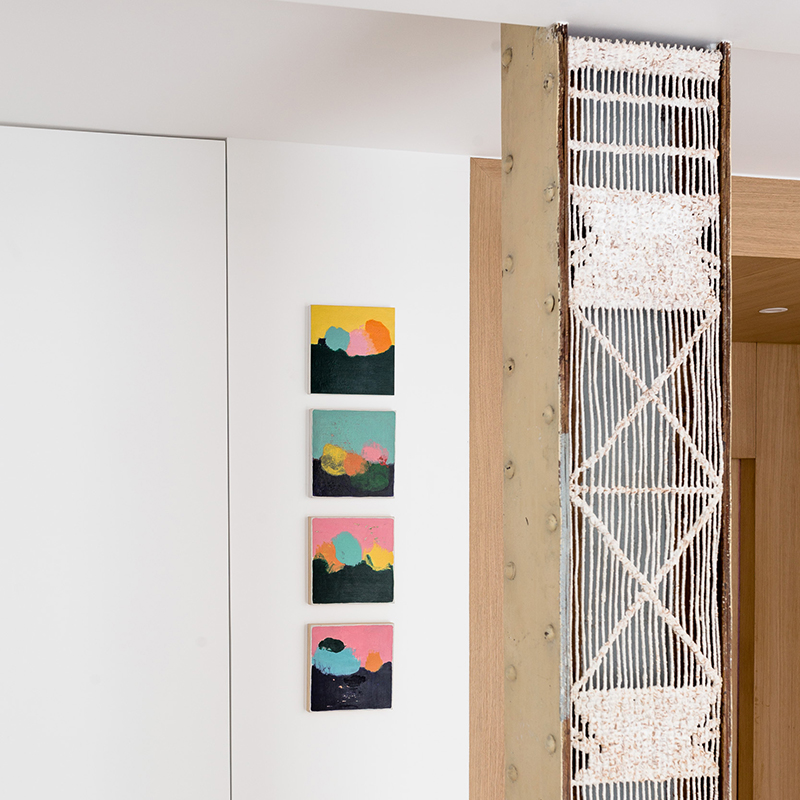
Nadine Altmayer
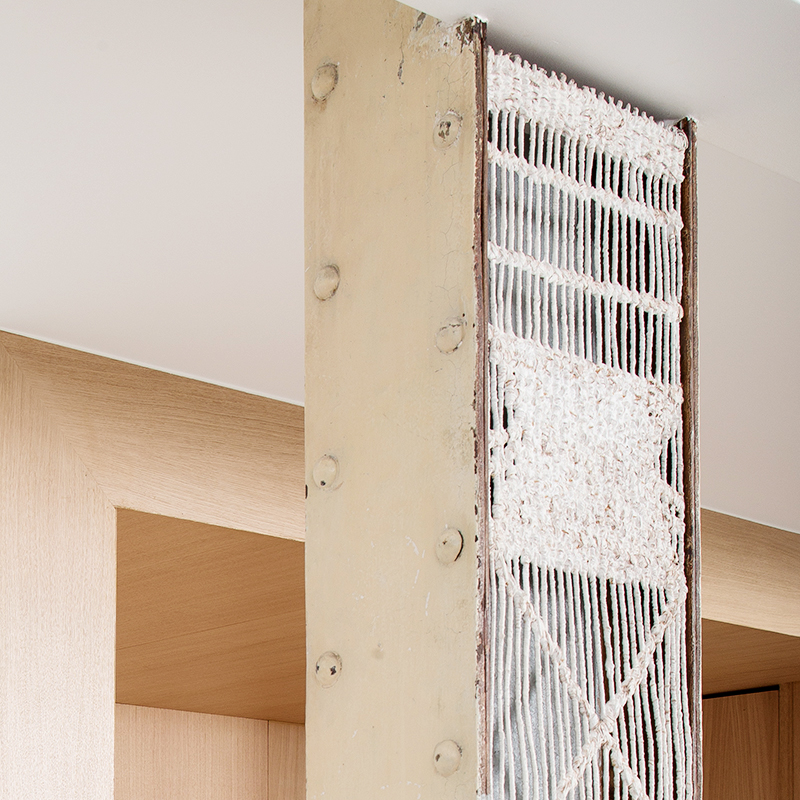
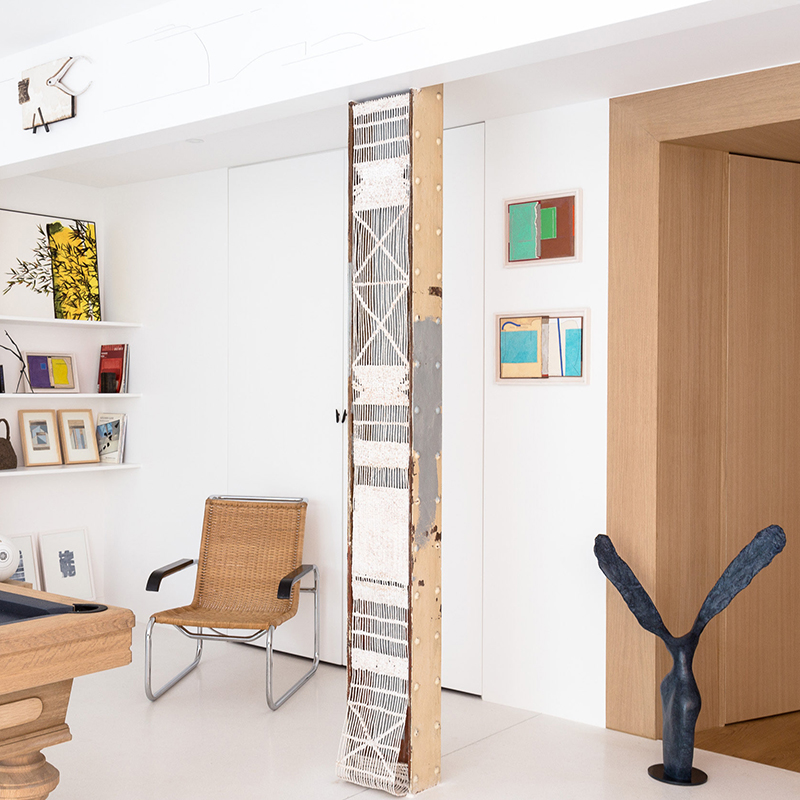
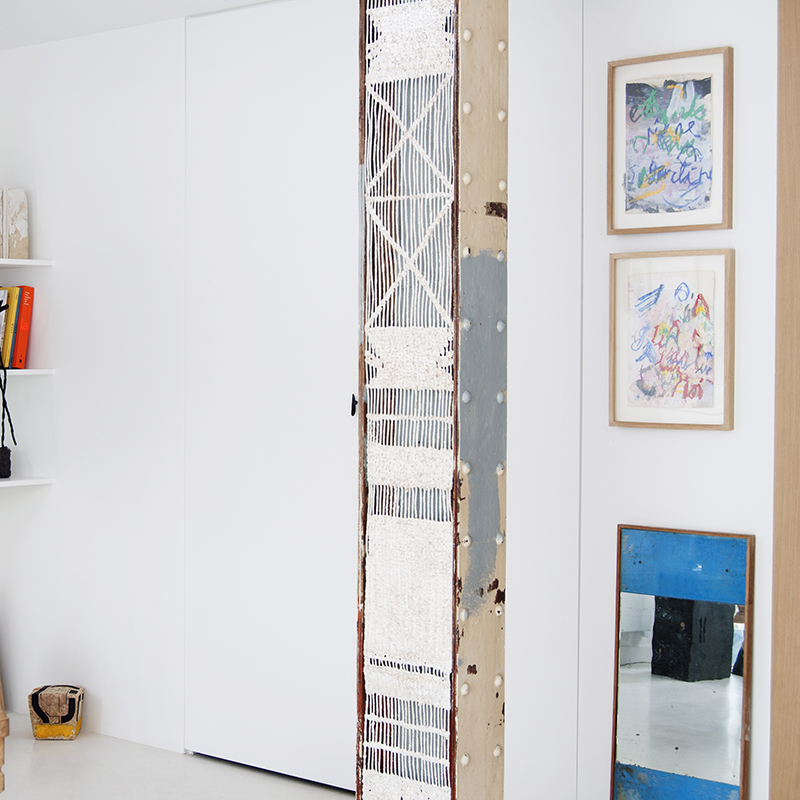
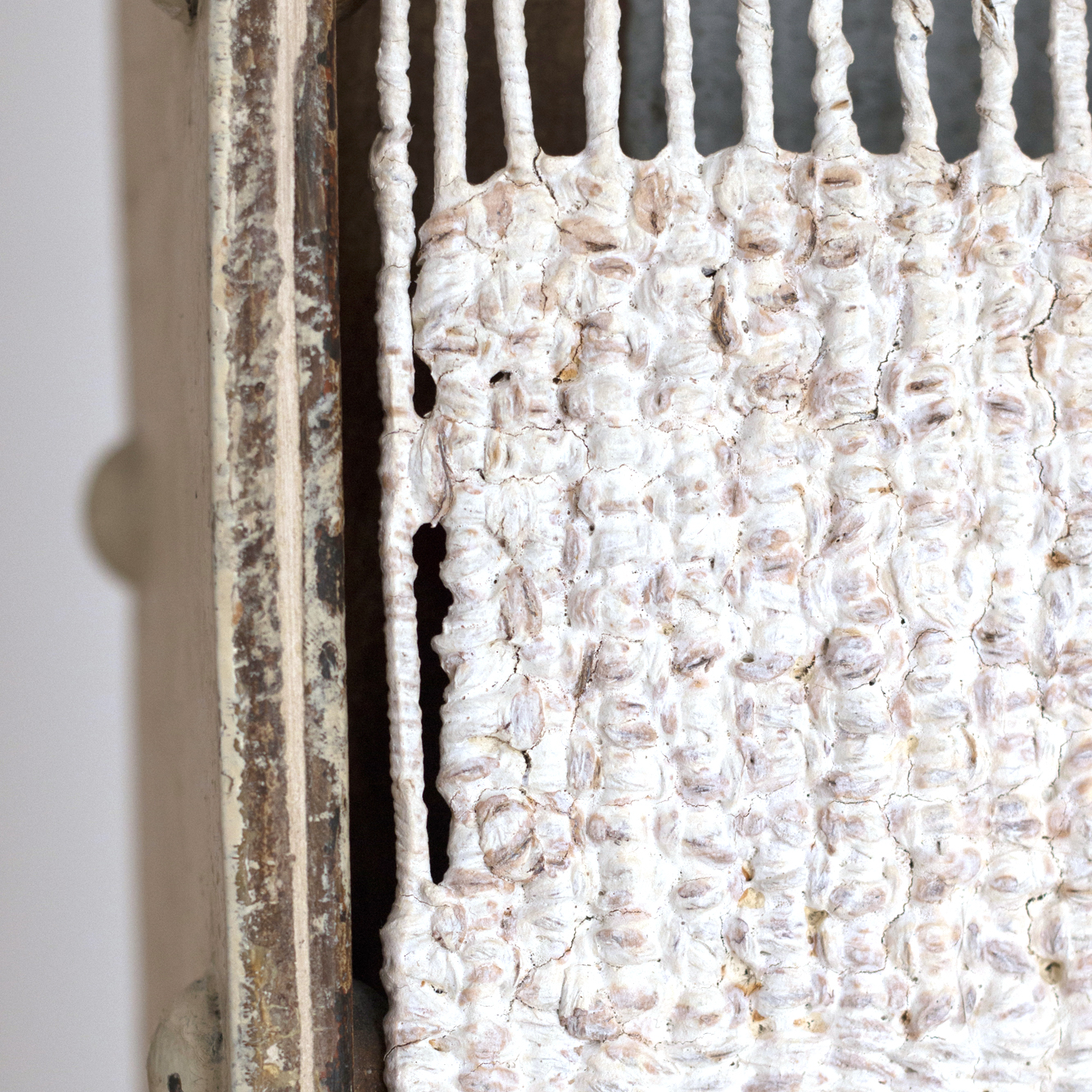
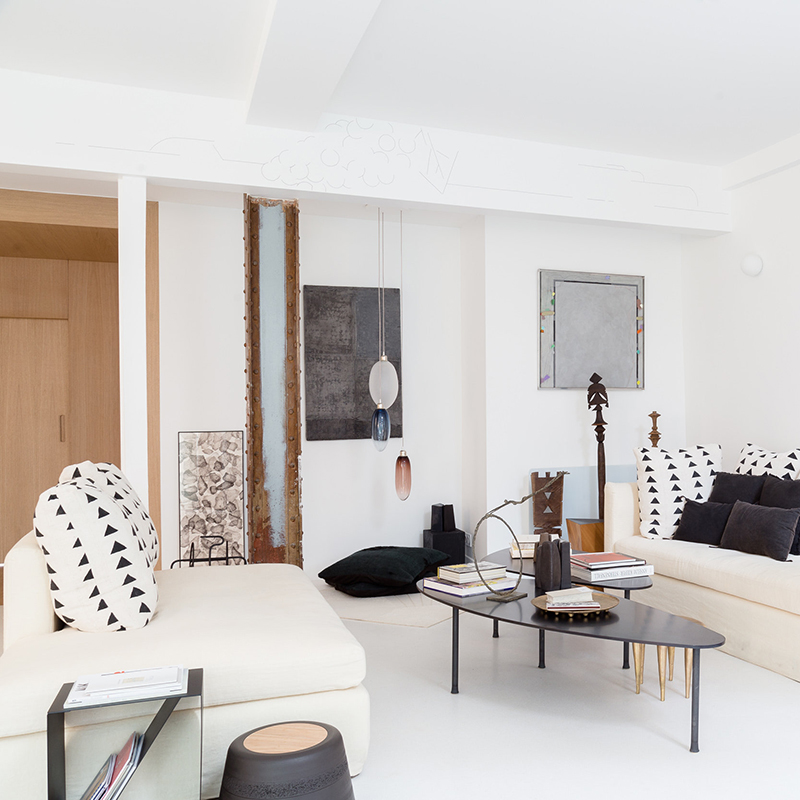
Nadine is a trained weaver who mixes various contemporary materials (such as iron, linen, and rubber) with ancestral techniques. For this Gustave Eiffel inspired metal beam, Nadine chose to create a open frame, both rigid and full of textural irregularities. Using a white patina, the artist mixes pigments and plaster with the iron and linen thread framework. As the iron rusts and the woven material stretches with age, the piece lives and changes over time...
Tanguy Tolila
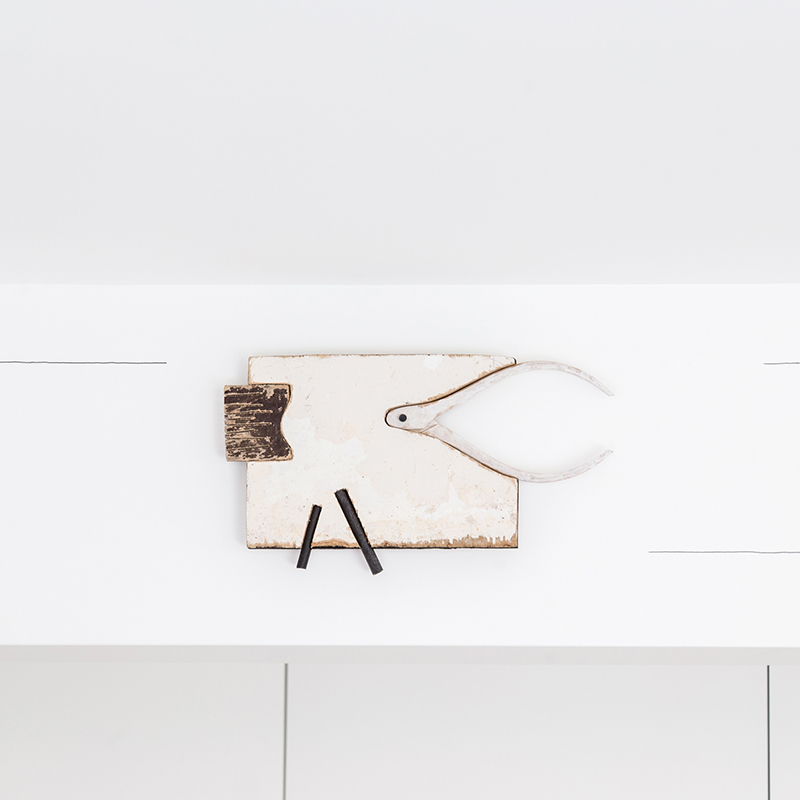
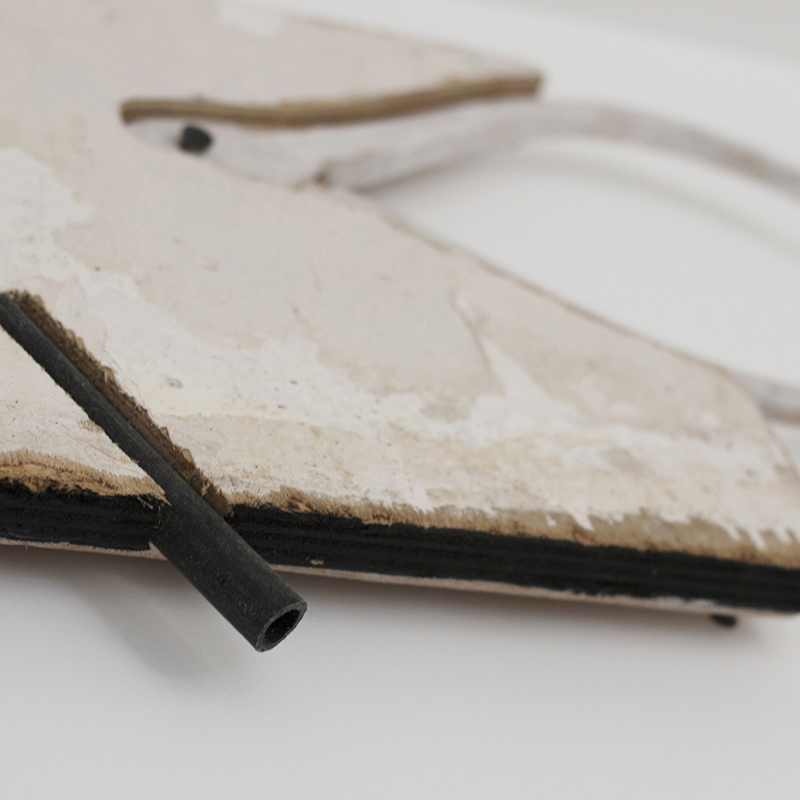
The artist illustrates the myth of Zeuxis, an ancient Greek painter so skilled that even birds came to pick at the grapes portrayed on his canvases. The artwork is made from recycled materials. The bird is surrounded by a black fresco, resuming a movement and a bunch of very suggestive grapes.



Delphine de Luppé
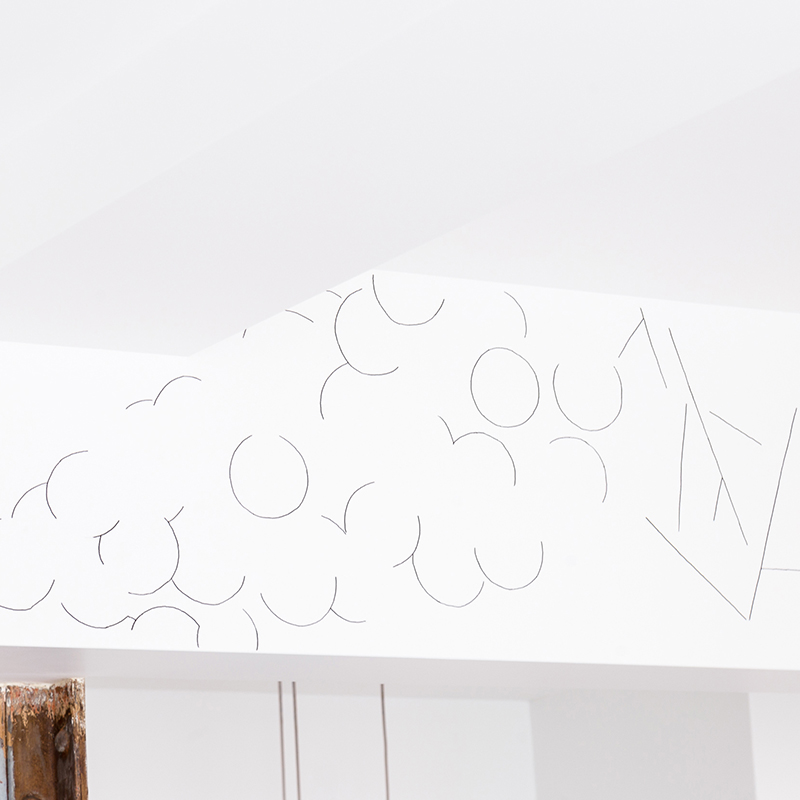
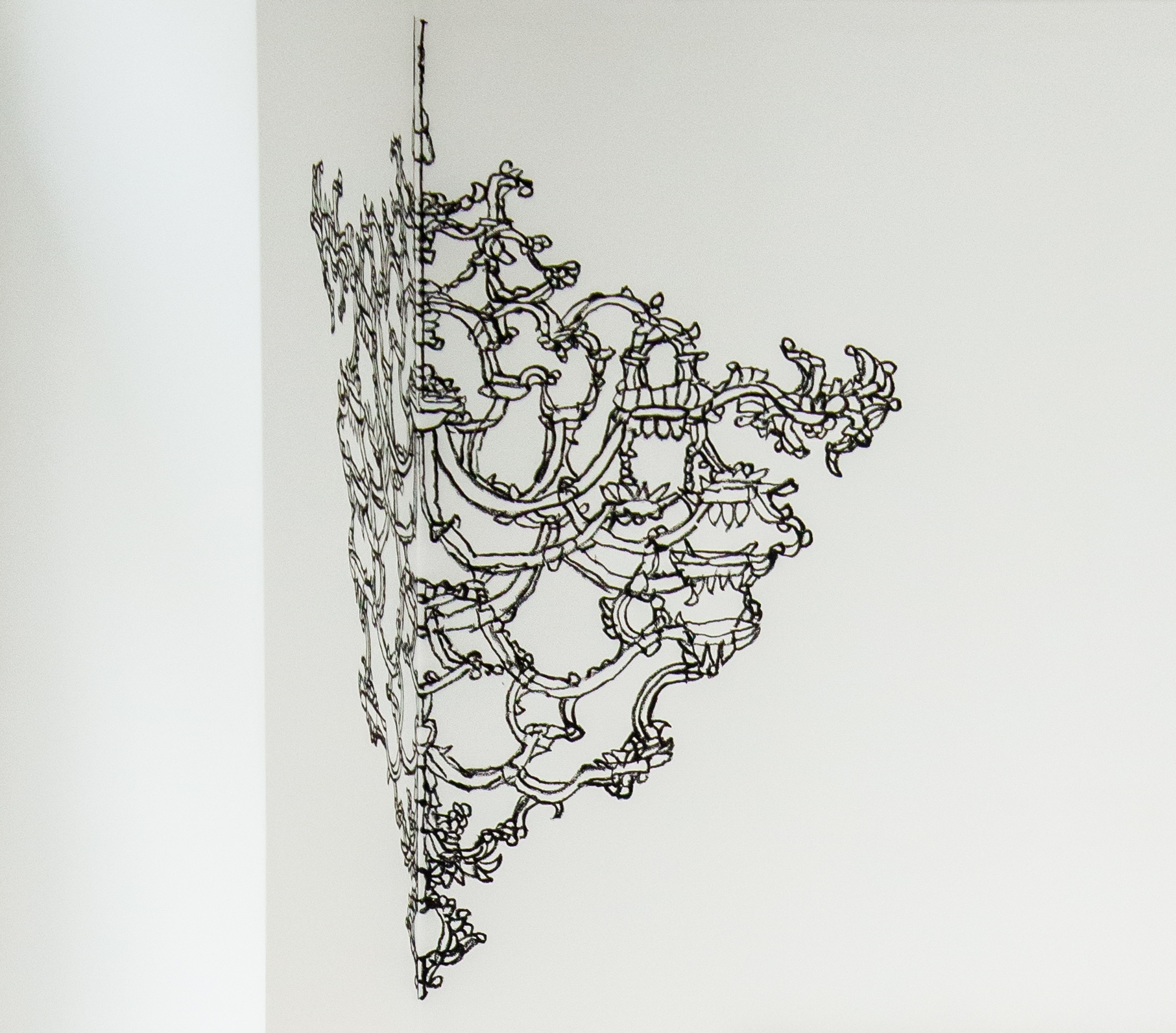
Using oil pastels the artist covers an architectural volume, thus giving the impression that the rounded wall is framed by arches.
Nadine de Garam
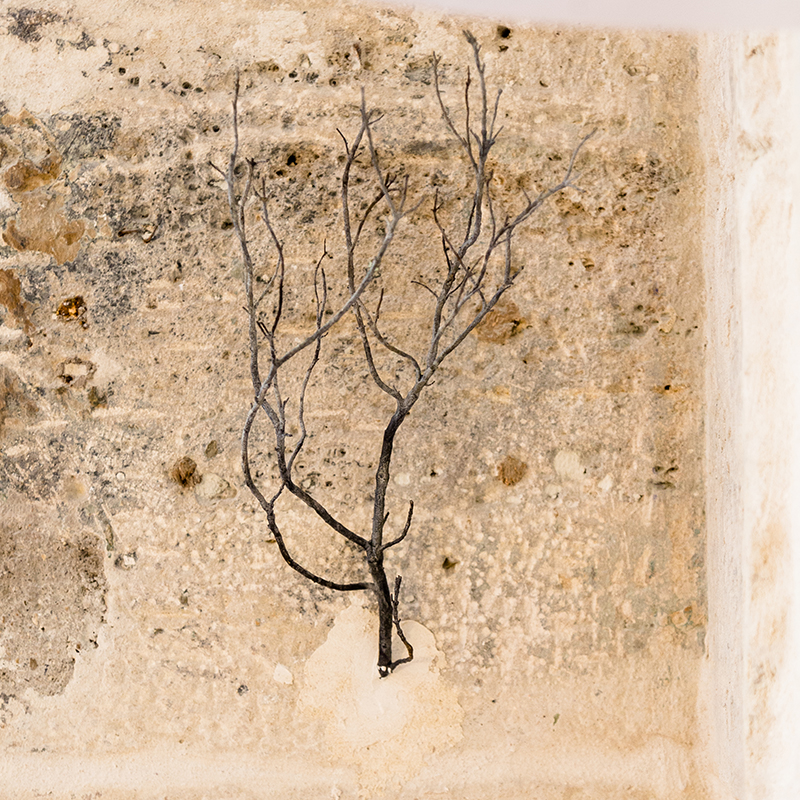
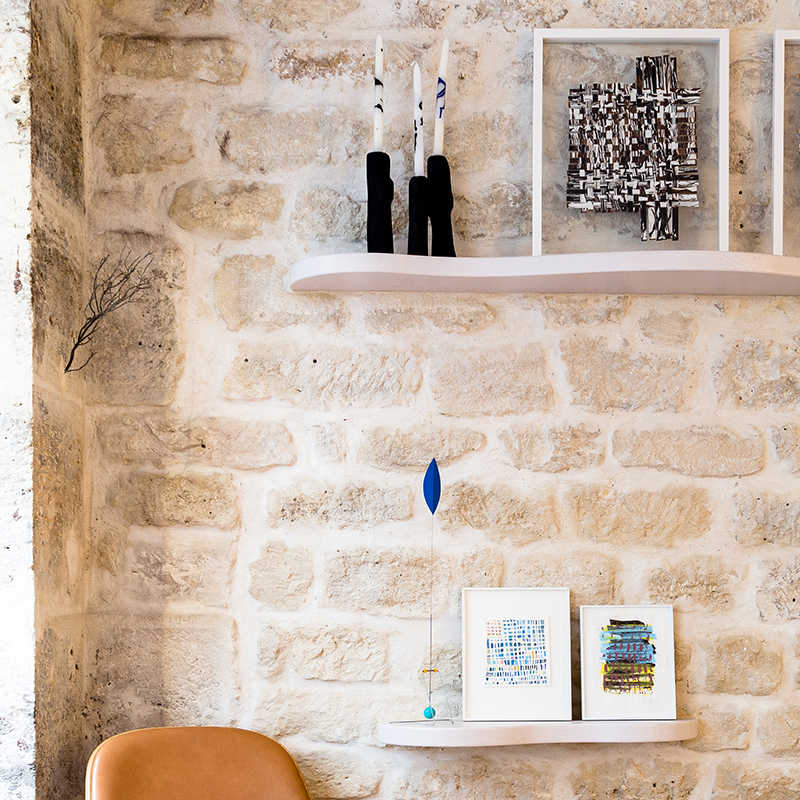
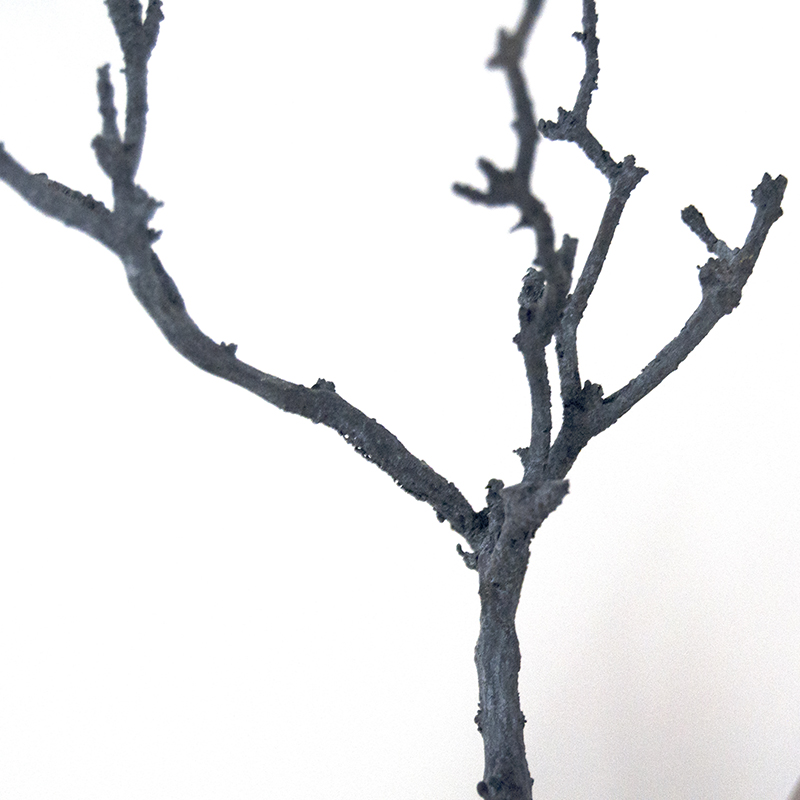
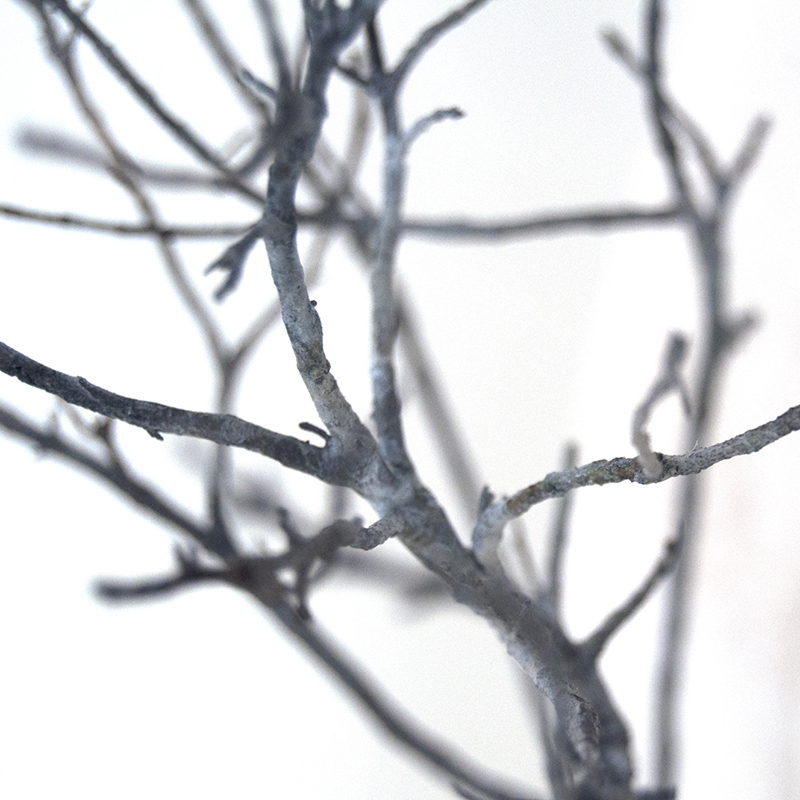
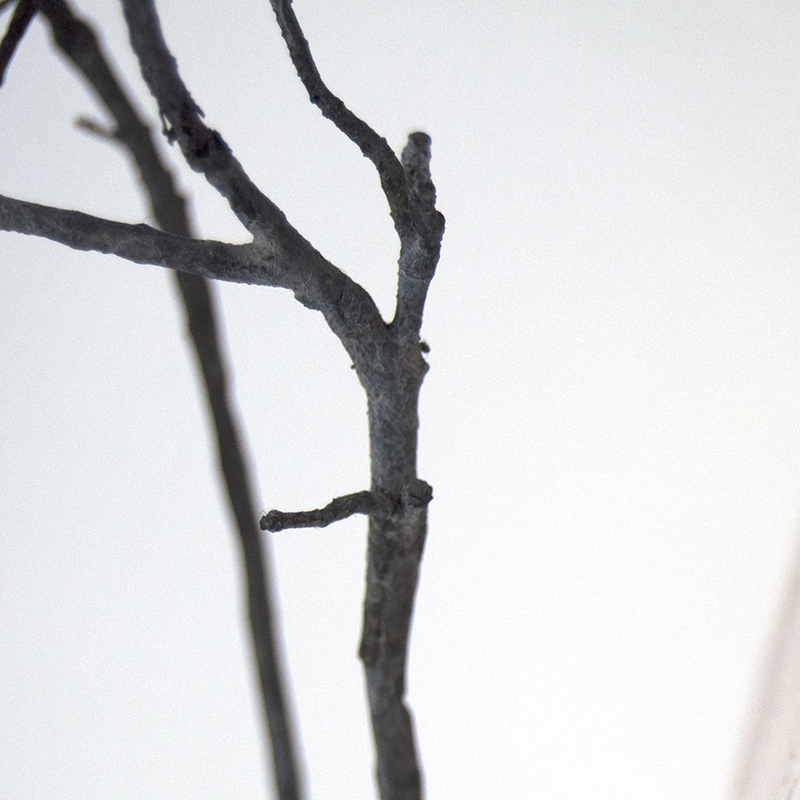
Using a bronze casting of a young tree branch, Nadine de Garam reinterprets the wall with delicacy and poetry.
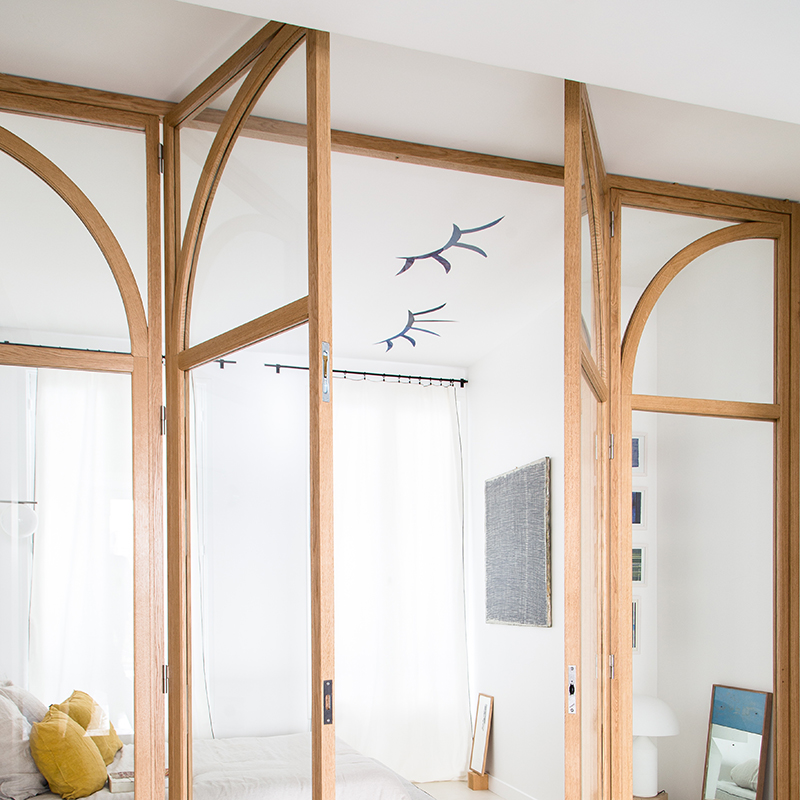
Marie-Claude Bugeaud
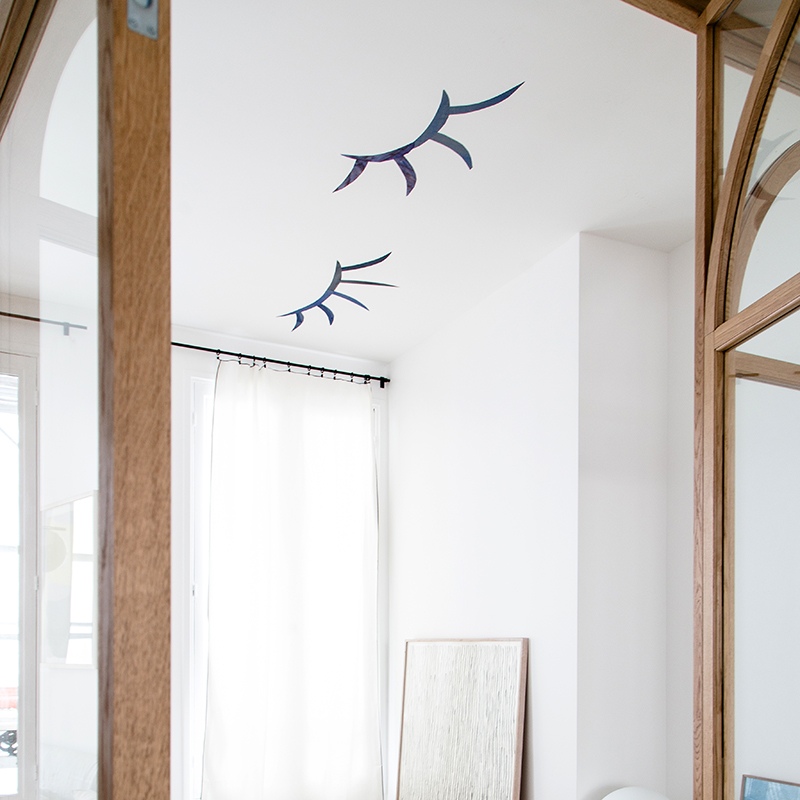
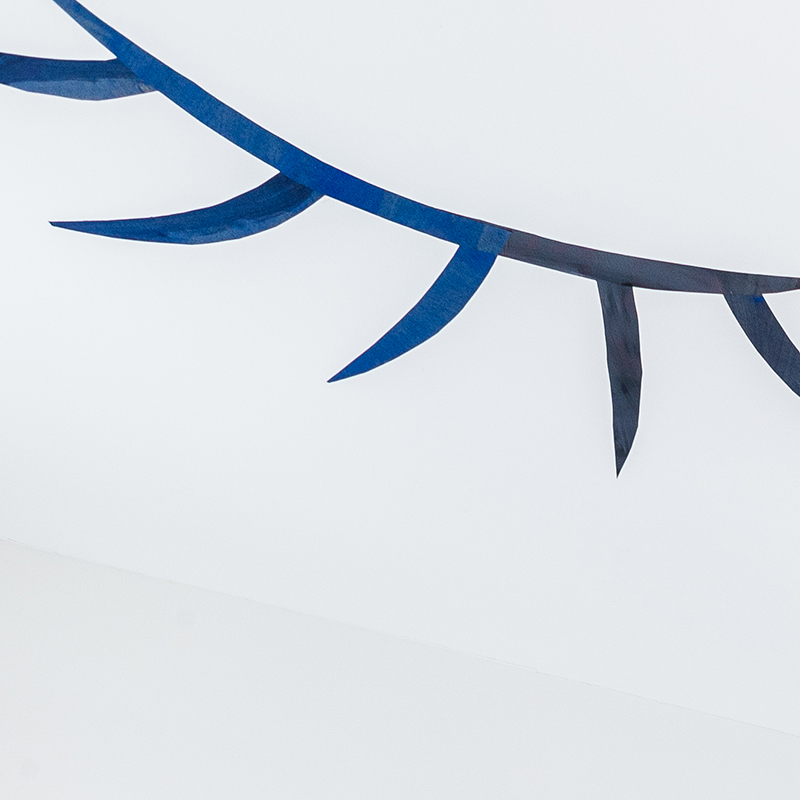
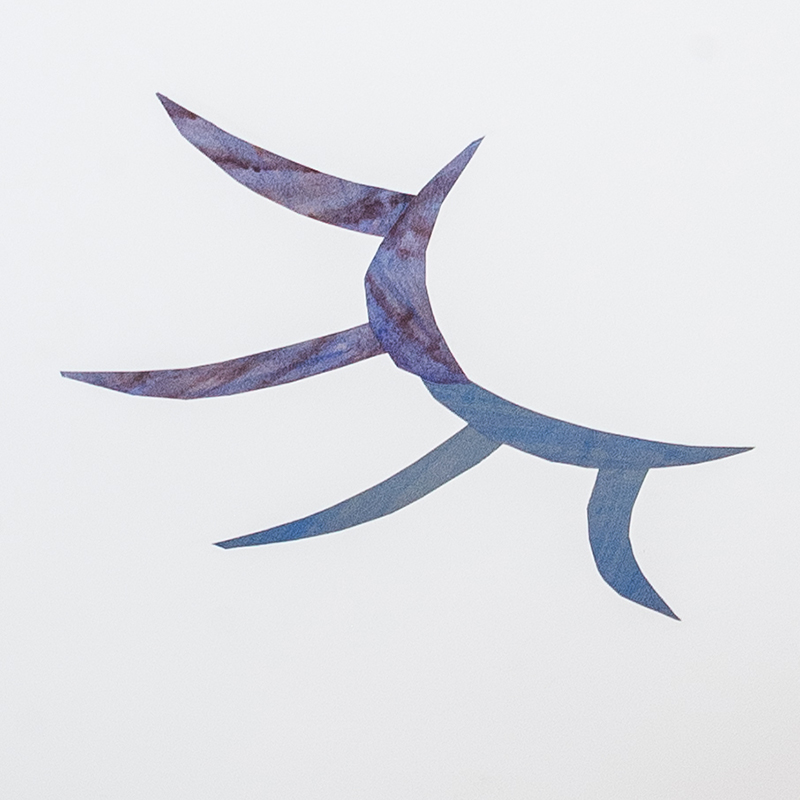
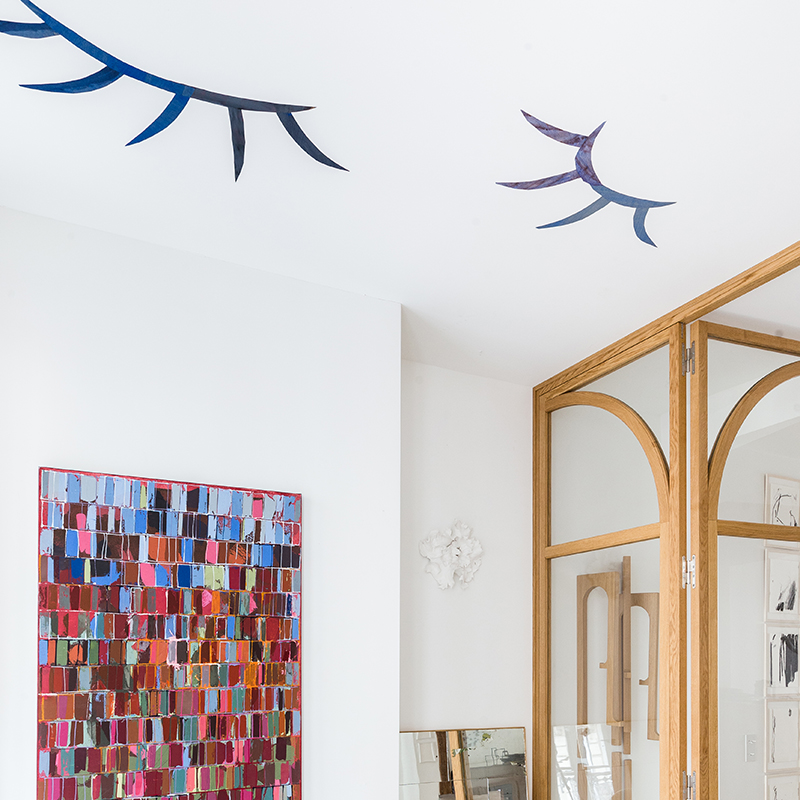
Marie-Claude Bugeaud regularly employs the collage technique, often using scraps of materials mixed with paints in her work… a shape, utter delicacy, a small detail that makes all the difference, a little wink…with poetic flair Marie-Claude gives « her view » on the ceiling.
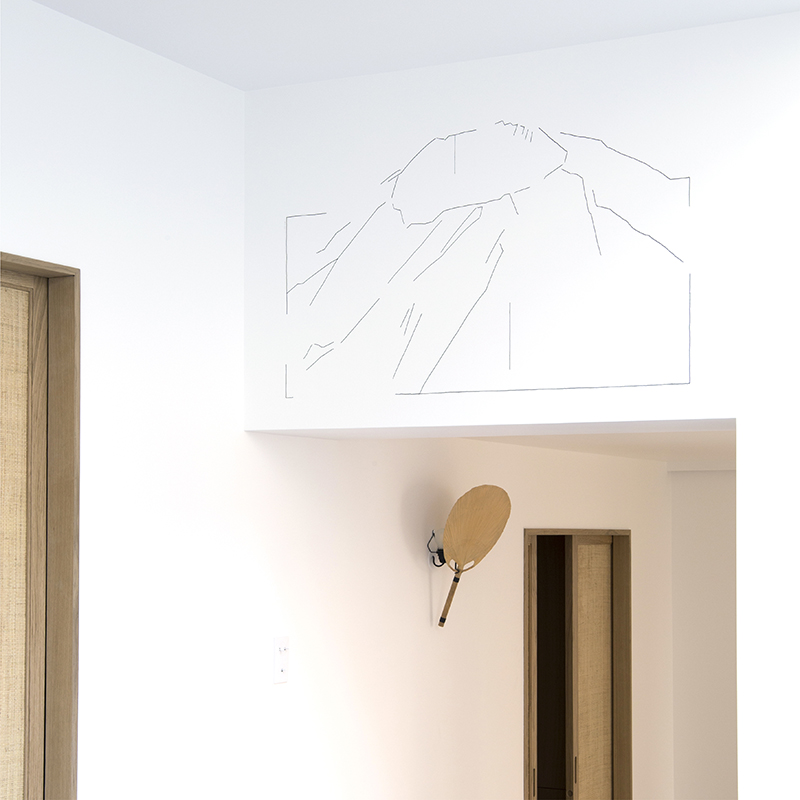
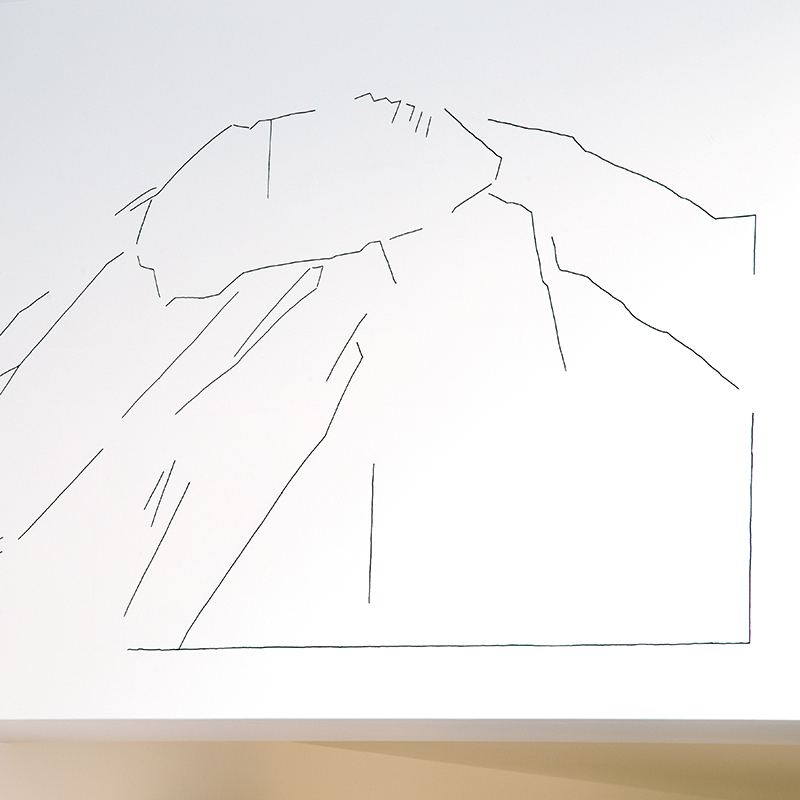
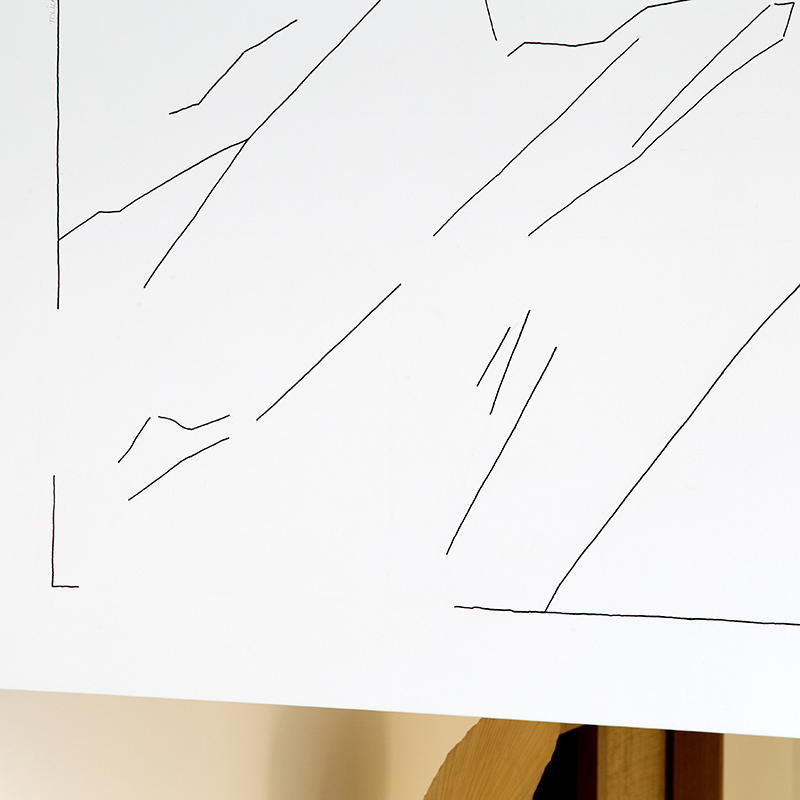
Tanguy Tolila
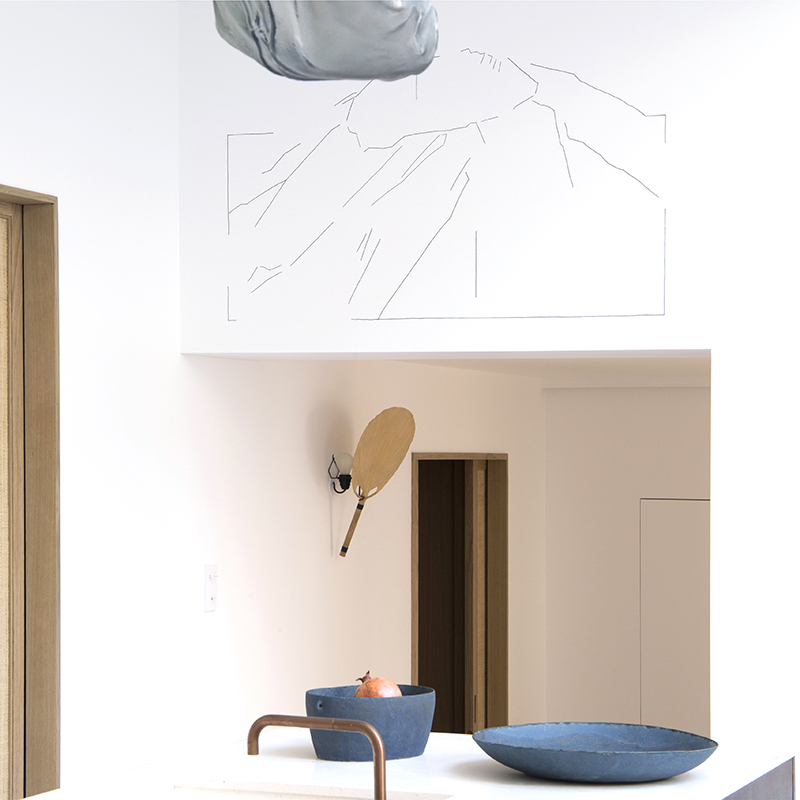
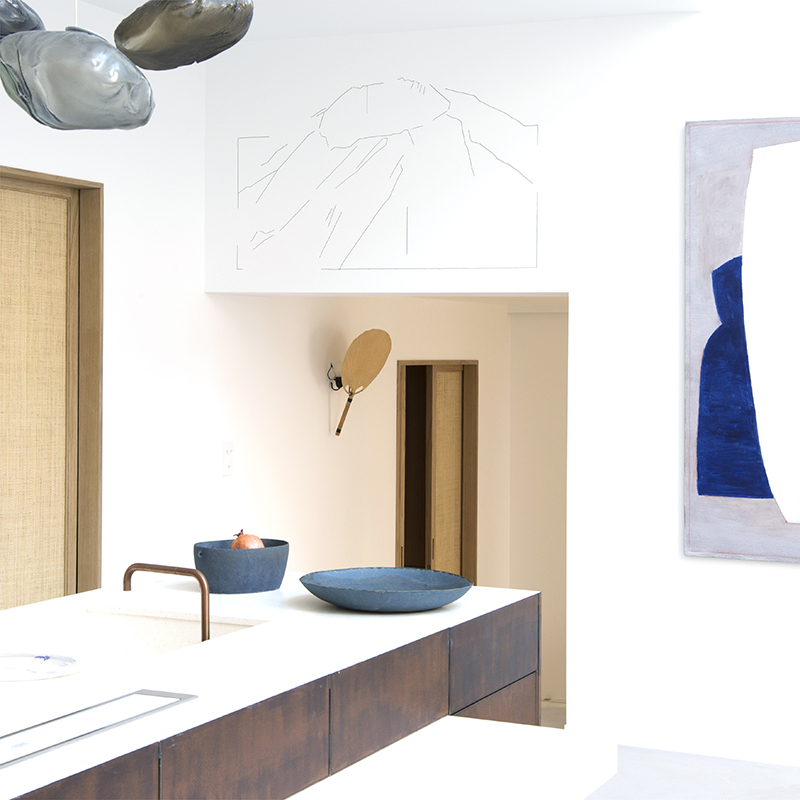
What type of work by Tanguy Tolila might be of interest to a Neapolitan collector? A sopraporte, a traditional Italian decorative technique used over door frames. The subject matter in this piece is Vesuvius: the proud, magnificent volcano facing the city of Naples. The artist’s renowned use of the line is present - simple, straightforward and balanced graphics.
Alexandre Benjamin Navet
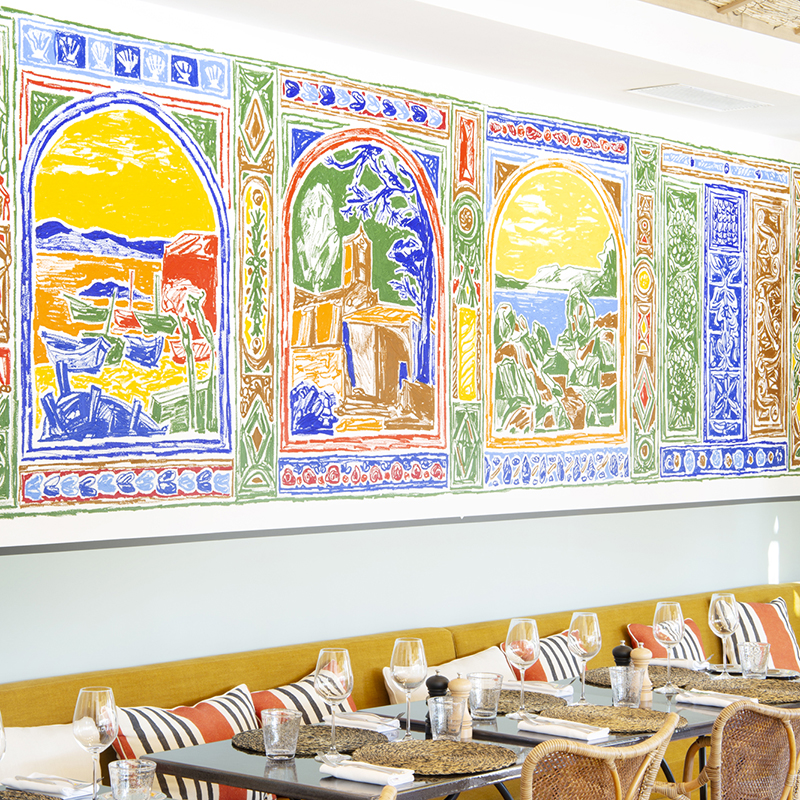
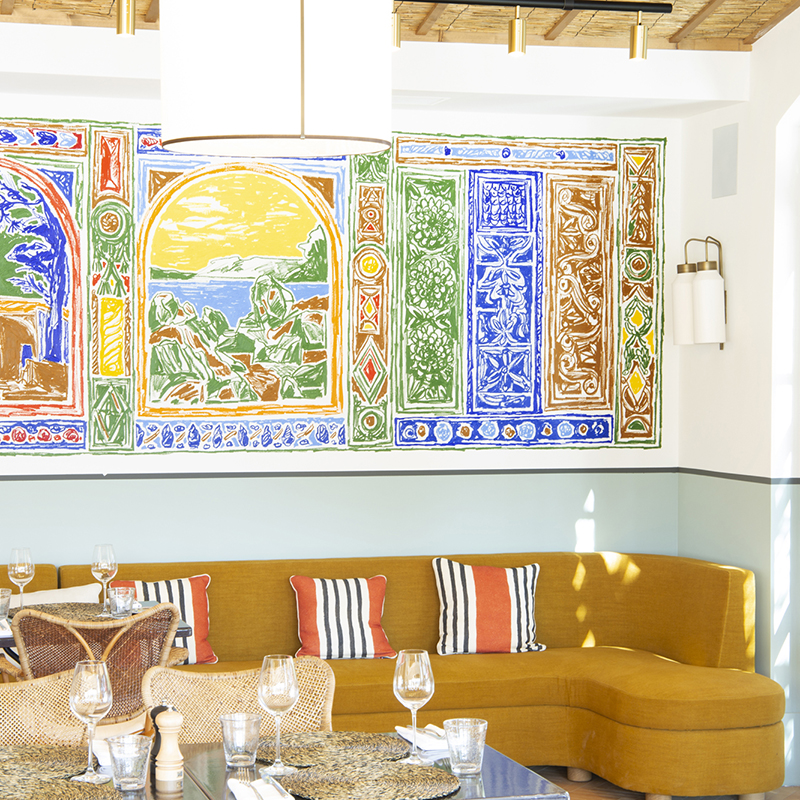
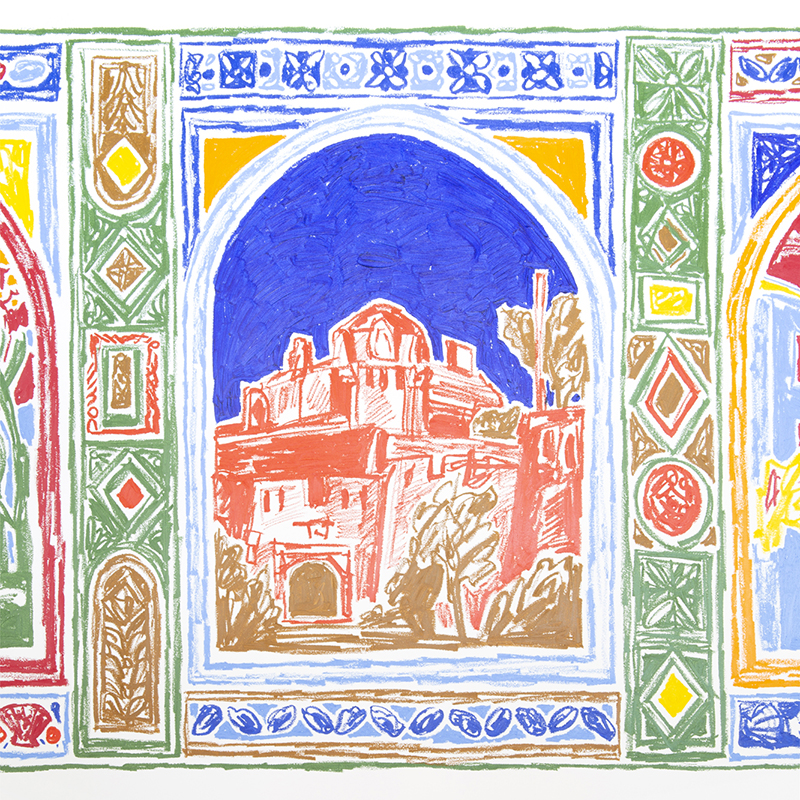
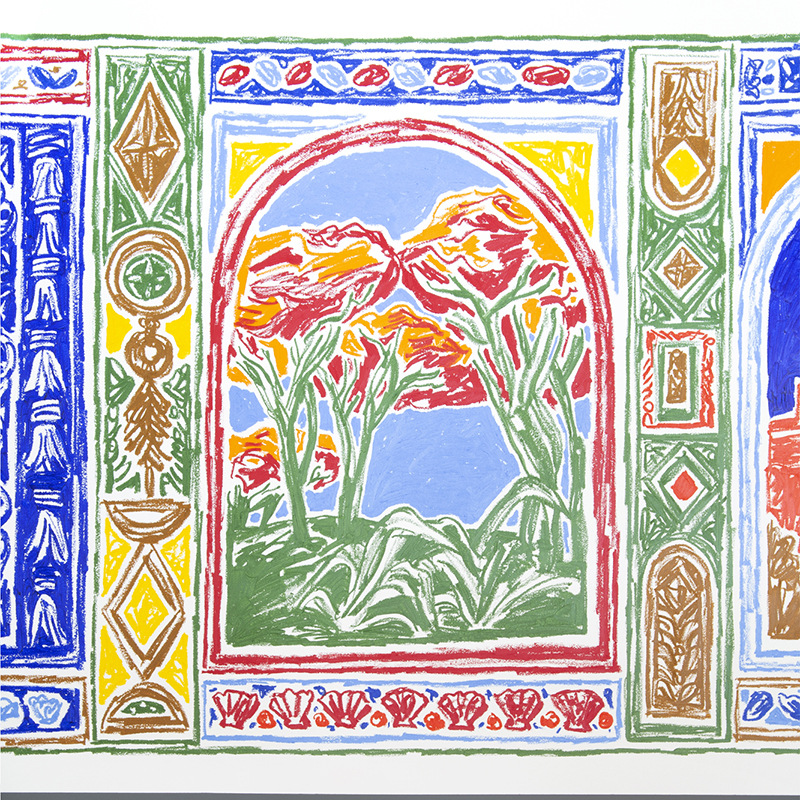
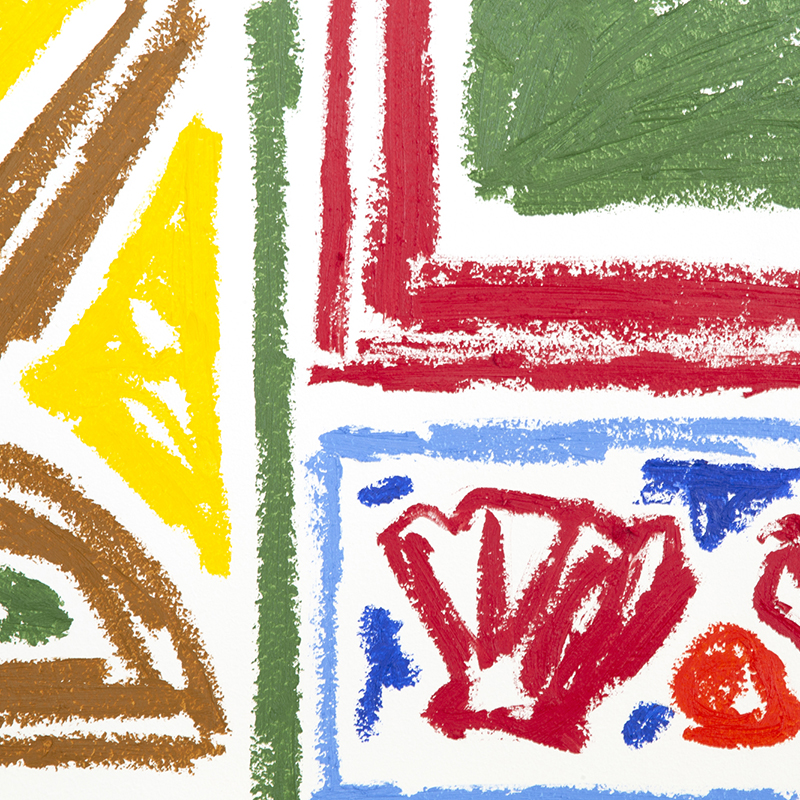
Alexandre Benjamin Navet completed this six panel fresco for a Saint Tropez establishment. The artist portrays typical sights of the region such as umbrella pines, rocks, and church bell towers, accompanied by a maritime decor (shells, shellfish, etc.).
Tanguy Tolila
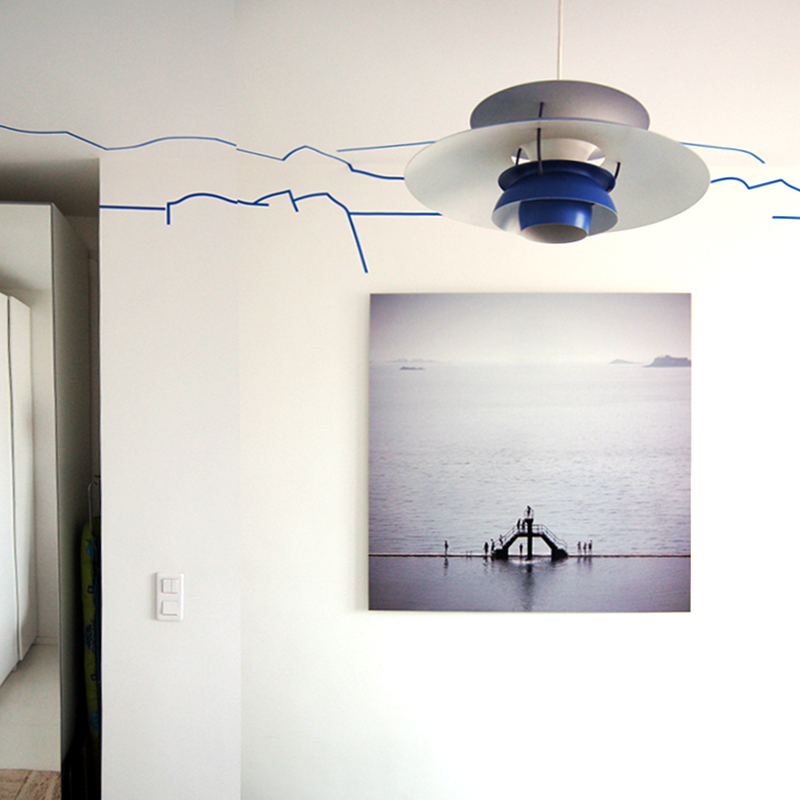
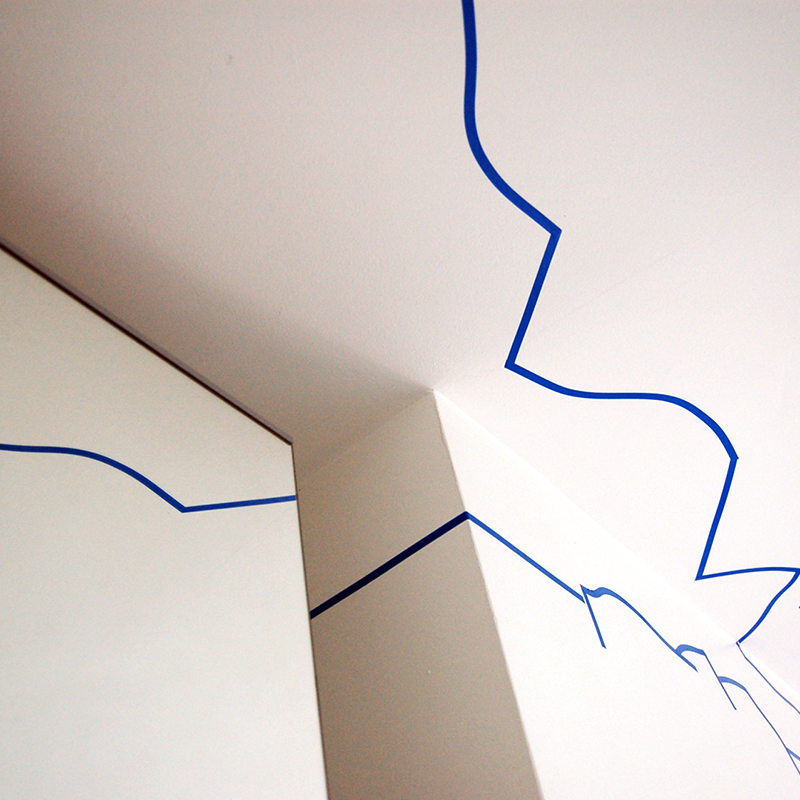
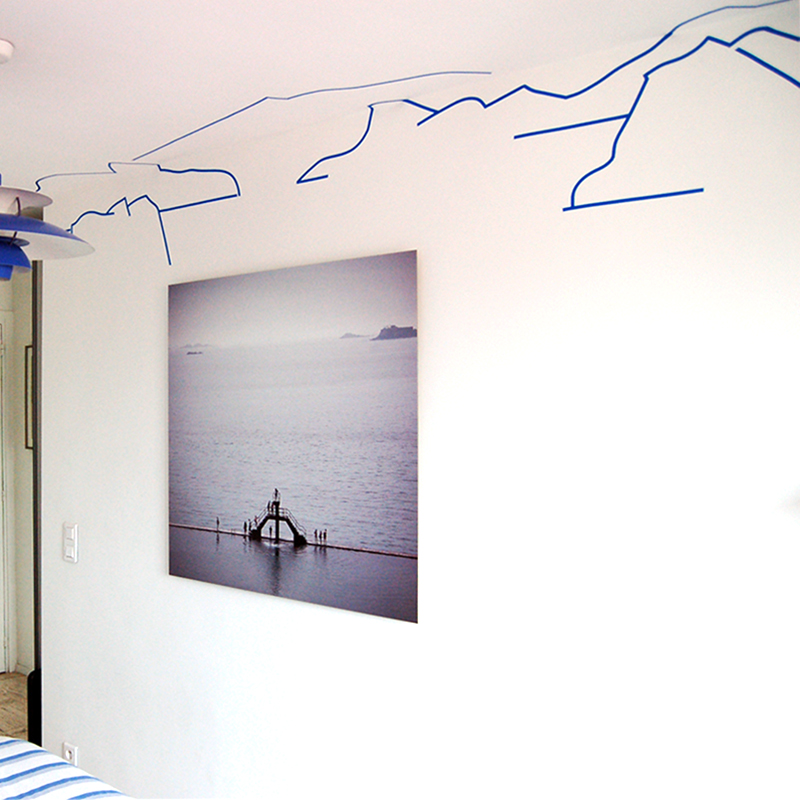
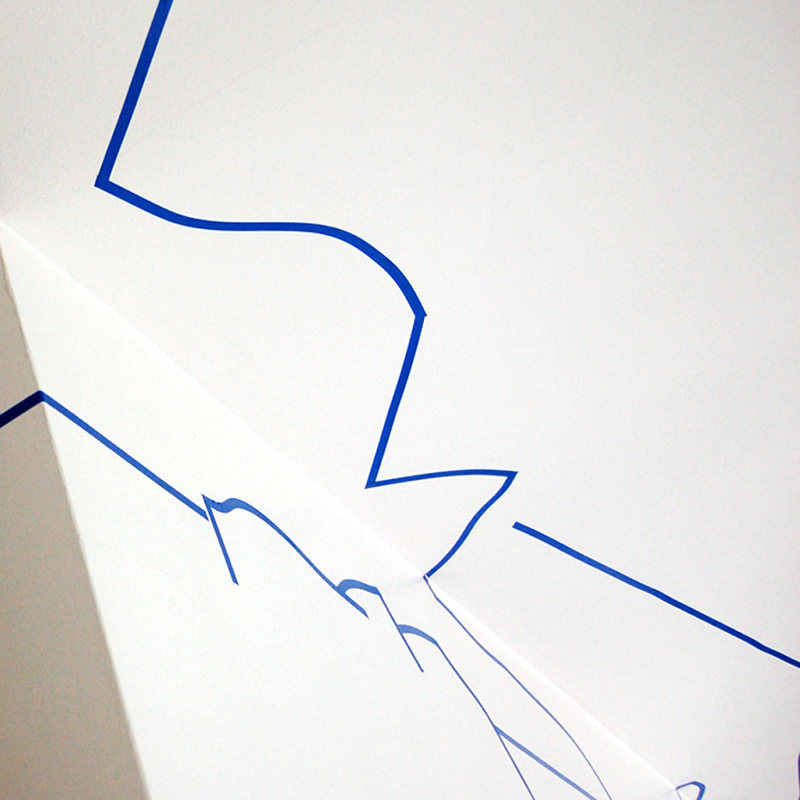
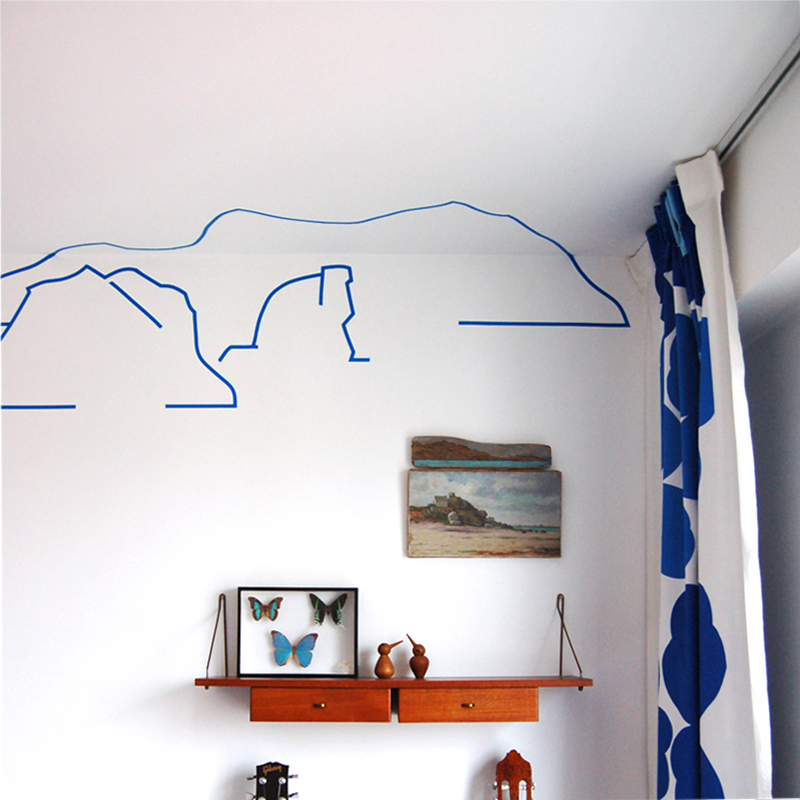
The artist had to adapt to the challenge of a curved hallway that made it impossible to hang artwork. For this couple of collectors sharing a common passion for Kenya, the artist decided to portray the outlines of the country’s five largest lakes. As always his signature is the use of the line, enhanced by delicate variations of blue glazes and a certain simplicity of decor.


Pola Carmen
Pola Carmen's work is like a journey. Her indefinite linesmove forward, hesitate, then travel across the wall to create the impression of a woven material of varying density. "Possibles" is a reflection on the line: both horizon lines that connect vanishing points, and life lines infused with color. Pola Carmen invites the viewer to appreciate the beauty of the world in all its complex simplicity: lines and color.
Garance Vallée
Garance Vallée reinvents our vision of architecture and its materials. Her diverse inspirations range from the small tropisms of everyday life to the modernist masterpieces of the 50's and 70’s. The artist inscribes drawings into existing architecture, thereby creating a stage for the theater of everyday existence.


Lili Delaroque
Her ceramic pieces reflect the poetry of nature and the strength of its elements, or as Delaroque says, "I like to drown in the earth." The artist stages ceramic sculptures that resemble pearl columns.
Frédéric Heurlier Cimolai
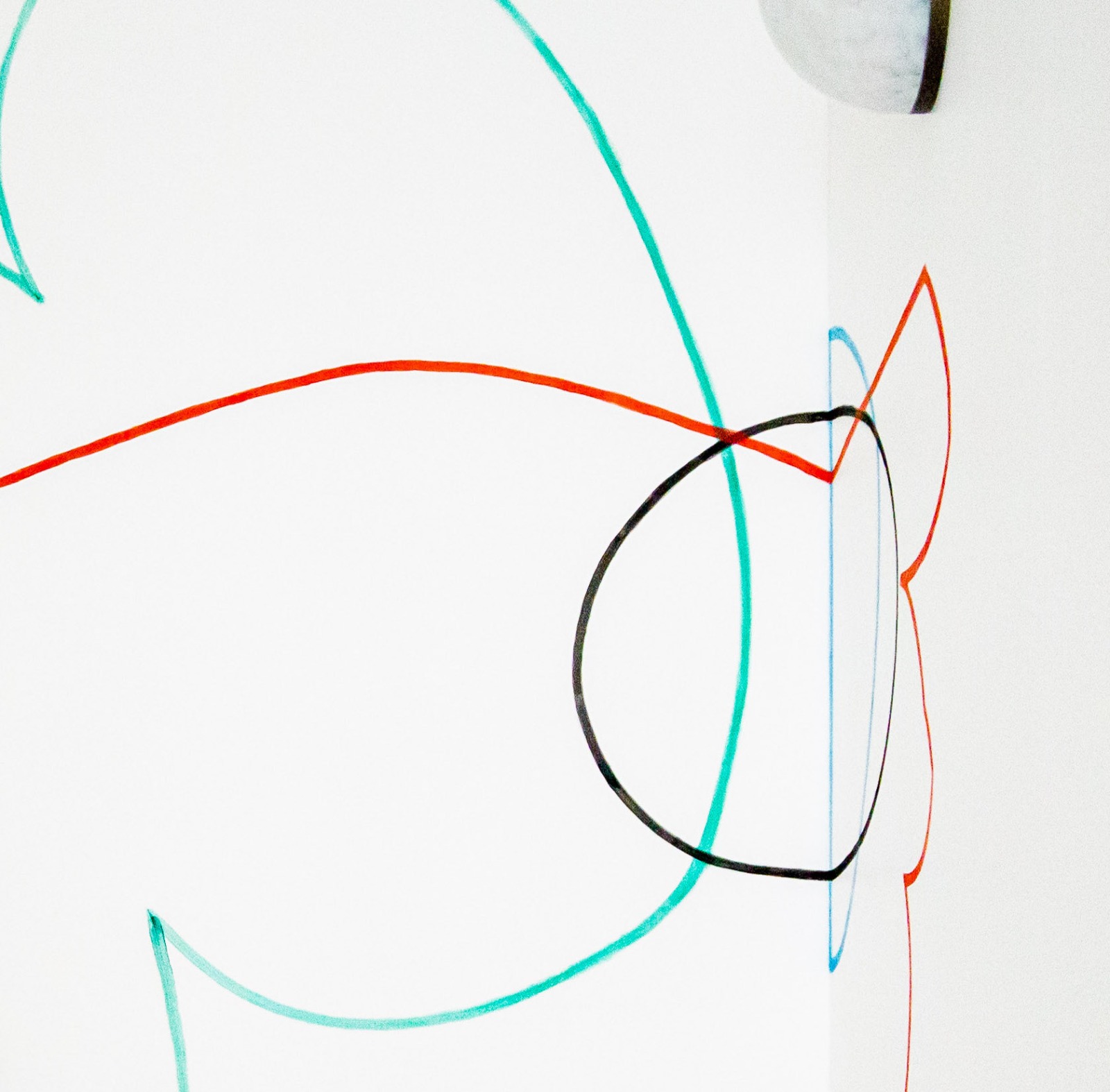
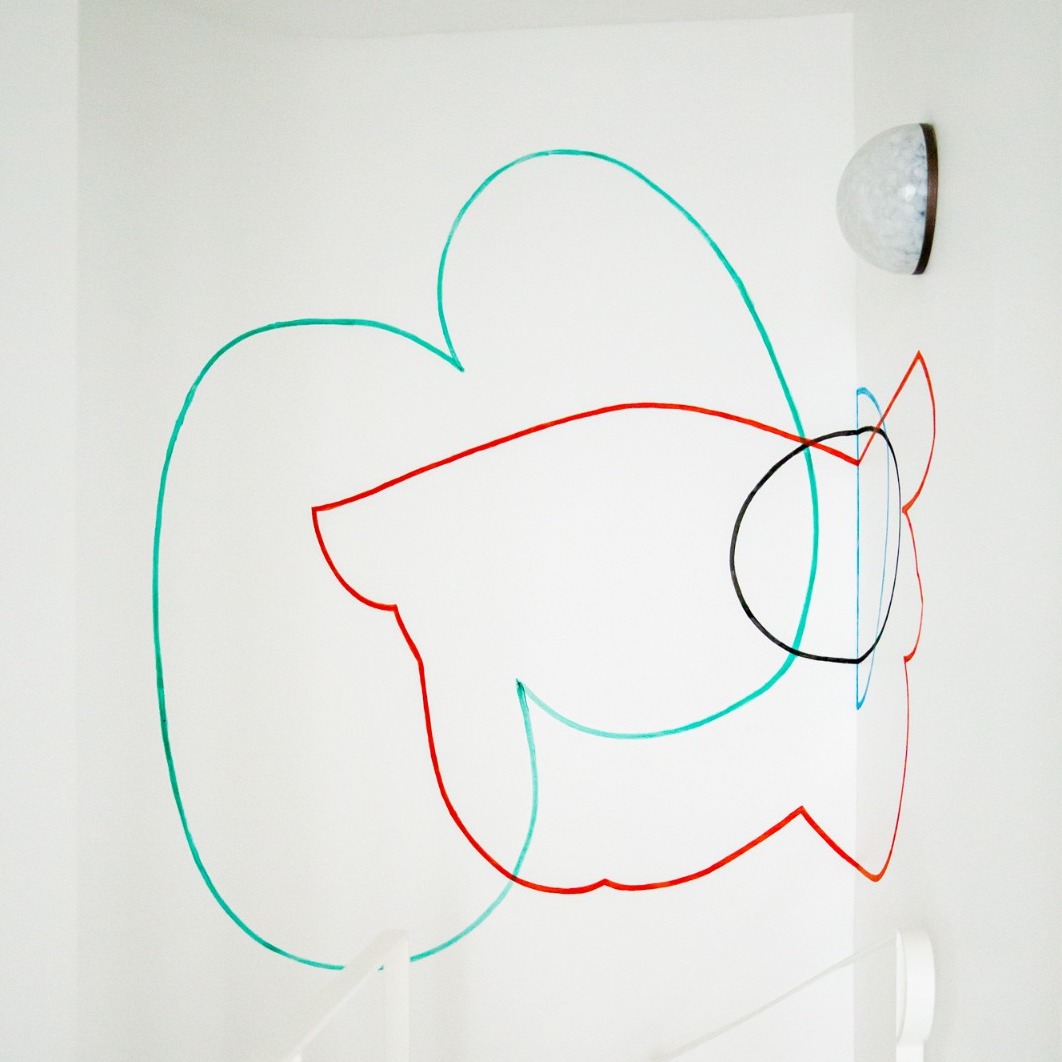
The artist plays hide and seek with the viewer as shapes cross, overlap, are hidden, then reappear. Depending on where the viewer’s glance first falls, the forms, lines and colors, are perceived differently, until the eye finds the precise spot at which the shape takes form.
Laure Carré
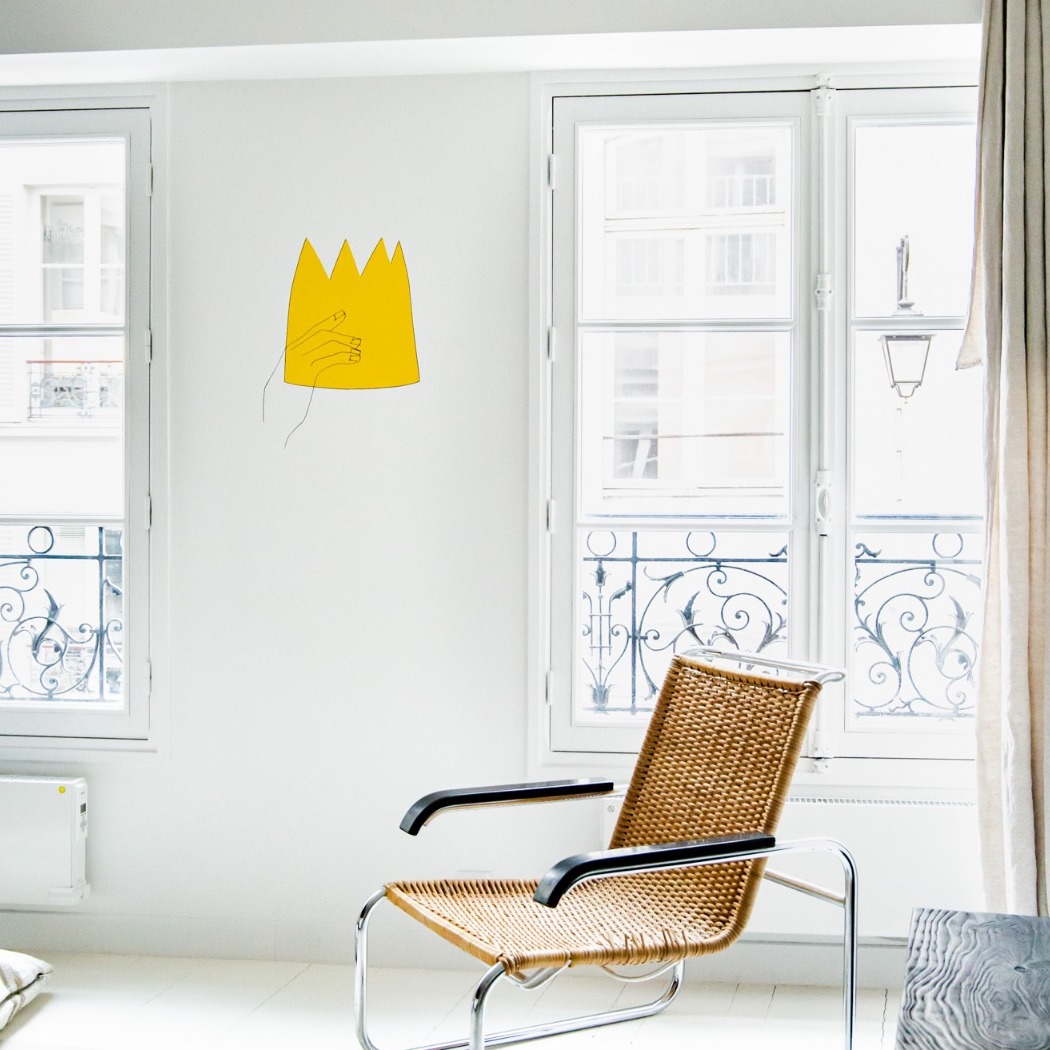
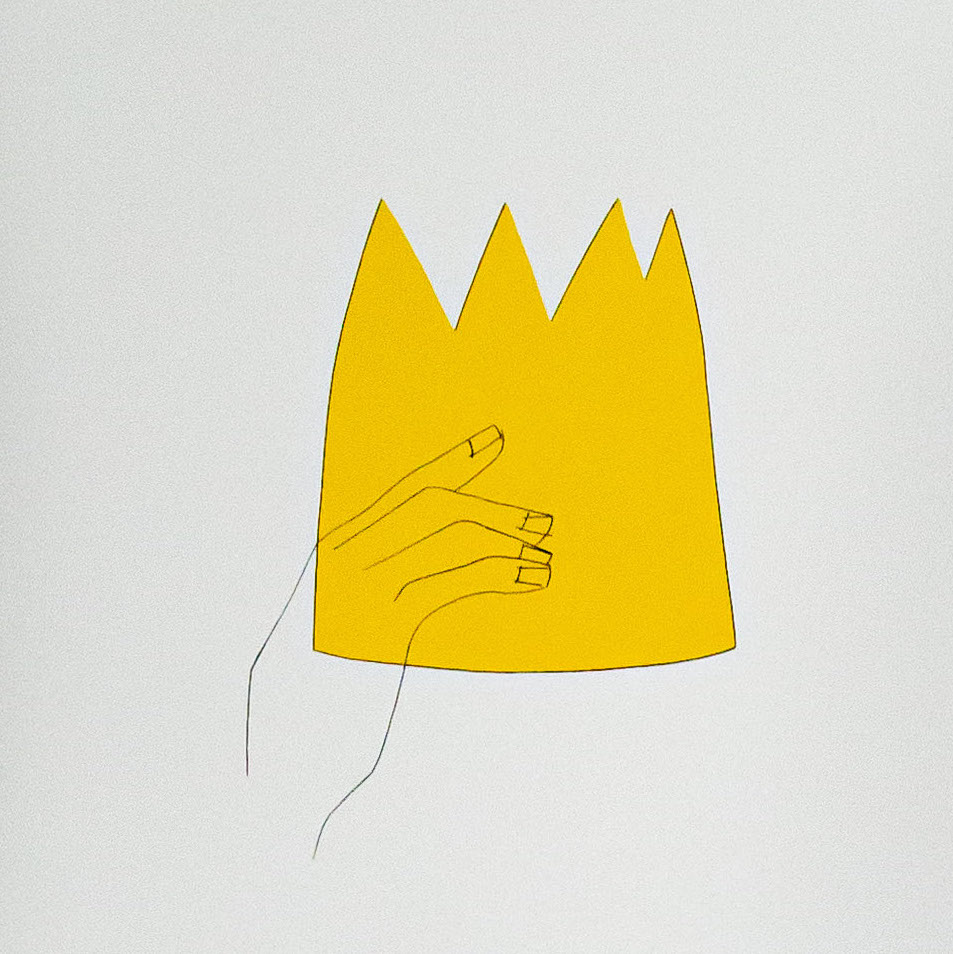
With a bit of irreverence, this collage by Laure Carré evokes innocence and the dream state.
ELOI SCHULTZ
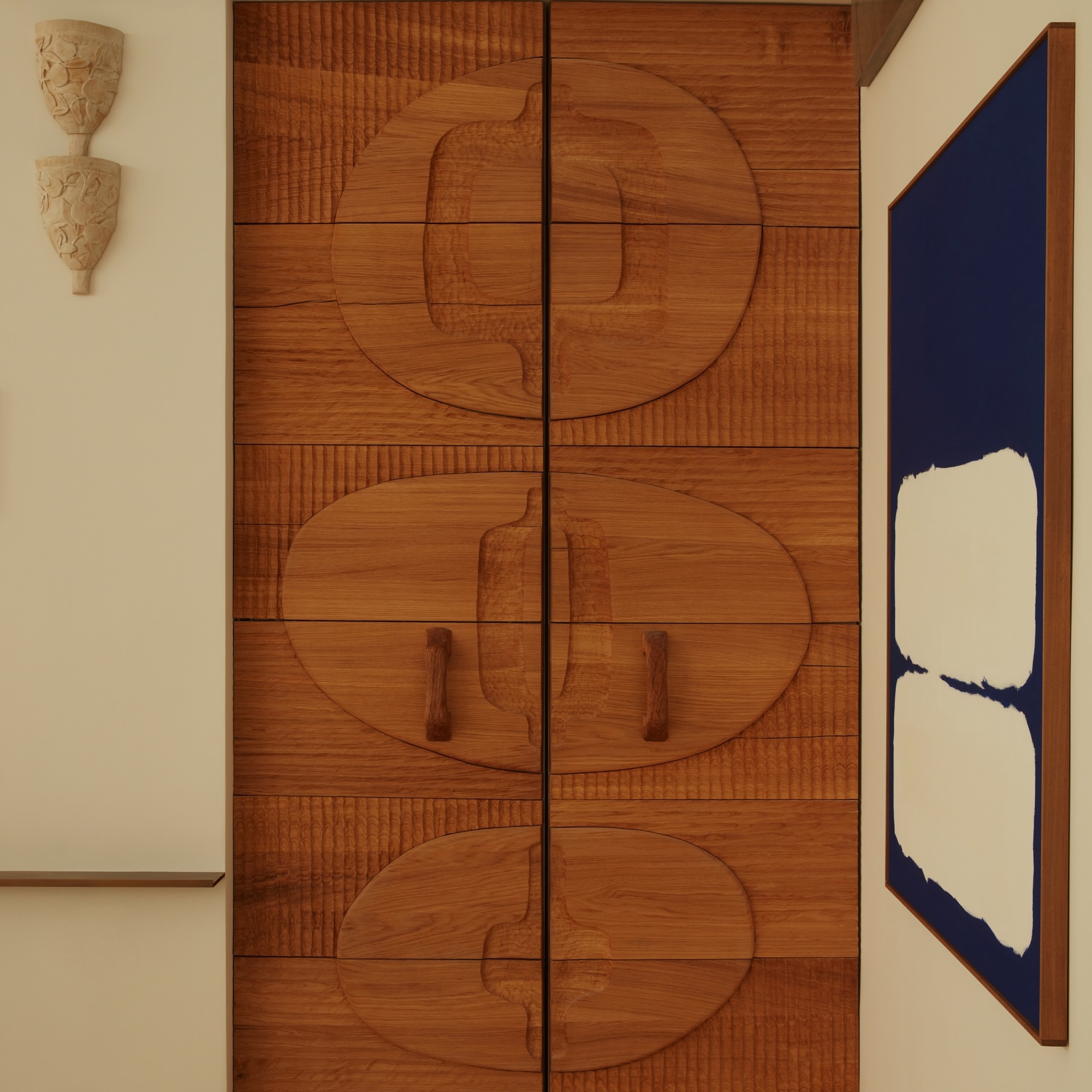
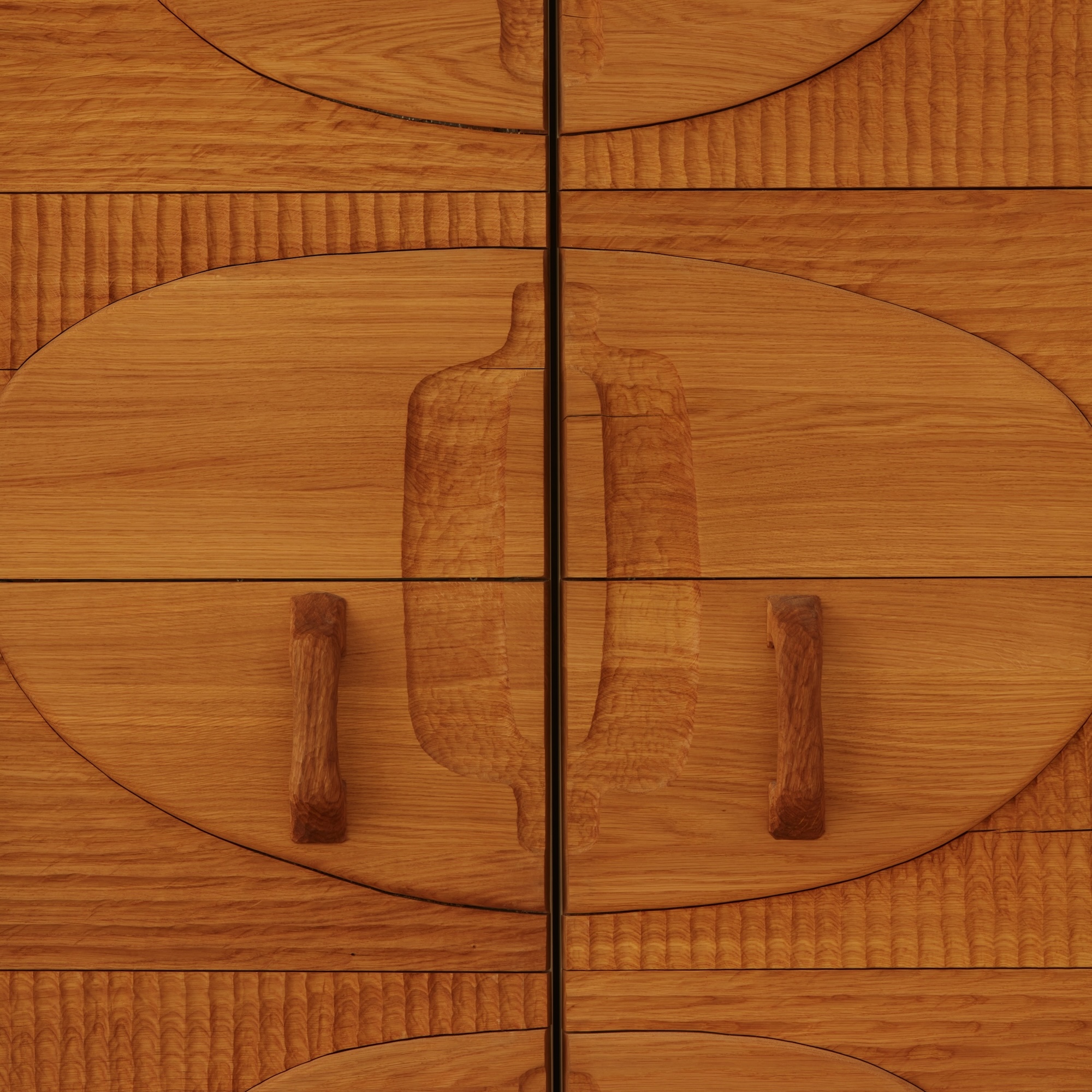
Enter the circle, between vernacular forms and Brancusi-like influences, with this double door made of carved oak panels by designer and cabinetmaker Eloi Schultz, leading to the gallery's storage area.
HELOISE BARIOL
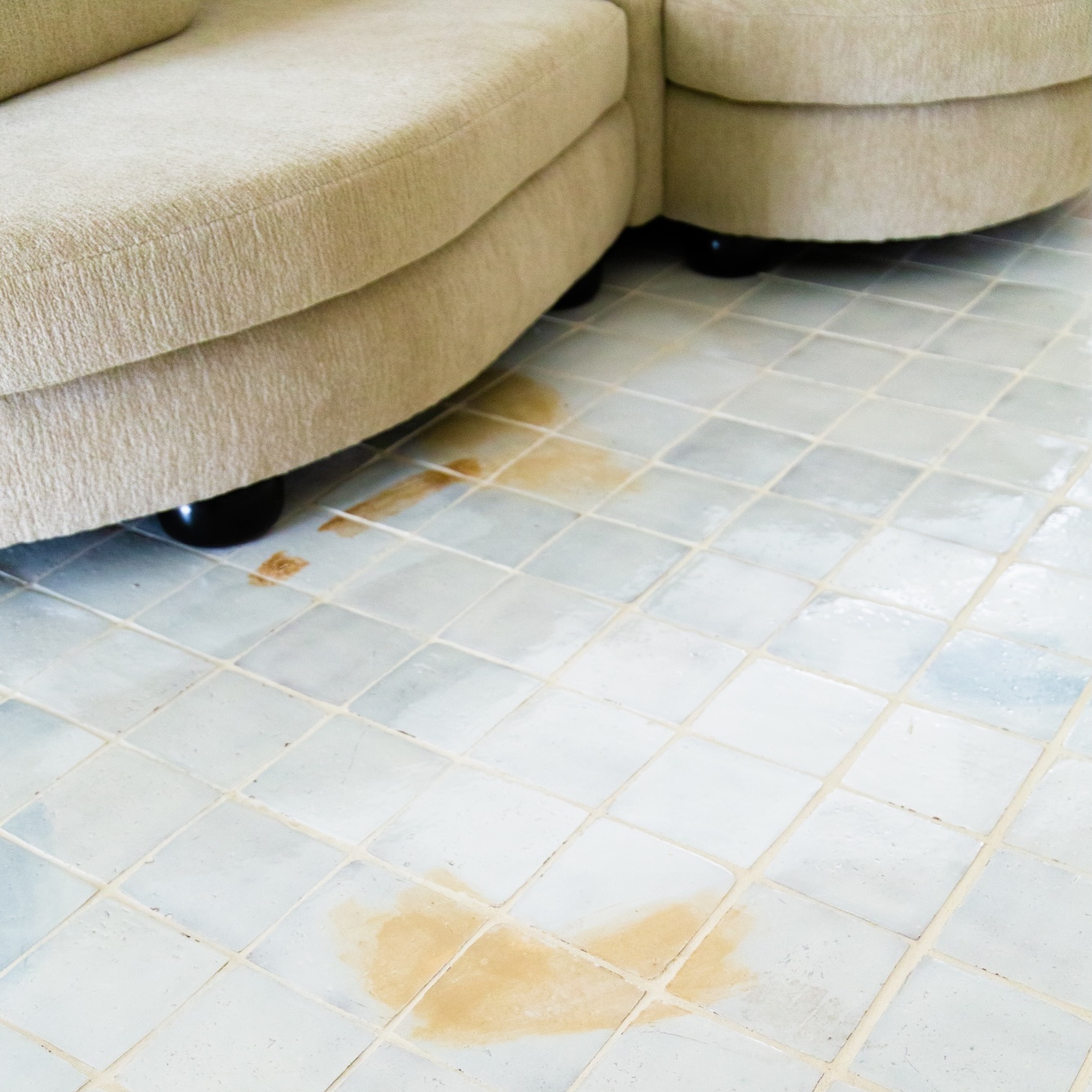
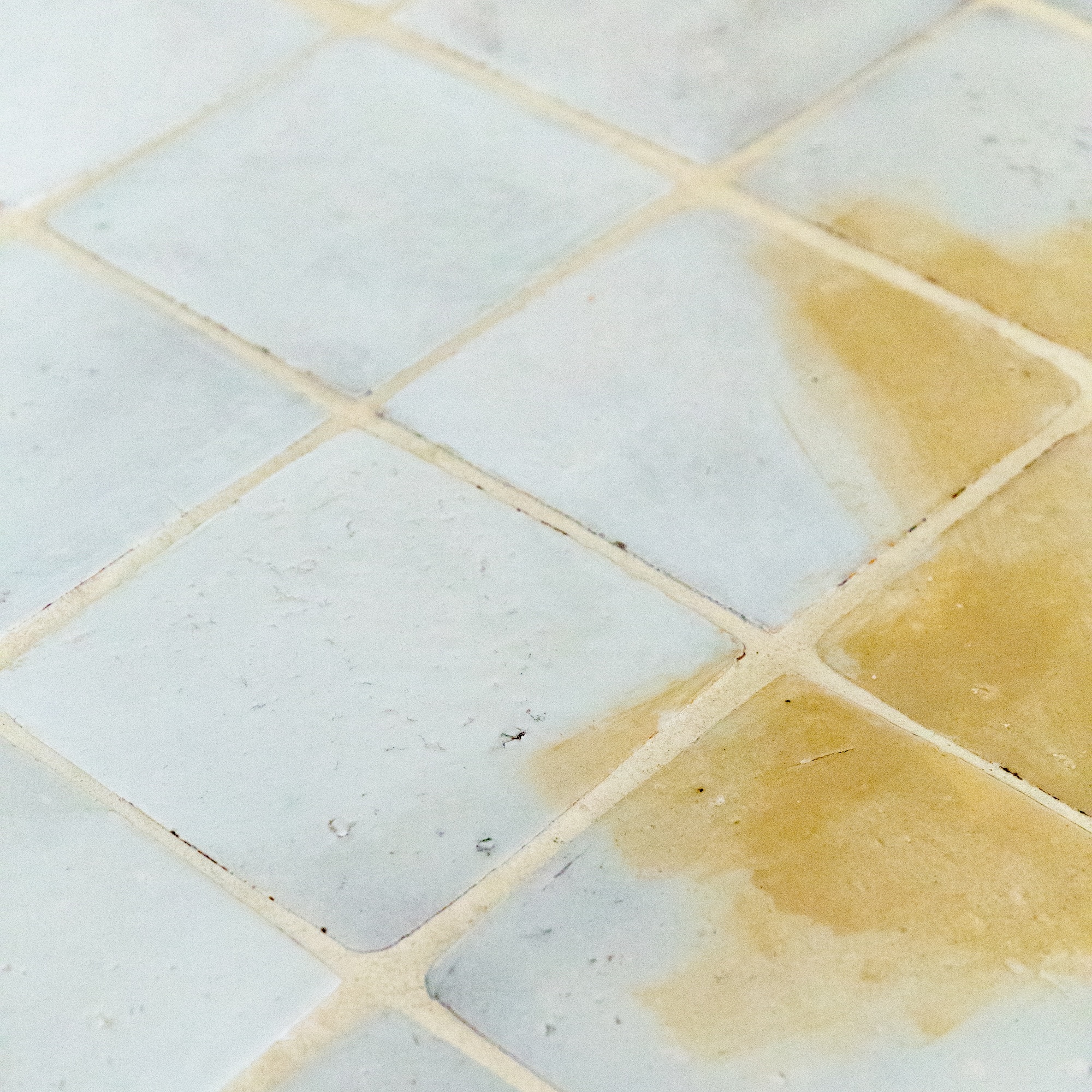
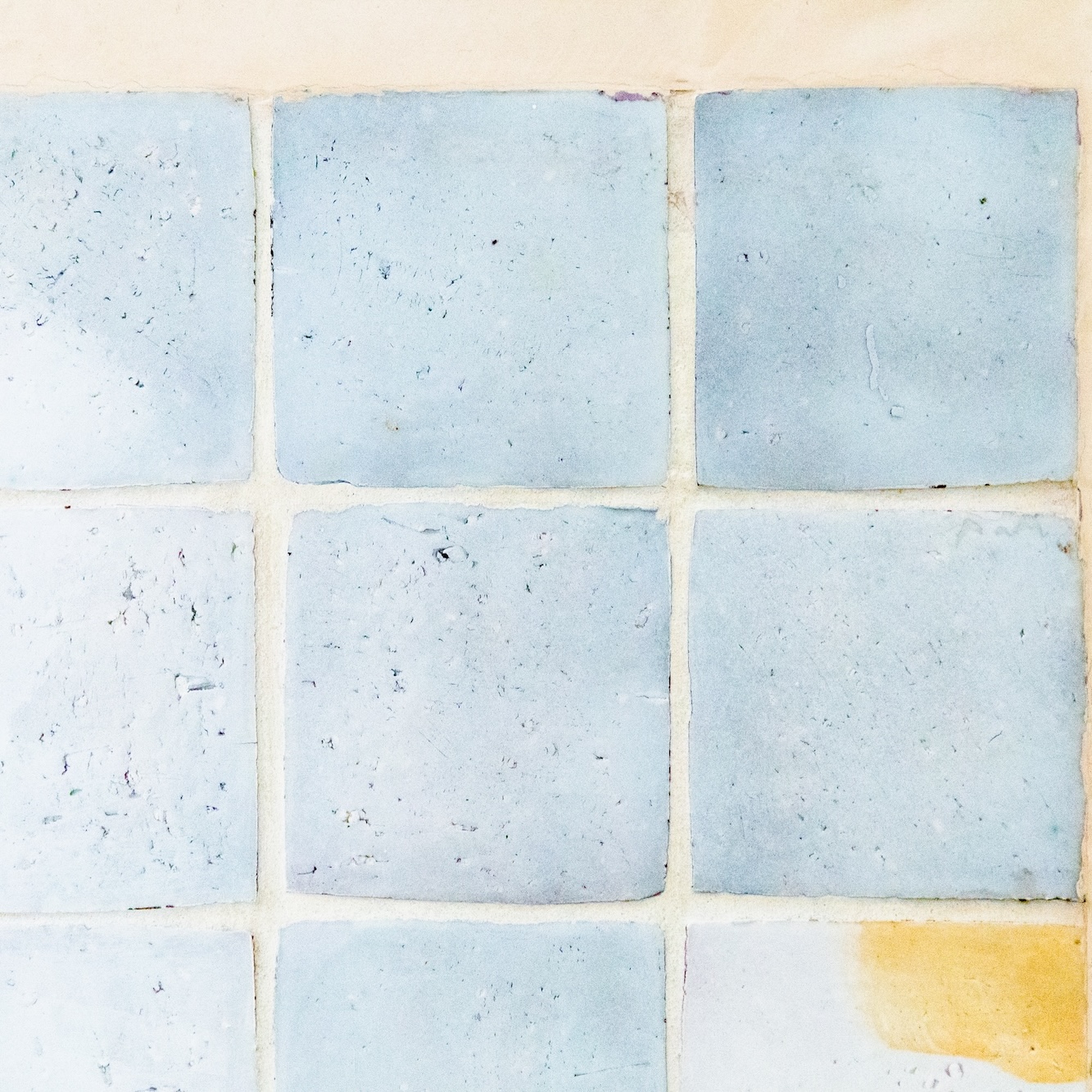
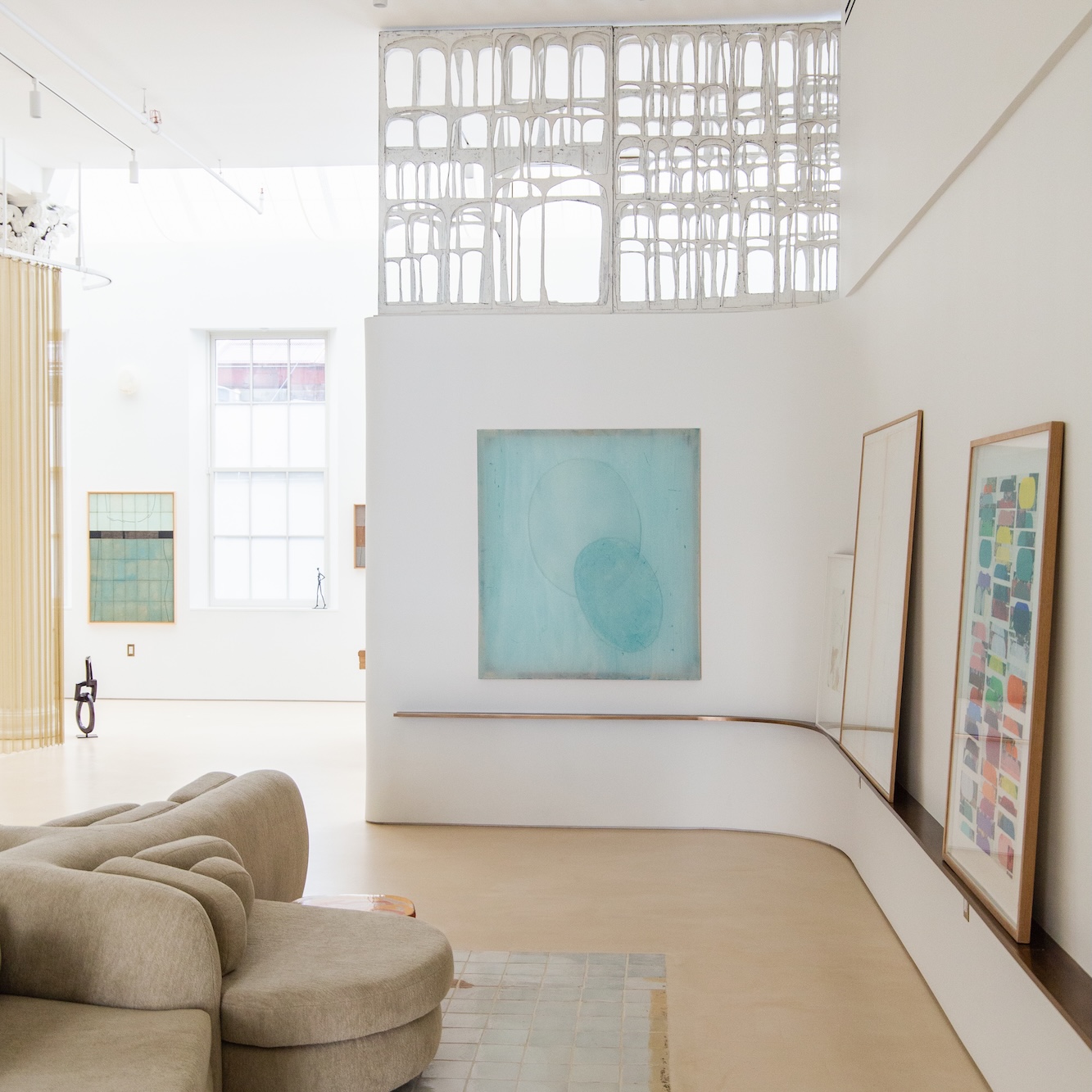
Underfoot, a fragment of the floor becomes a work of art: a collection of unique tiles, each one individually crafted by artist Héloïse Bariol.
GERD KANZ
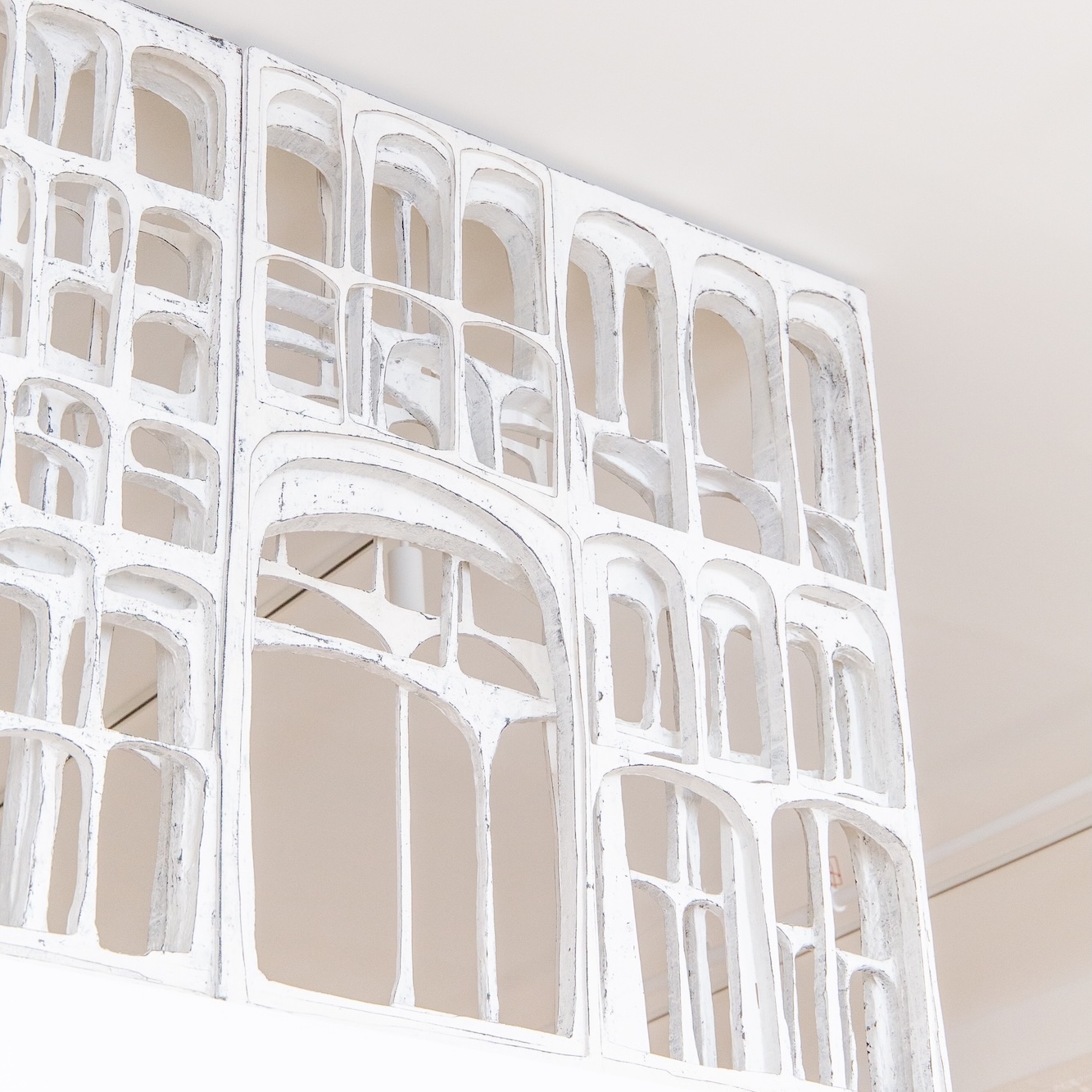
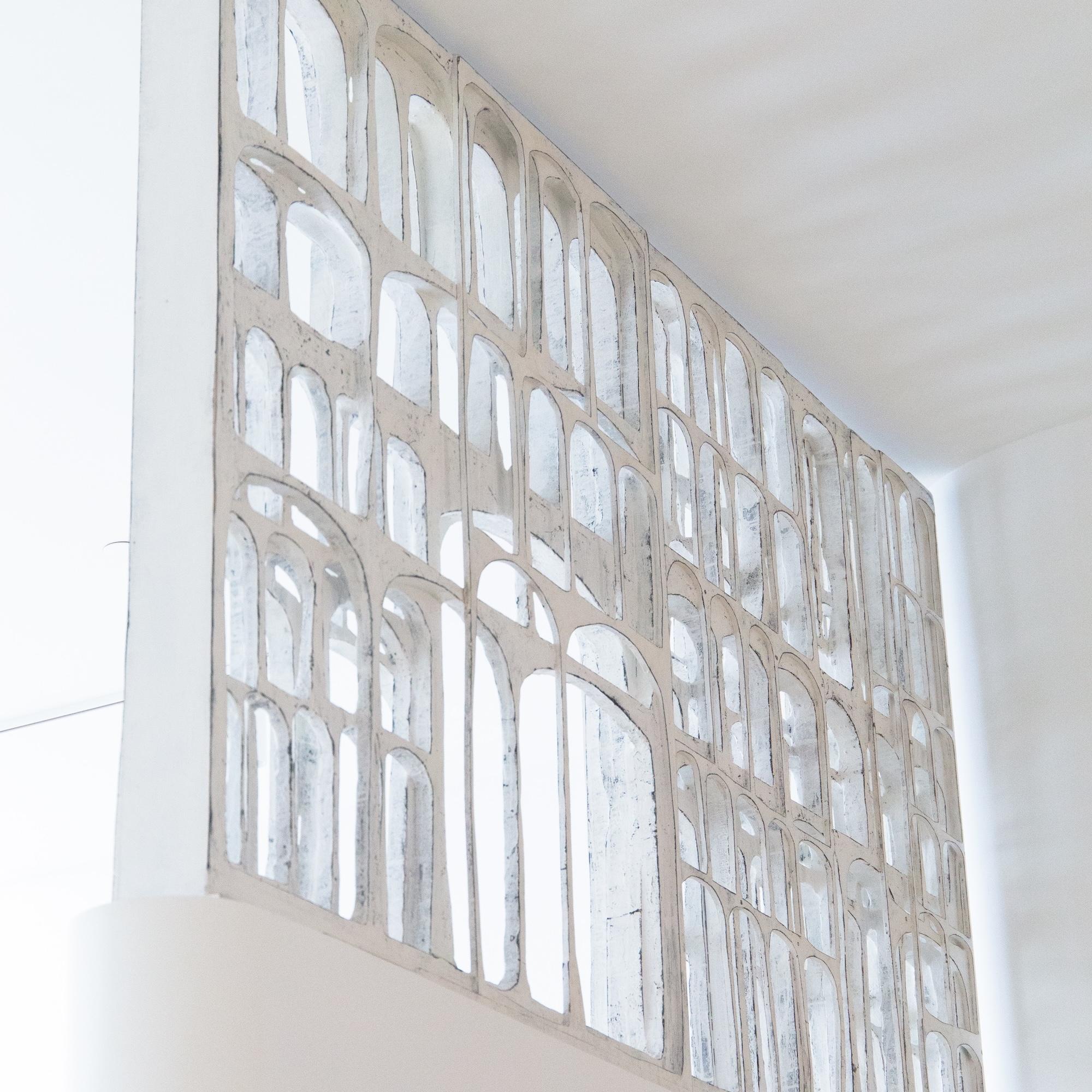
Above, a wall composition by Gerd Kanz plays with light and matter. This network of openwork forms, somewhere between structure and sculpture, filters the space and casts shifting shadows, giving the whole a presence that is both architectural and poetic.
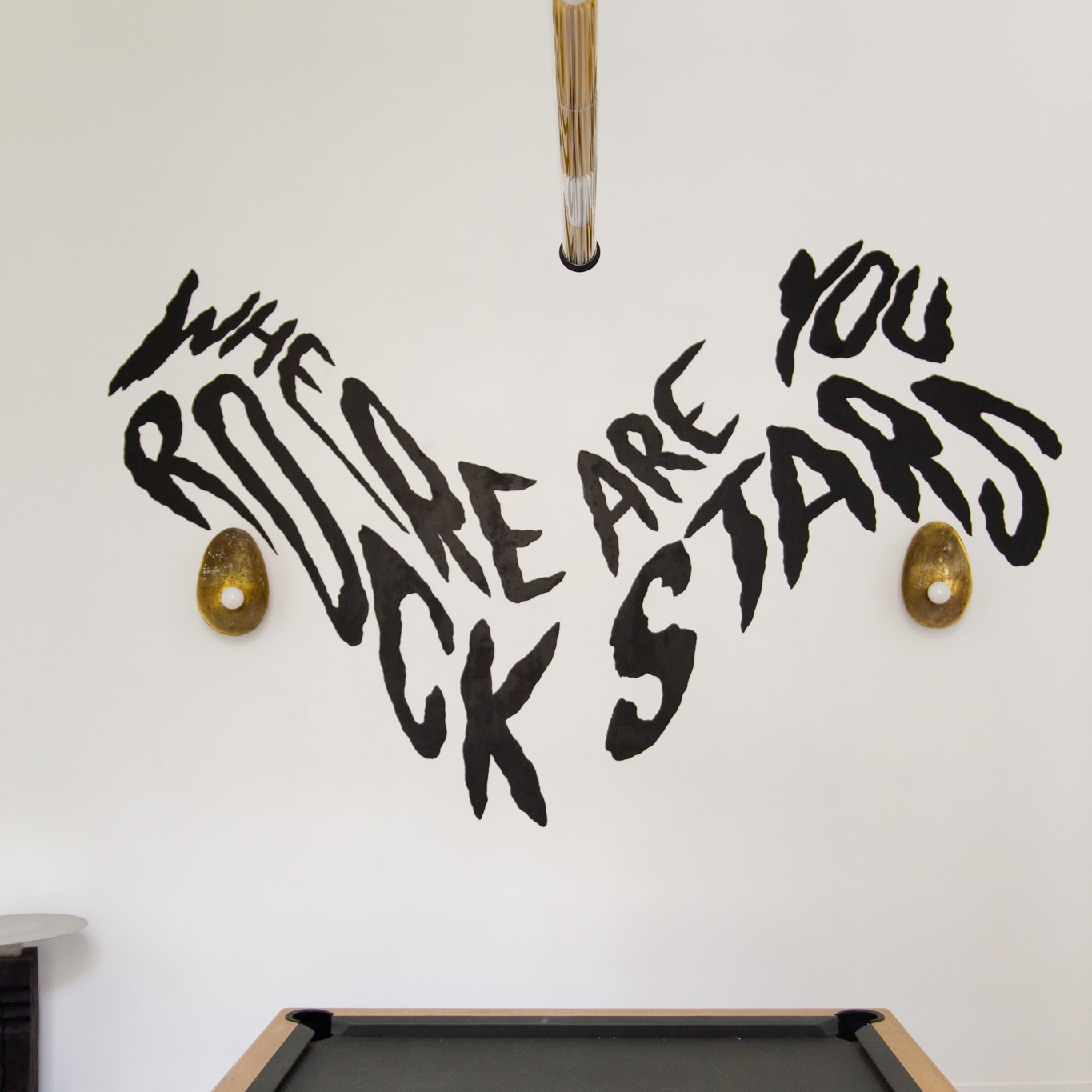
Léo Dorfner
For this in situ intervention, Léo Dorfner creates a large-scale mural inscription, unfolding as a raw and instinctive calligraphic gesture.