Ludovic Carème developed a passion for photography in high school, reading the photo reports in Libération while traveling on the R.E.R in the early 1980s. He studied photography at ETPA in Toulouse and published his first photos in Libération in 1993.
In 1995, following an idea by Jean Hatzfeld, he created portraits of refugee couples who had escaped the horrors of Srebrenica. This first experience instilled in him an urgent desire to bear witness to injustice and human fragility through his Rolleiflex and Hasselblad 6x6 cameras. His sensitive style, both contemporary and rooted in the tradition of portraiture, became recognized in the culture and society sections of French and international press (Libération, Télérama, Le Monde, Nova, Elle, L’Équipe Magazine, The New York Times, The Guardian, La Repubblica delle Donne, and more). He captured portraits of Malian undocumented workers on hunger strike at Saint-Bernard Church, actions by Act-Up, and Haitian “slaves” on sugarcane plantations in the Dominican Republic. His lens highlighted the drama of the celebrated and the dignity of the oppressed, opening doors to record labels and festivals.
In 2007, Ludovic Carème moved to São Paulo, Brazil, as a correspondent for major French press outlets and focused on long-term projects. He explored a favela slated for demolition due to real estate speculation, documenting the precarious daily lives of its residents over more than two years. This work, named after the favela “Água Branca,” led him to investigate further the divide between the white upper class with empty apartment buildings and the less fortunate, whose homes are limited to tarps or blankets forming sad “cocoons” discarded on the asphalt of São Paulo’s historic center.
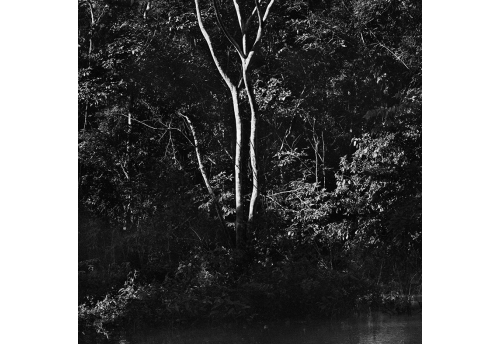
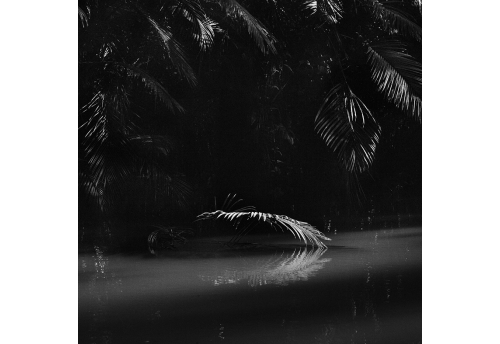
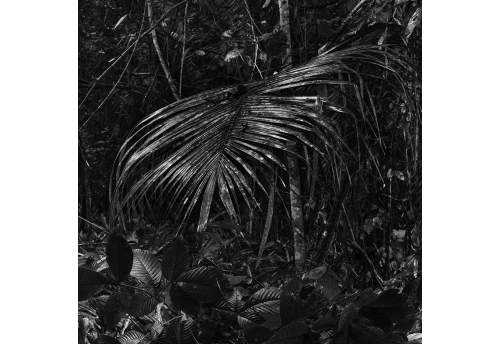
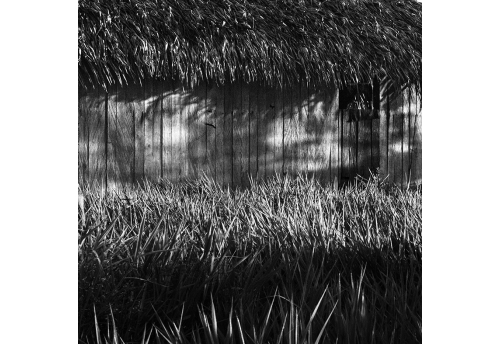
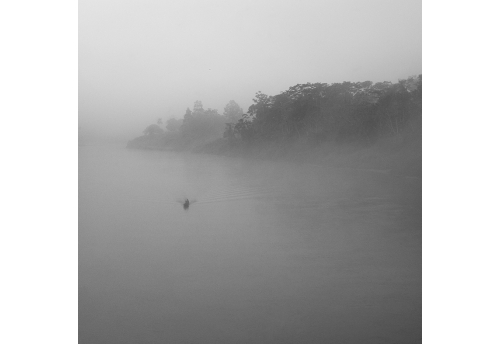
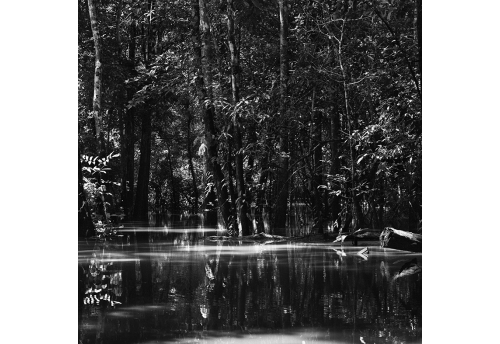
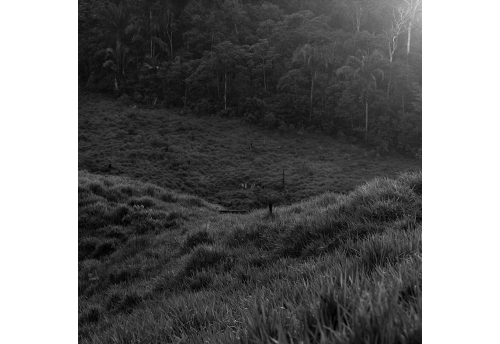
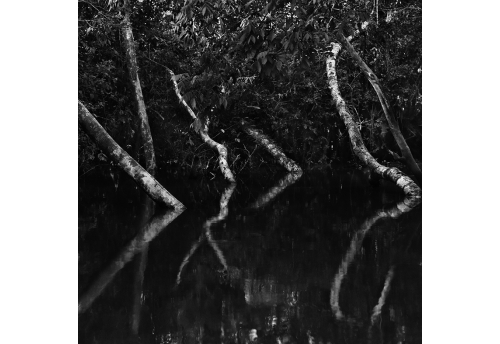
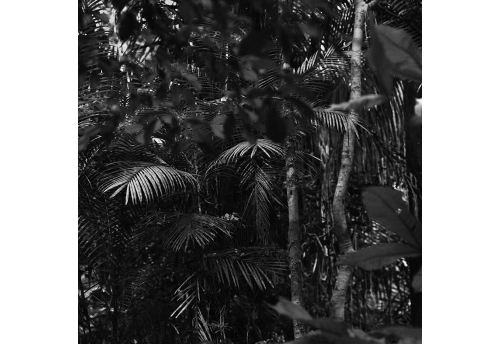
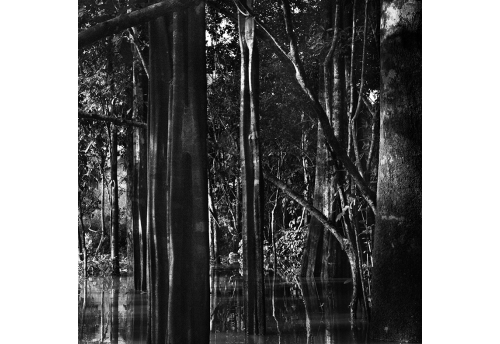
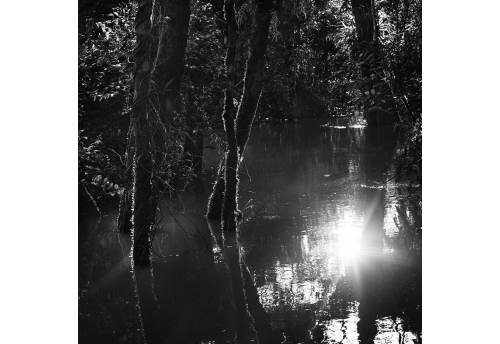
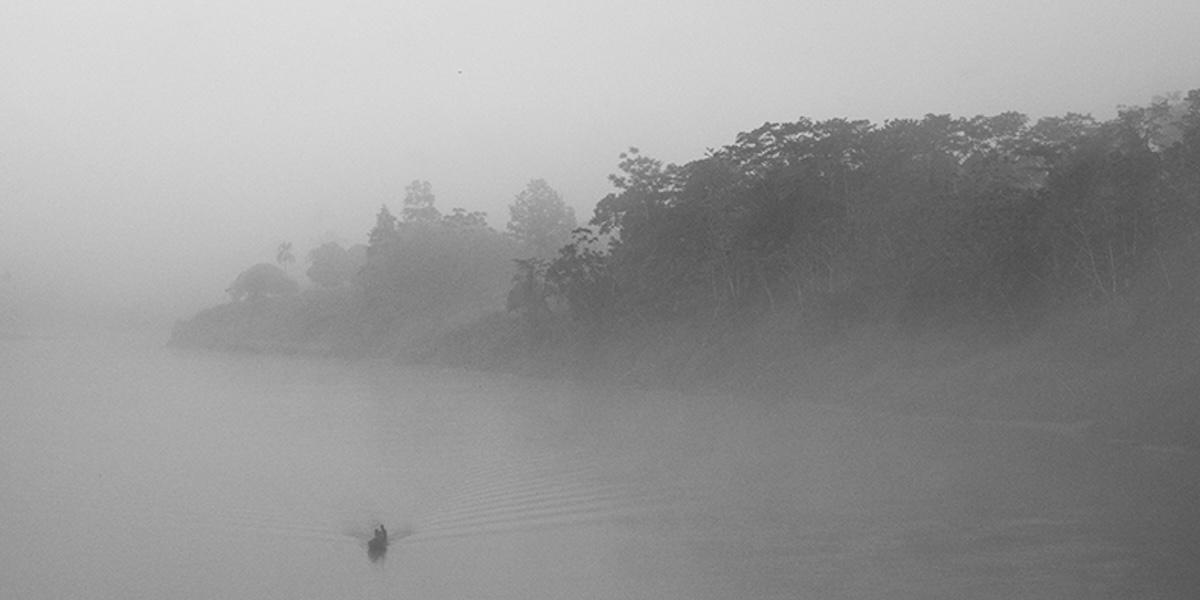
The photographer then traveled along the Amazon to the state of Acre to meet the Seringueiros, rubber tappers descended from impoverished peasants from the Northeast, sent by authorities during World War II to revive production. Many intermarried with indigenous groups such as the Kaxinawa, Asháninka, Jaminawa, and Yawanawa, and were also exploited and decimated. Today, some tribes still live in harmony with the forest, increasingly encroached upon by the descendants of rubber tappers and manipulated by the power of the agro-industrial complex.
Two books were published by Xavier Barral Editions: Brésils Amazonie and Brésils São Paulo, confronting humanity with both nature and urban drought. This body of work was exhibited in 2019 at La Friche la Belle de Mai in Marseille and in 2023 at MAR in Rio de Janeiro. In 2022, he was awarded the BNF / La Grande Commande Photographique for his project titled Les Cadis de Mayotte. Ludovic Carème is represented by the agency Vu. Since 2019, he has lived and worked primarily in France.