



Robert Rauschenberg
This autumn, the Guggenheim celebrates Robert Rauschenberg with “Life Can’t Be Stopped”, an exhibition that explores the work of an artist who never ceased to blur the boundaries between painting, sculpture, performance, and the everyday.
Each room becomes a laboratory of surprises, where materials mix, overlap, and come to life, a reminder that art is always in motion.
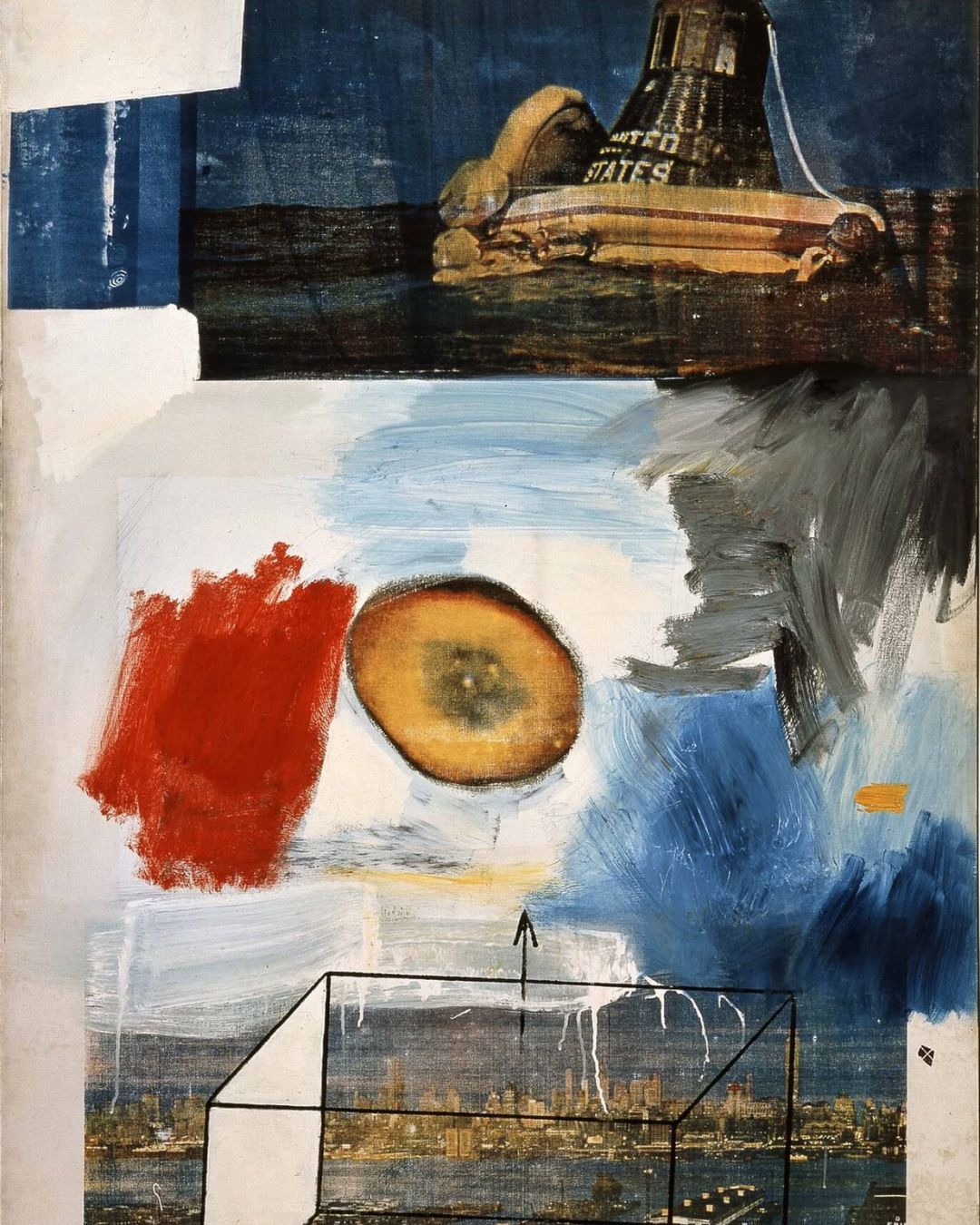
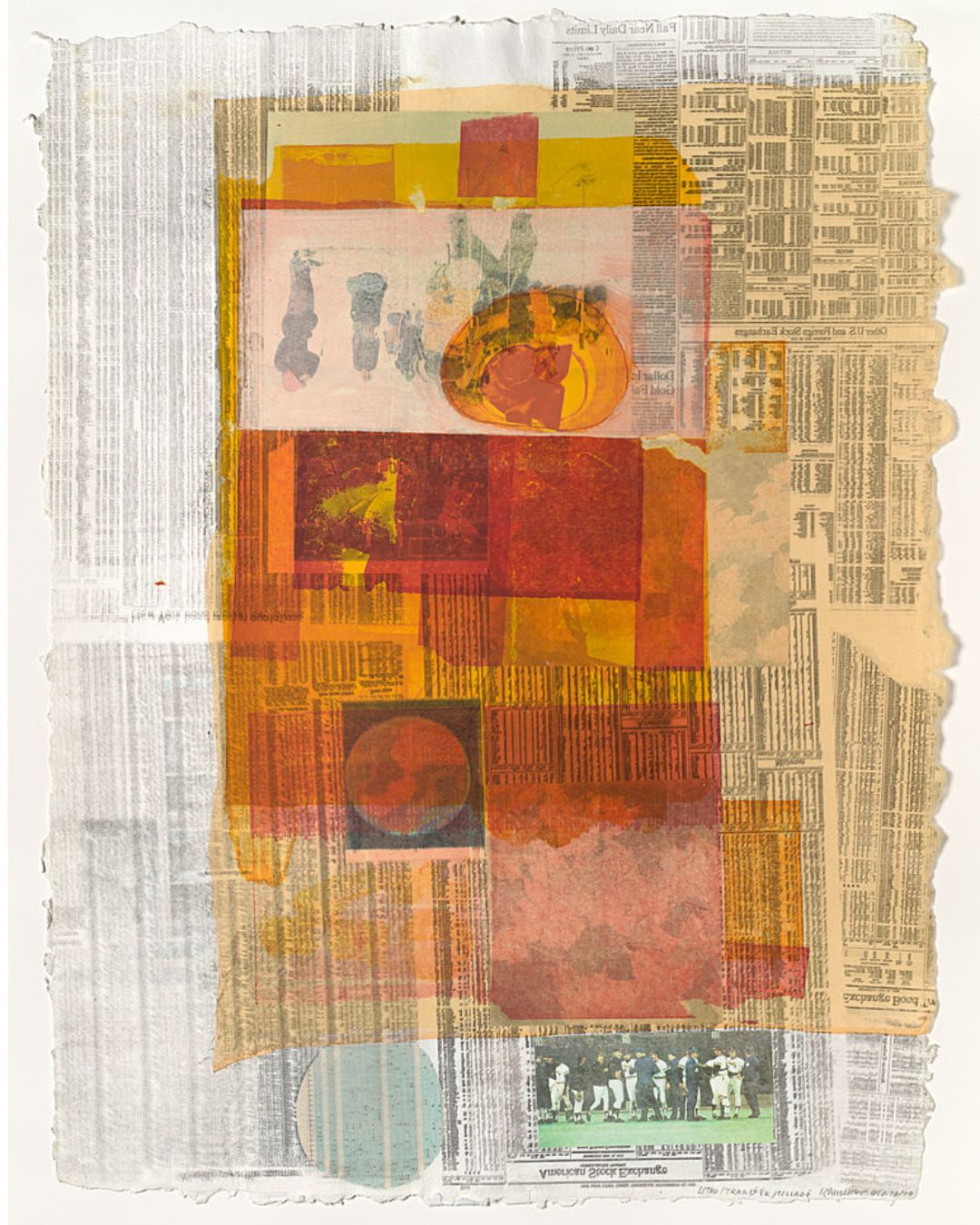
The exhibition unfolds along the Guggenheim’s spiral, turning the viewer into an explorer at every level. The works seem to float, call out to one another, creating visual and sonic echoes. Paper, metal, fabric, and everyday objects become a language.
One is caught off guard by an old bicycle wheel or a scrap of hanging cloth, as though the artist’s gesture revealed the poetry hidden within the simplest objects.
Rauschenberg is not merely trying to represent the world, he is reinventing it. His work embodies the tension between chaos and control, chance and intention. Each piece tells a story that is both intimate and collective, a space where the viewer can pause, contemplate, lose themselves in the details, and then walk away with a sense of movement and freedom.Rauschenberg is not merely trying to represent the world, he is reinventing it.
His work embodies the tension between chaos and control, chance and intention. Each piece tells a story that is both intimate and collective, a space where the viewer can pause, contemplate, lose themselves in the details, and then walk away with a sense of movement and freedom.
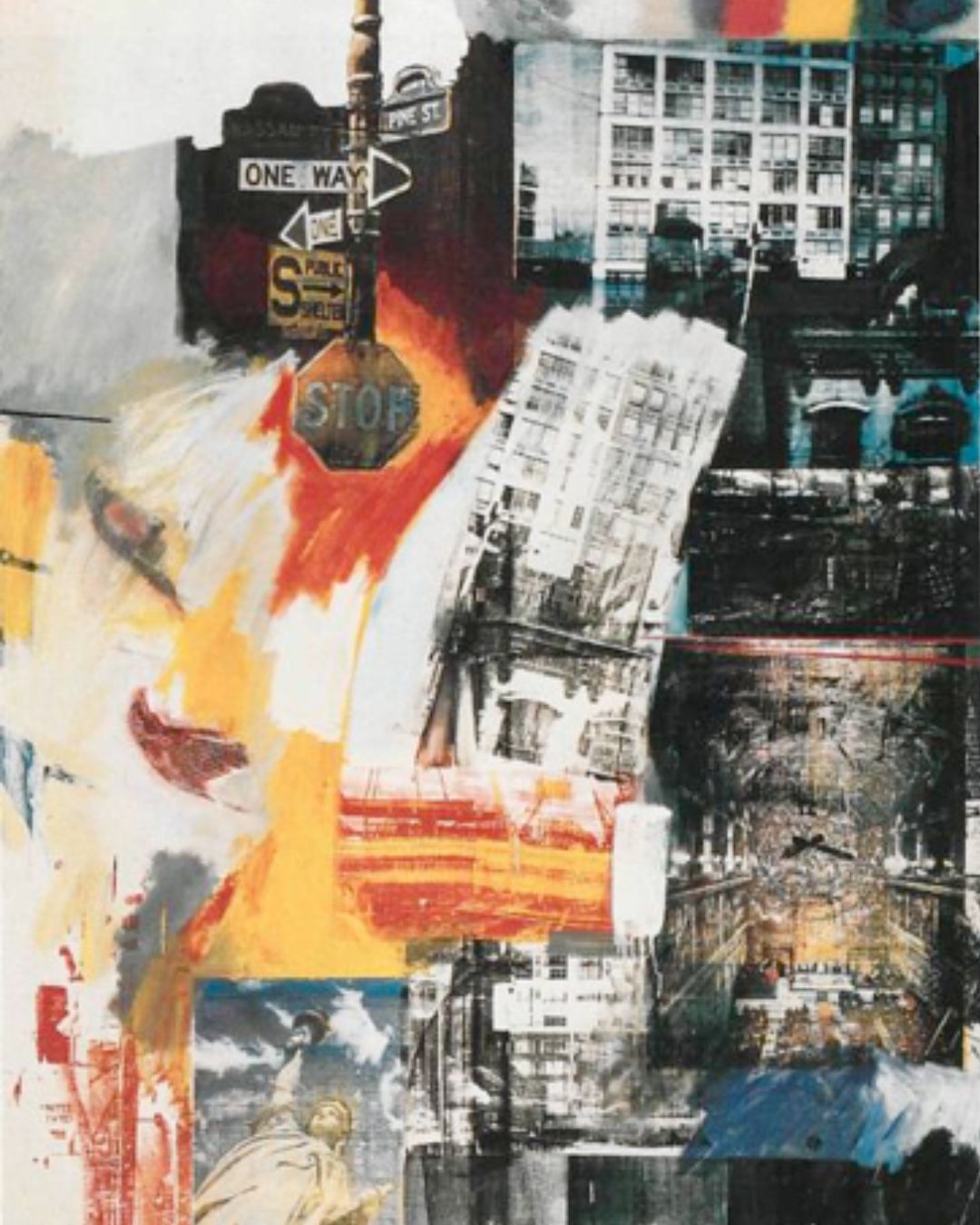
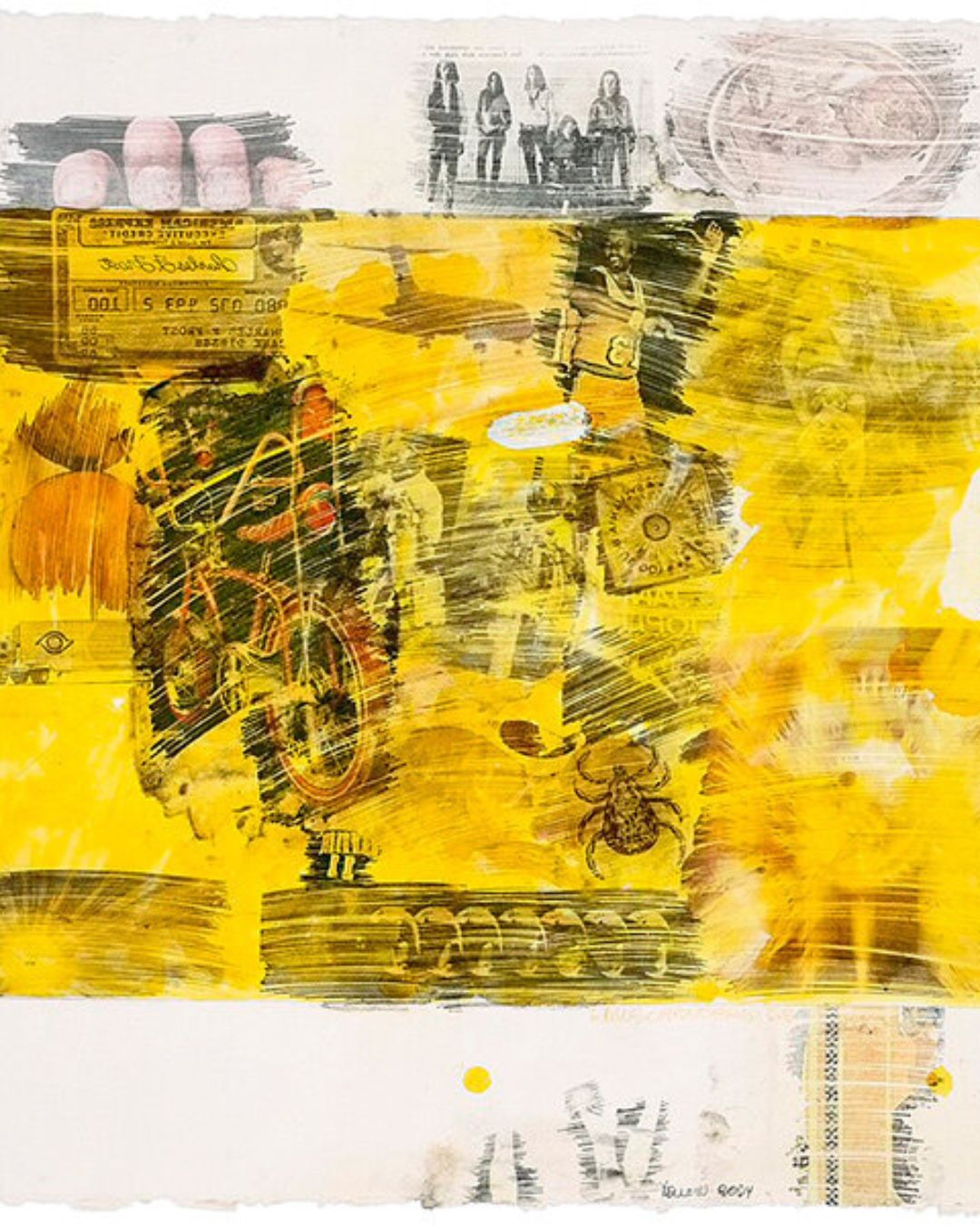
As you leave, the Guggenheim feels transformed and with it, your perception of the outside world.
The streets of New York, the façades, the traffic, the passers-by, everything seems imbued with the same energy: that of an art that refuses stillness, that looks at the everyday with curiosity, and that reminds us, as the title of the exhibition proclaims, that life can’t be stopped.