



Sixties Surreal
This fall, the Whitney Museum dives into the 1960s but far from the colorful clichés of Pop.
With Sixties Surreal, the exhibition reveals another America, more introspective and more unsettled: one where dream, the unconscious, and metamorphosis find their way into artistic forms.
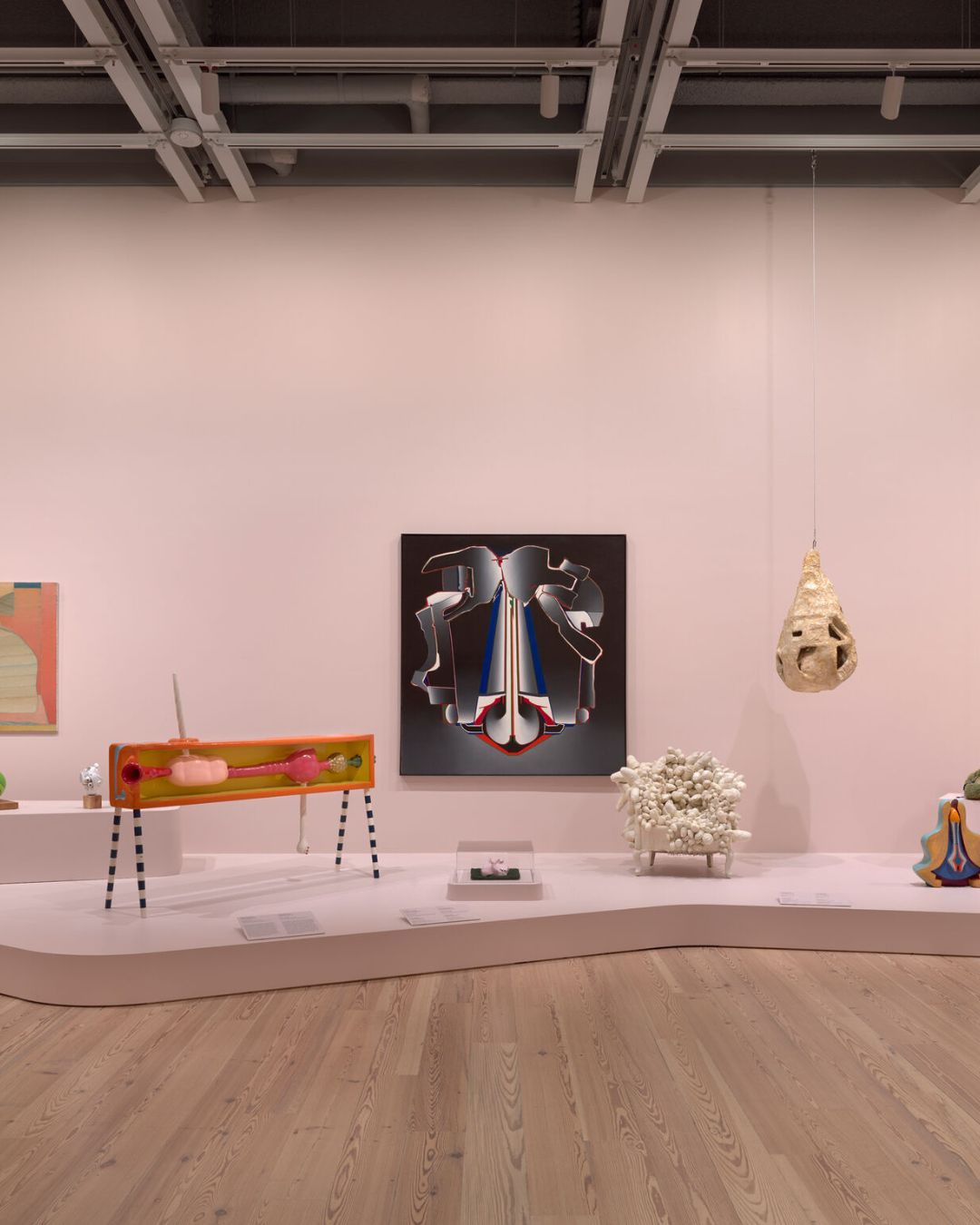

From 1958 to 1972, more than a hundred artists; Diane Arbus, Yayoi Kusama, Louise Bourgeois, Romare Bearden, Lee Bontecou, Nancy Grossman, and many others explored the zones where reality falters.
Their works oscillate between desire and vertigo, between body and machine, between rebellion and poetry.
The exhibition unfolds like a parade of visions. Monumental sculptures, hallucinatory collages, fragmented portraits: each room becomes a threshold into an expanding imaginary realm.
The light shifts, the walls seem to breathe, the space becomes fluid. Here, art no longer describes the world it dreams it, disrupts it, reinvents it.
Between Surrealism and social transformation, the exhibition captures the tension of an era: one of intimate and collective revolutions, emerging freedoms, and identities breaking open.
Before a Linda Lomahaftewa portrait, abstraction turns into memory; in front of Mel Casas’s installations, irony becomes a manifesto.
Each work, in its own way, questions reality as one questions a dream from which one is not yet ready to awaken.
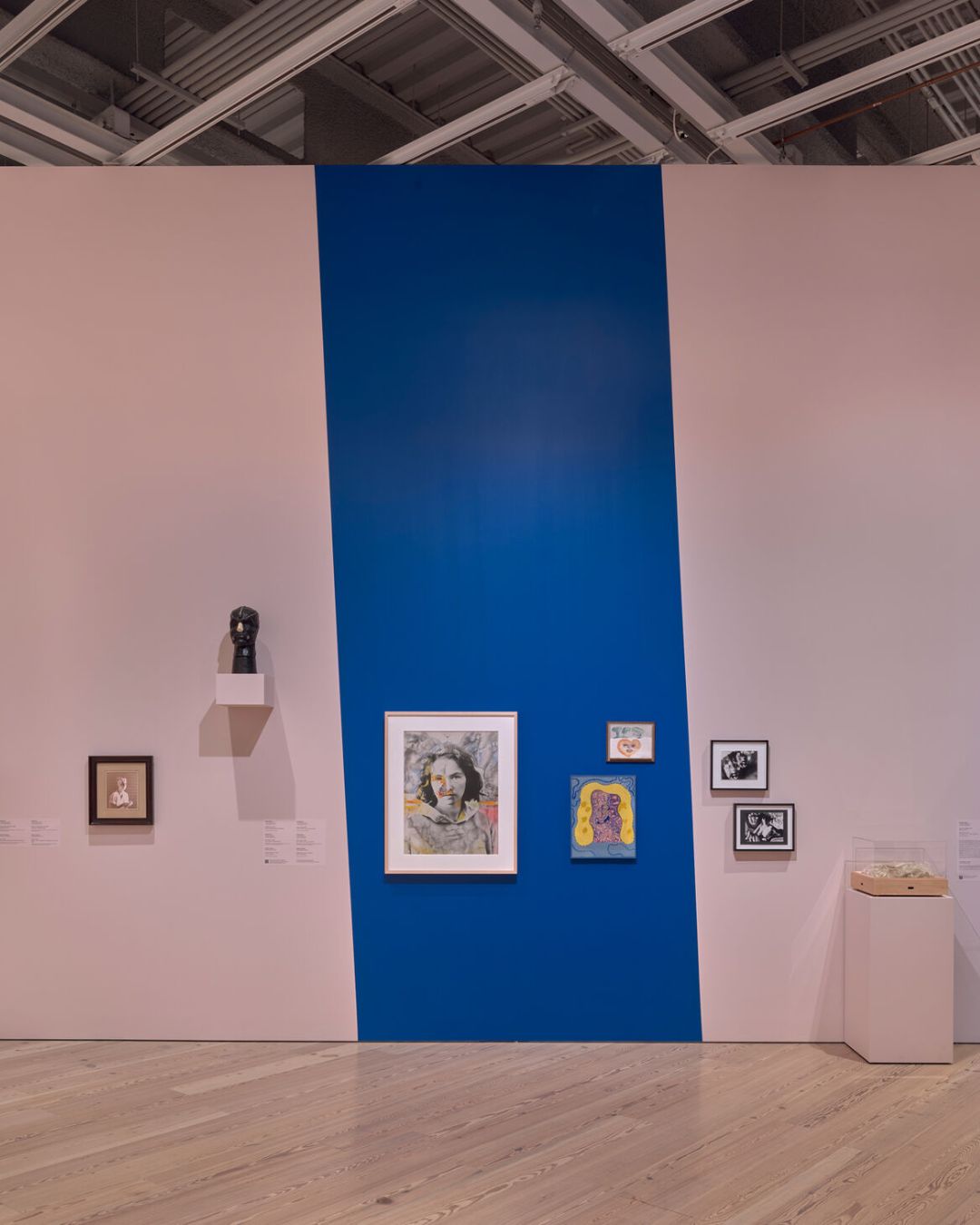
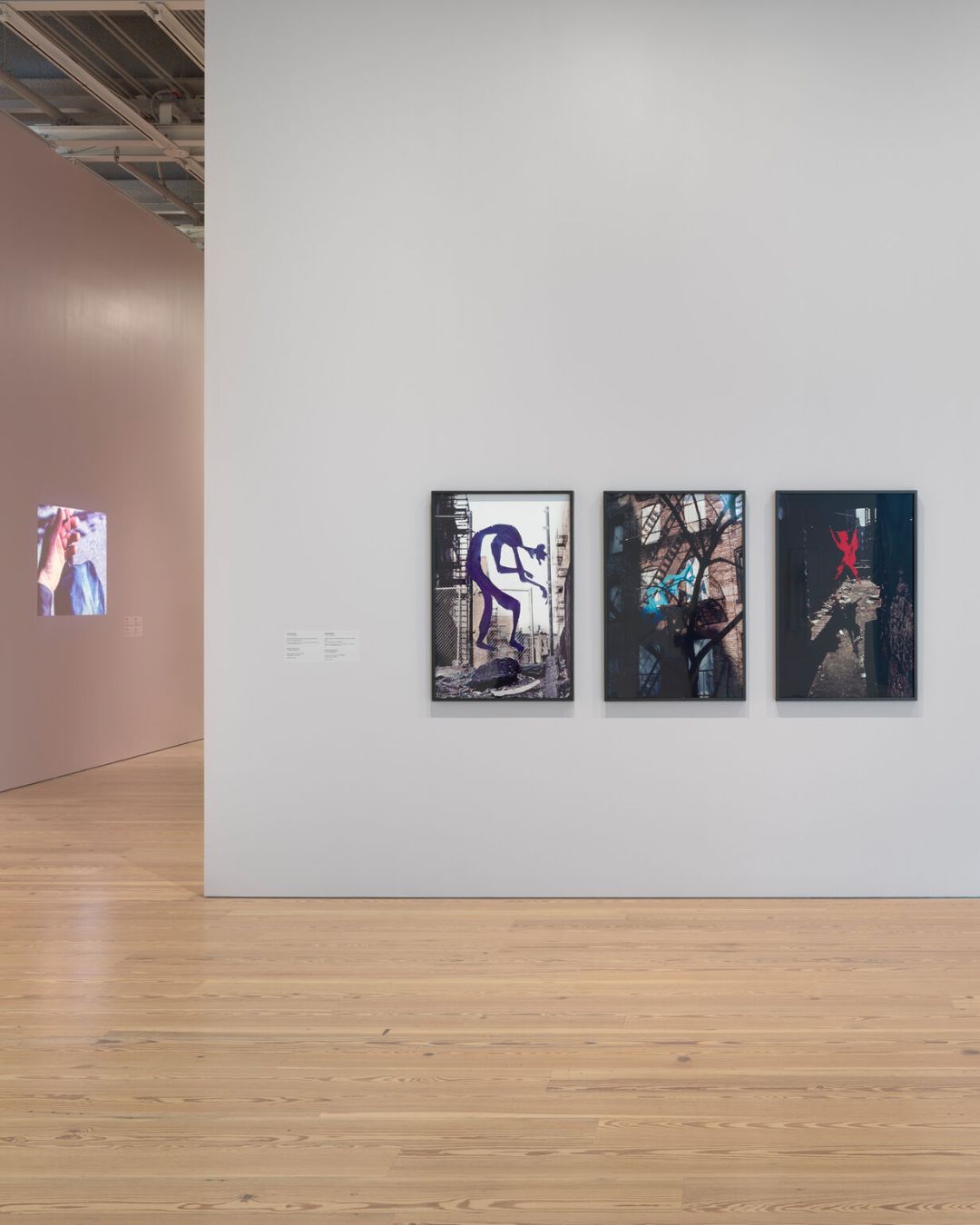
You leave the Whitney as if after a slight dizziness. The city seems changed—stranger, more vibrant, as though crossed by a collective memory.
Sixties Surreal awakens a decade in chiaroscuro, when art was not content to mirror the world but was already seeking to open it.