



Georges de La Tour - Silence and Light
The exhibition devoted to Georges de La Tour at the Jacquemart-André Museum is an experience of pure contemplation a face-to-face encounter with silence and light. Within the majestic setting of this private mansion, the genius of the “painter of the night” finds a setting equal to his art, where the dimly lit galleries heighten the dramatic chiaroscuro that made his reputation.
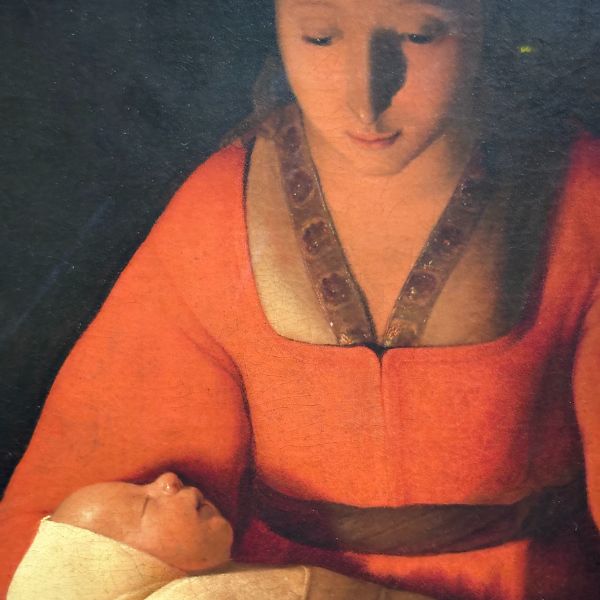

Georges de La Tour is one of the most fascinating figures in the history of French art. Forgotten for more than two centuries and rediscovered in the early twentieth century, he embodies a singular form of classicism, influenced by Caravaggio yet driven by a more inward, stripped-down spirituality. The exhibition traces his evolution, from early “daytime” scenes surgically precise depictions of human misery and old age to his celebrated “night scenes.”
The heart of the exhibition lies in this dialogue between shadow and candlelight. Standing before masterpieces such as The Apparition of the Angel to Saint Joseph or the various versions of The Penitent Magdalene, one is struck by the radical nature of his compositions. Light does not merely illuminate faces; it sculpts forms, simplifies volumes almost to abstraction, and suspends time itself. Each canvas seems to capture a moment of absolute truth a silent meditation that invites the viewer to slow down.
What makes this retrospective so powerful is its unique blend of popular realism and mystical devotion. De La Tour paints saints in the guise of Lorraine peasants, with calloused hands and faces marked by labor, yet bathes them in an atmosphere of supernatural calm. Deep reds, earthy browns, and the softness of youthful faces create an immediate, almost physical emotional response.
This is a rare exhibition, as La Tour’s works are few only around forty are considered securely attributed worldwide. The Jacquemart-André Museum achieves a remarkable feat in bringing together such a coherent ensemble, reminding us that long before modernity, one painter had already understood that emptiness and silence are the most powerful tools of storytelling.
