


Matisse at the Grand Palais: Eternal Dazzlement
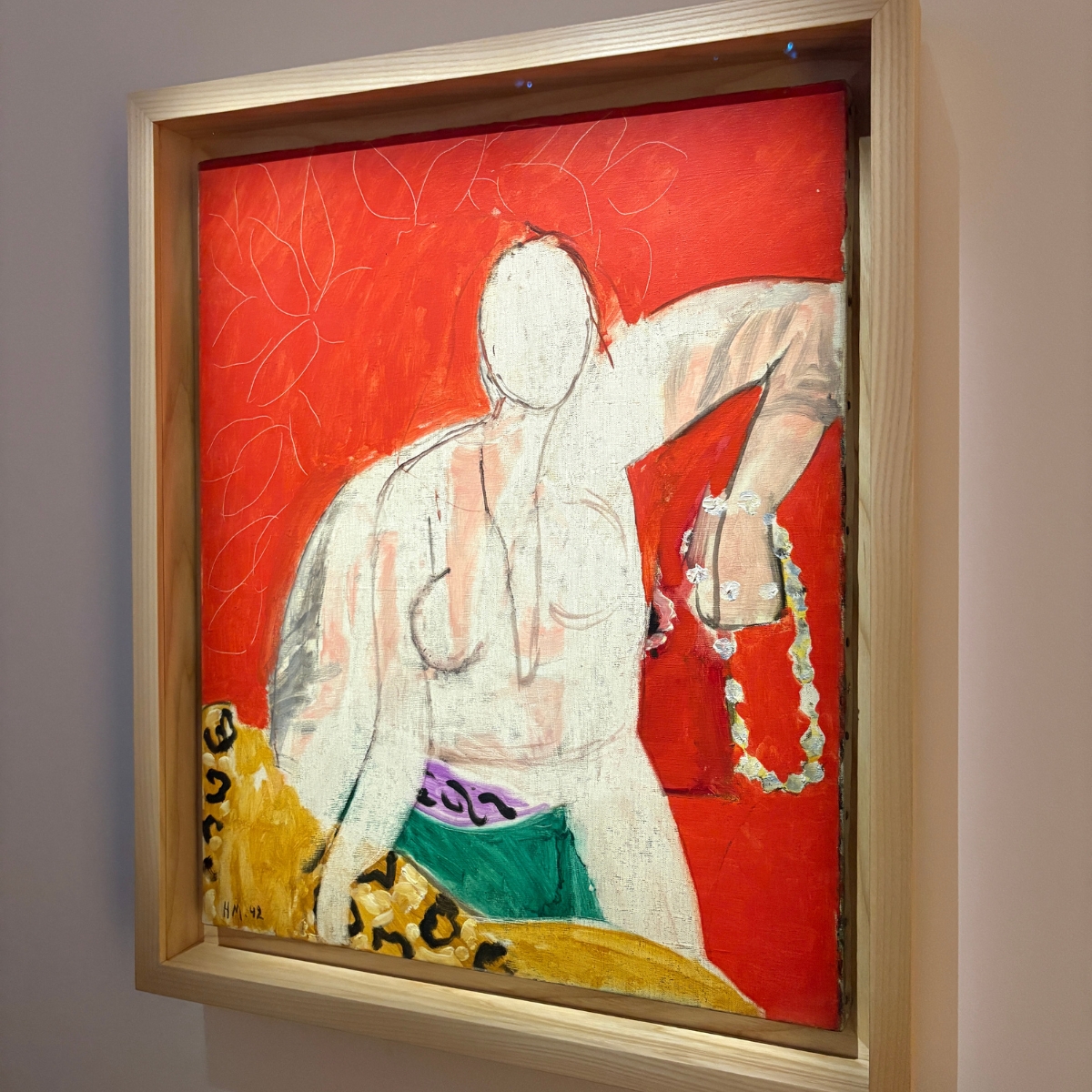
The Grand Palais could not have dreamed of a better host than Henri Matisse to usher in the spring. And yet, one might be tempted to feel blasé: after all, Matisse’s lines, his deep blues, and his iconic silhouettes are everywhere from international museums to the posters in our living rooms. We think we know the master of Fauvism by heart, as if every arabesque and every plane of color had already been deciphered.
That is precisely where the magic of this new exhibition lies: the rediscovery is complete. From the very first rooms, one is struck by the undiminished freshness of a body of work that refuses to age. The beauty of Matisse does not lie in nostalgia, but in a pure energy, a quest for simplification that feels more modern than ever. One moves through his life as through a sunlit garden, where each canvas opens like a window onto joy.
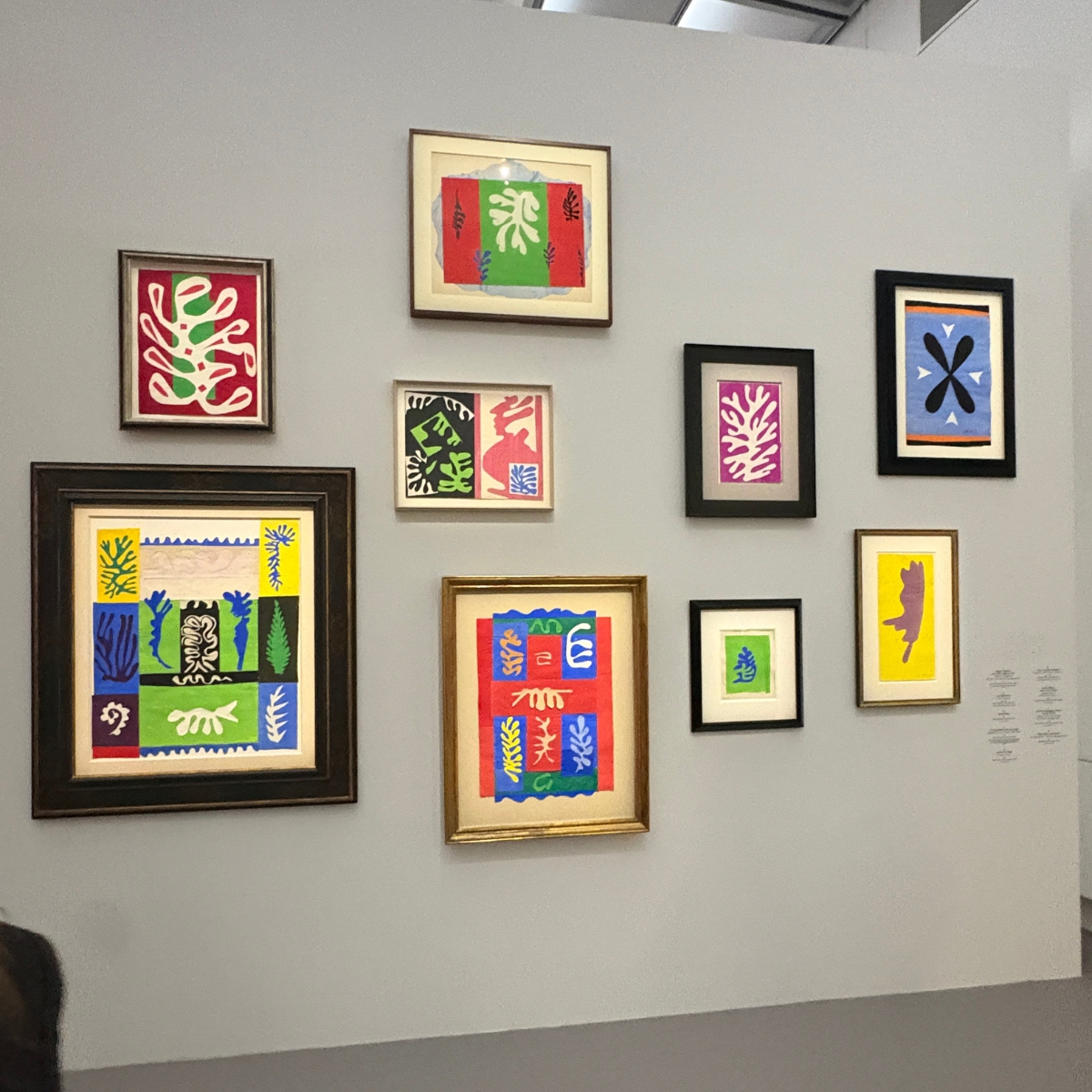
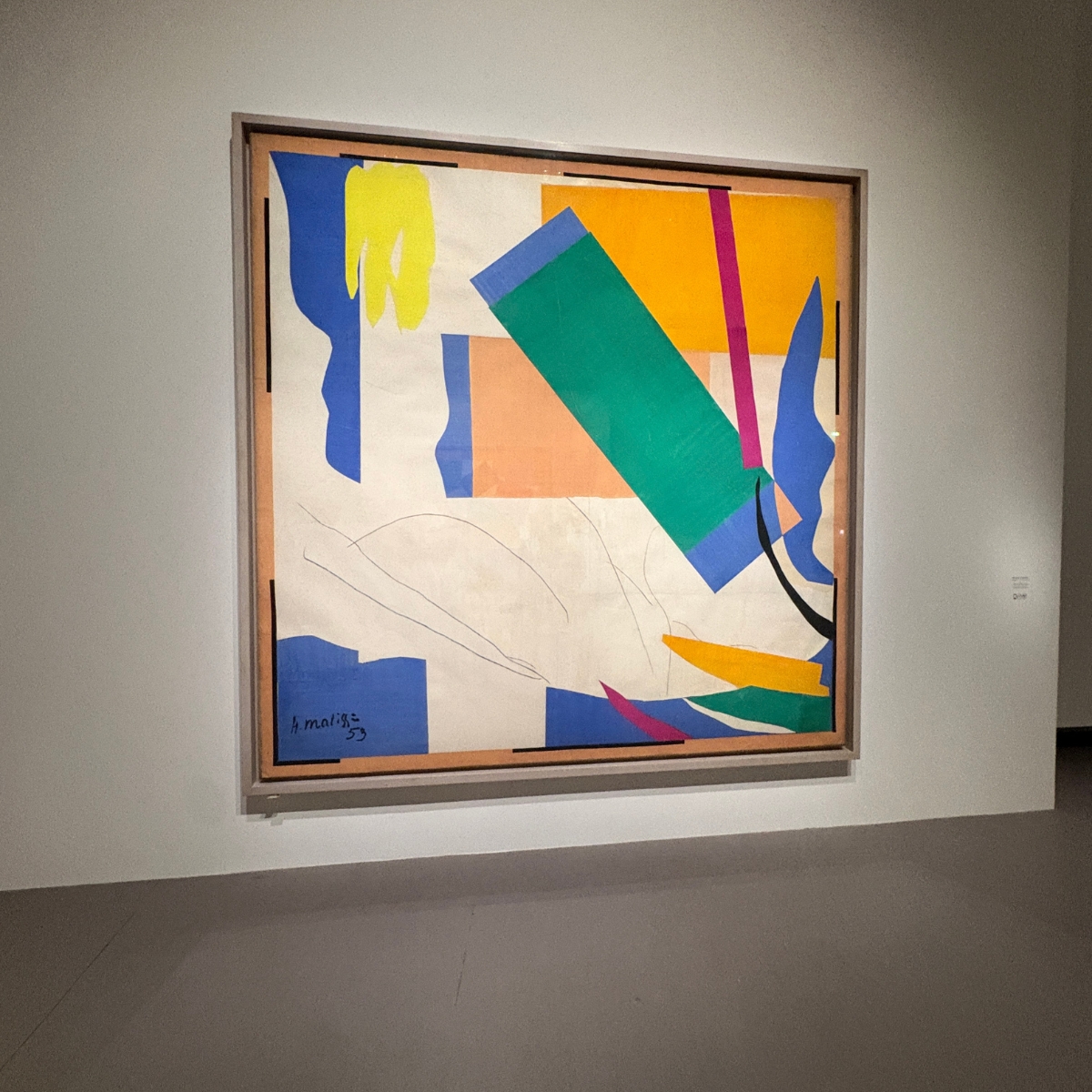
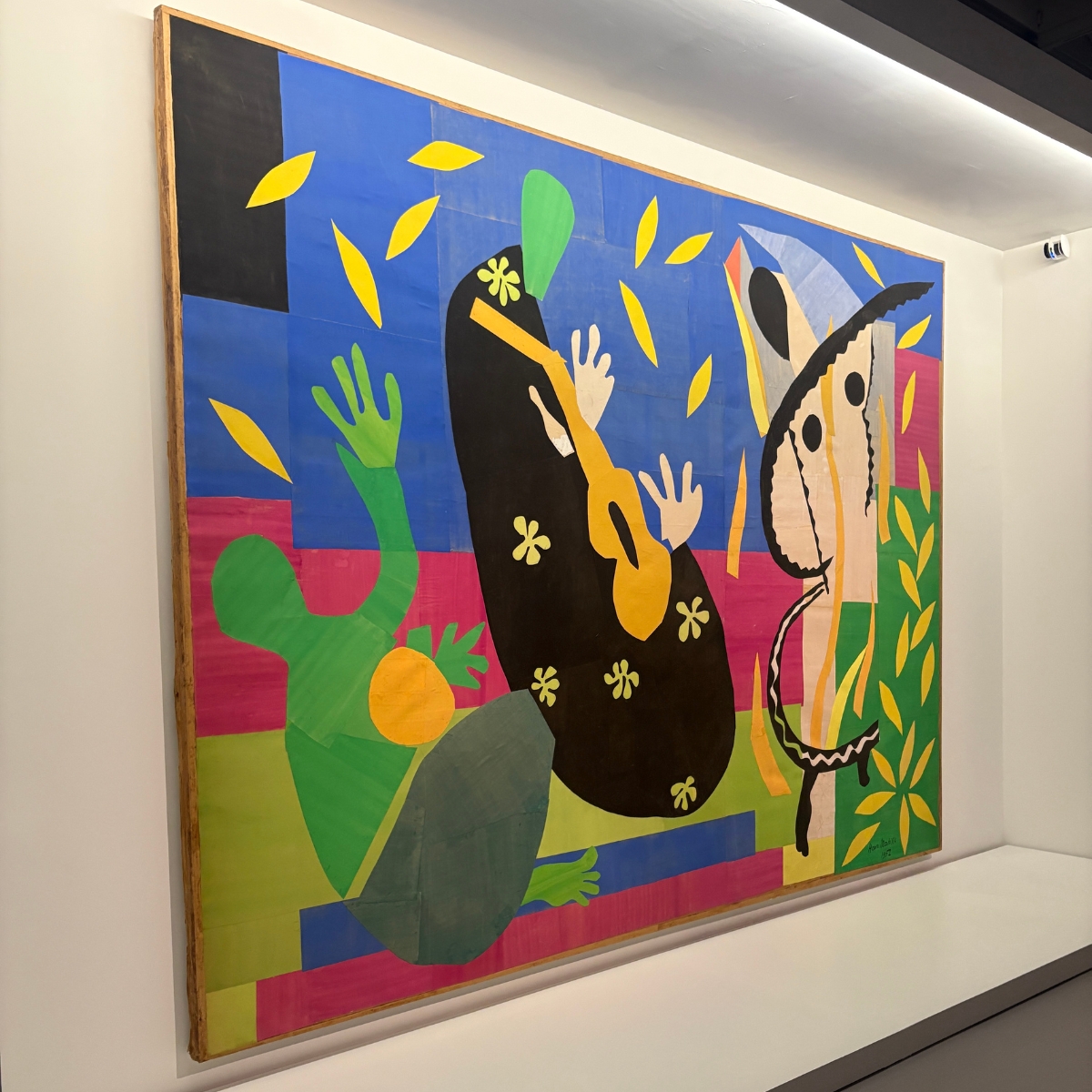
But the true treasure of the exhibition gradually reveals itself as one moves toward the end. It is here that the show reaches its emotional peak. We encounter the great collages, those famous cut-outs (“gouaches découpées”) created at the end of his life. As his body failed him, Matisse had never been so free. With nothing more than a pair of scissors, he was “drawing with color,” erasing the boundary between line and pigment. The monumental formats presented here are breathtaking. One feels almost dwarfed before these vast compositions, where organic forms seem to dance across the walls.
A chromatic explosion awaits in the final gallery. These works, disarmingly simple, radiate a power that oil painting does not always achieve. One leaves the Grand Palais with an extraordinary sense of lightness, convinced that even if we thought we knew Matisse, we had never truly seen him so closely. A visual shock, a remedy for melancholy, and above all, a profound moment of poetry.