



La Balade d'Amelie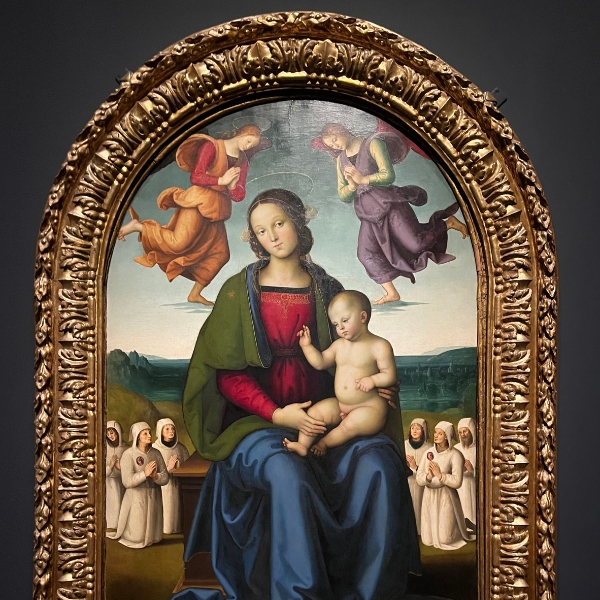
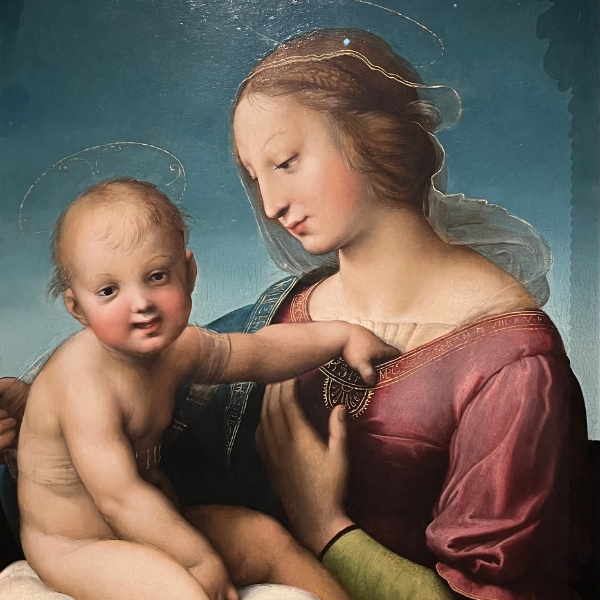
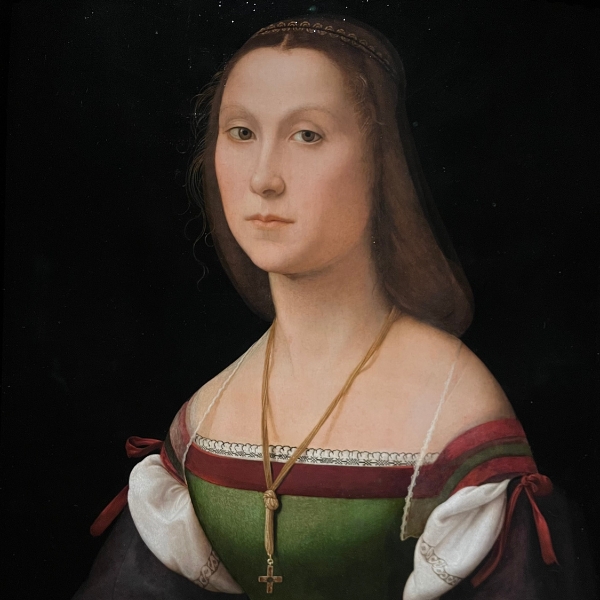
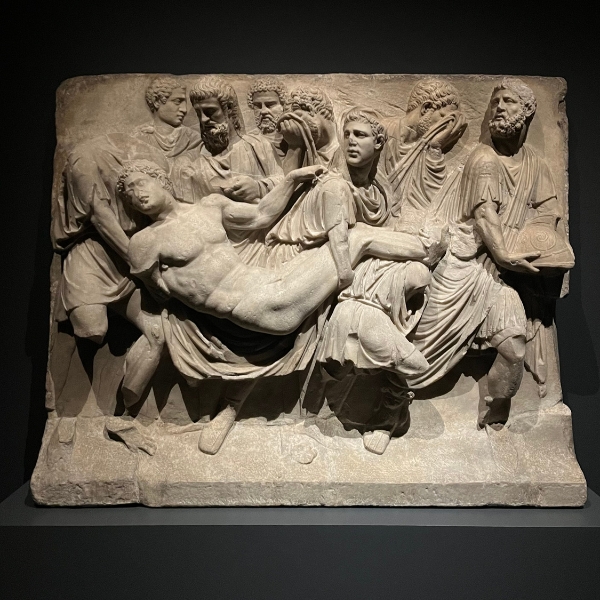
Raphael: Sublime Poetry
Raphael (1483–1520) is often reduced to beauty and perfection, but this exhibition demonstrates why his impact on art history was far more decisive. He established a new standard for painting, one defined by clarity, control, and a remarkable sense of visual balance.
The exhibition traces his journey from Urbino, where he received his early training, to Florence, around 1504, where he encountered the works of Leonardo da Vinci and Michelangelo. There, he refined his technique, absorbing the innovations of his contemporaries while developing a compositional clarity uniquely his own. By 1508, he was summoned to Rome by Pope Julius II, joining a competitive circle of artists charged with decorating the Vatican. In less than a decade, Raphael became the papal court's principal painter, producing works that set the standard for High Renaissance art, before his untimely death at thirty-seven.
Raphael's genius lay in his ability to assimilate influences and transform them into works of extraordinary harmony and precision. Drawing from Perugino, Leonardo, and Michelangelo, he created paintings in which every figure, gesture, and spatial relationship appears deliberately placed, resulting in images that feel both complete and immediate.
His historical importance lies in the way he made painting intelligible without oversimplifying it. He organized compositions so that beauty, emotion, and structure coexist naturally, and his works assert themselves without the need for deciphering.
The title Sublime Poetry is especially fitting. Raised in a courtly environment where painting and poetry intersected, Raphael approached image-making with attention to rhythm, harmony, and construction. His works are elegant, carefully paced, and controlled.
Through drawing, workshop production, and circulation, Raphael developed a visual language that extended far beyond his own hand, influencing generations of artists.